The 5-Day January Affordable Kenya Safari Package provides a concise and high-value wildlife tour for Australian travellers. This itinerary focuses on Amboseli and Lake Nakuru National Parks, starting and finishing in Nairobi.
The package is designed for couples or small families with limited annual leave. It offers an efficient way to experience two of Kenya's distinct ecosystems without a large time or budget commitment.
January for This Kenya Safari
January is a strategic time for a Kenya safari because it falls within the short dry season. This shoulder-season period follows the Christmas peak, offering warm, dry weather suitable for game drives.
For Australian travellers, this timing often aligns with the end of summer school holidays or early-year annual leave. The advantage is shoulder-season pricing on some trip elements and fewer visitors in the parks compared to the July to October high season.
The combination of favourable weather, good game viewing, and better value makes January a practical choice for a high-quality safari from Australia.
January Weather and Kilimanjaro Views
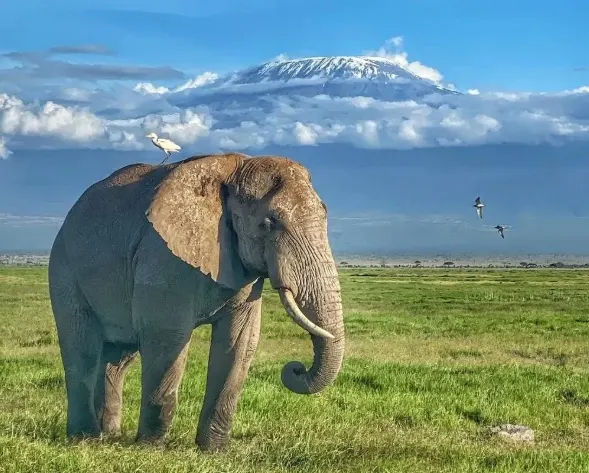
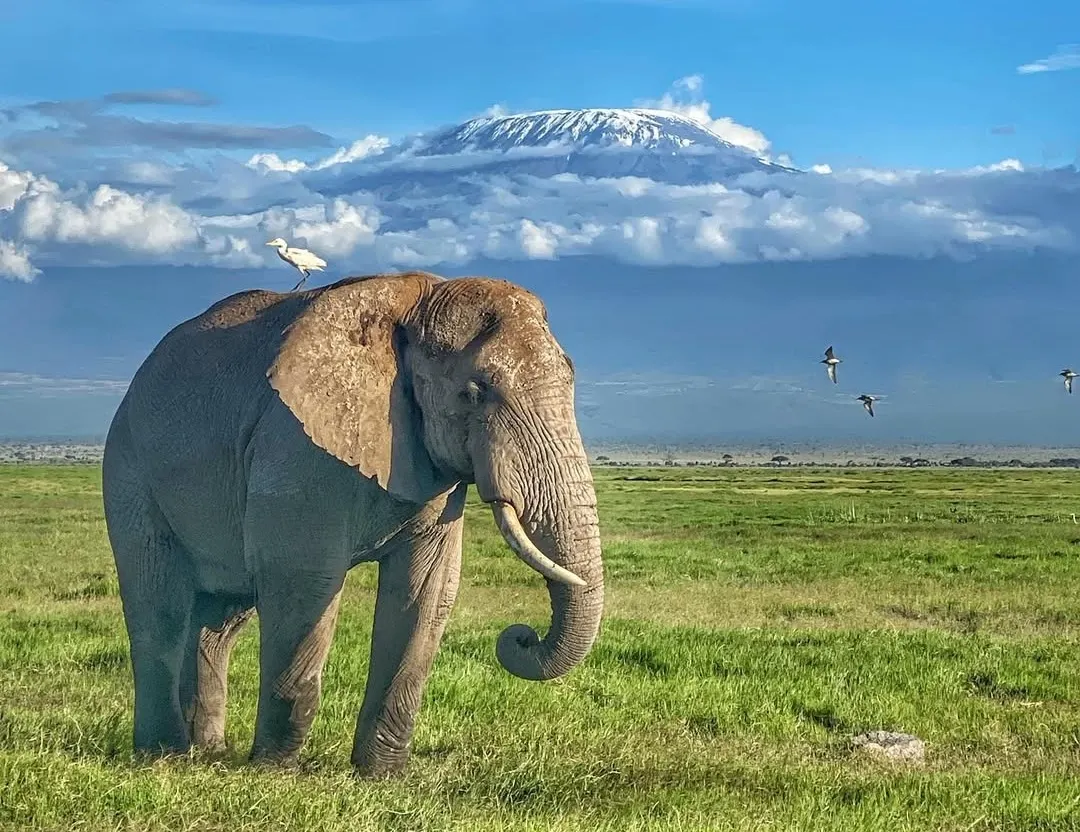
January's atmospheric conditions in Amboseli National Park improve the chances of clear views of Mount Kilimanjaro. The air after the short rains is typically less hazy, providing an unobstructed backdrop for wildlife photography.
Clear skies are most common during the early morning and late afternoon hours. This timing presents a significant photographic advantage for capturing images of the mountain's snow-capped peak.
Wildlife to Expect in Amboseli and Lake Nakuru
This 5-day safari package covers two different ecosystems: the dry plains of Amboseli and the soda lake environment of Lake Nakuru.
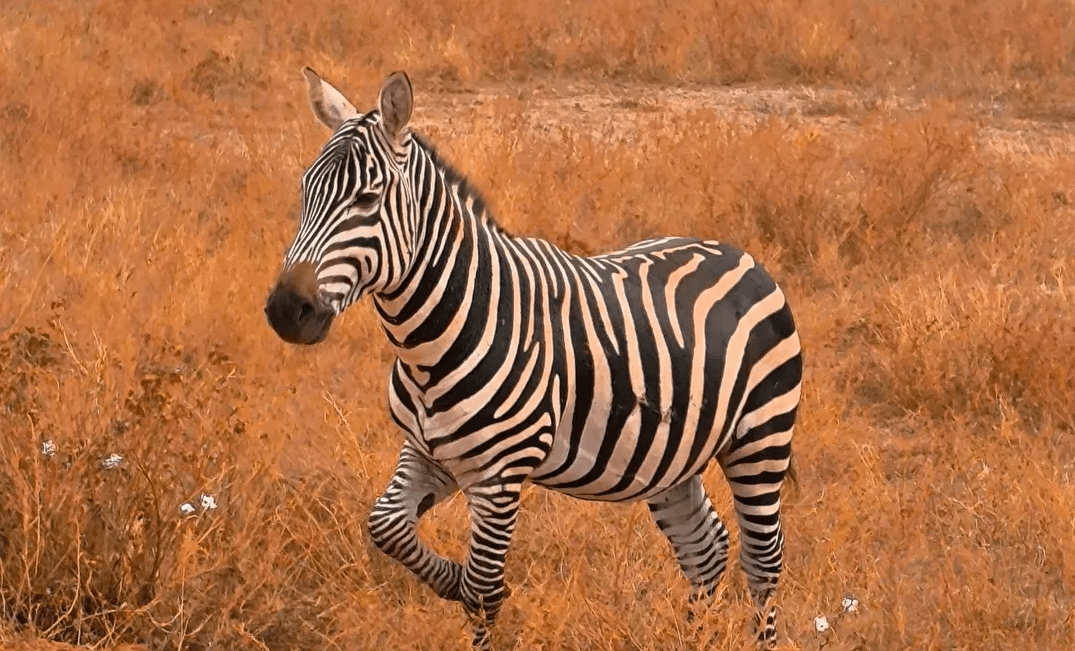
Amboseli is known for its large elephant herds, which are drawn to the permanent swamps fed by underground springs from Mount Kilimanjaro. The park's open plains provide excellent conditions for viewing wildebeest, zebra, giraffe, and predators.
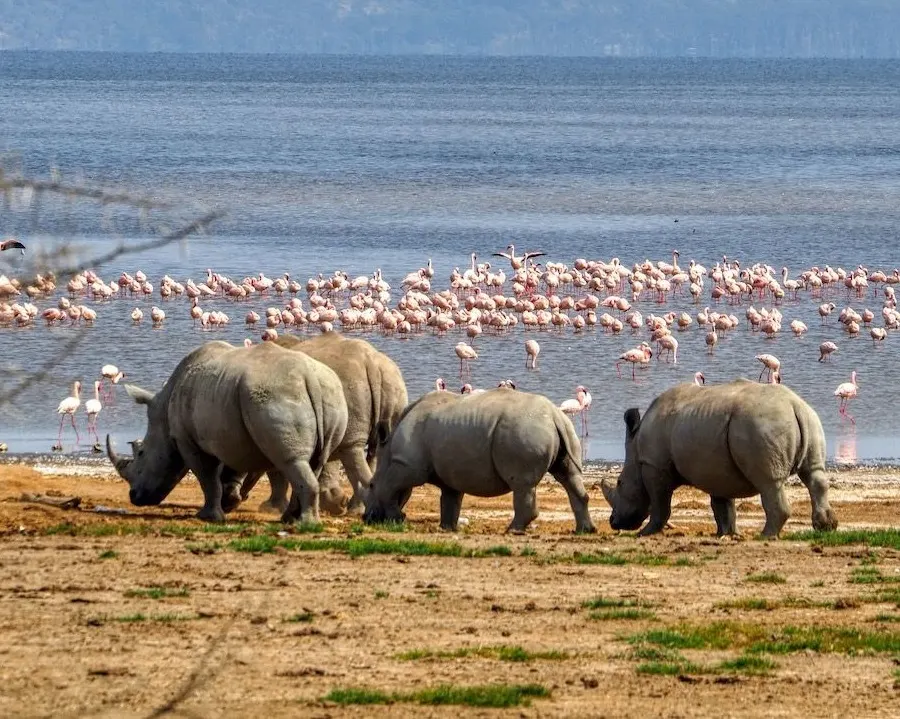
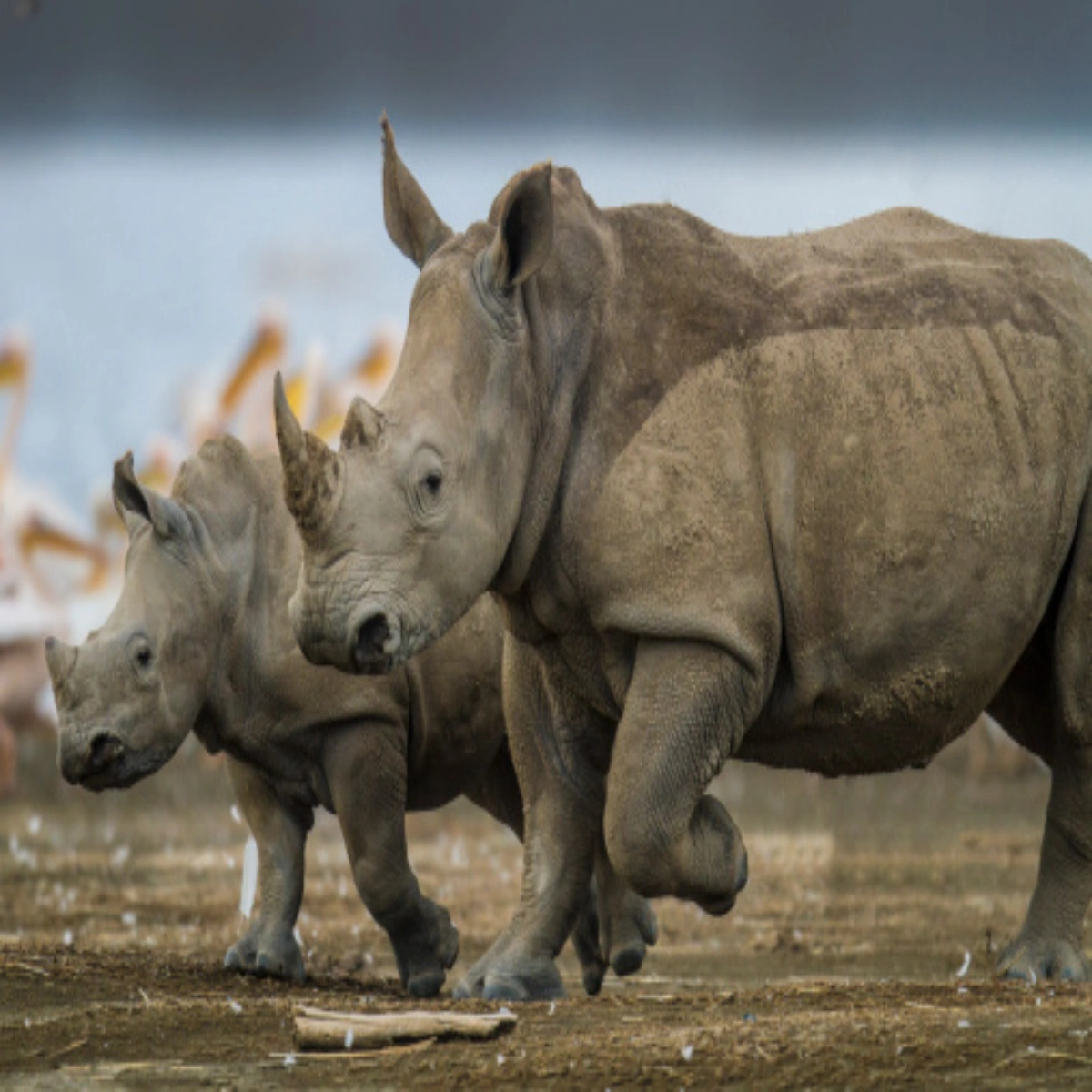
Lake Nakuru National Park, situated in the Great Rift Valley, is a fenced sanctuary for endangered species. The park contains healthy populations of both black and white rhinos, making sightings highly probable.
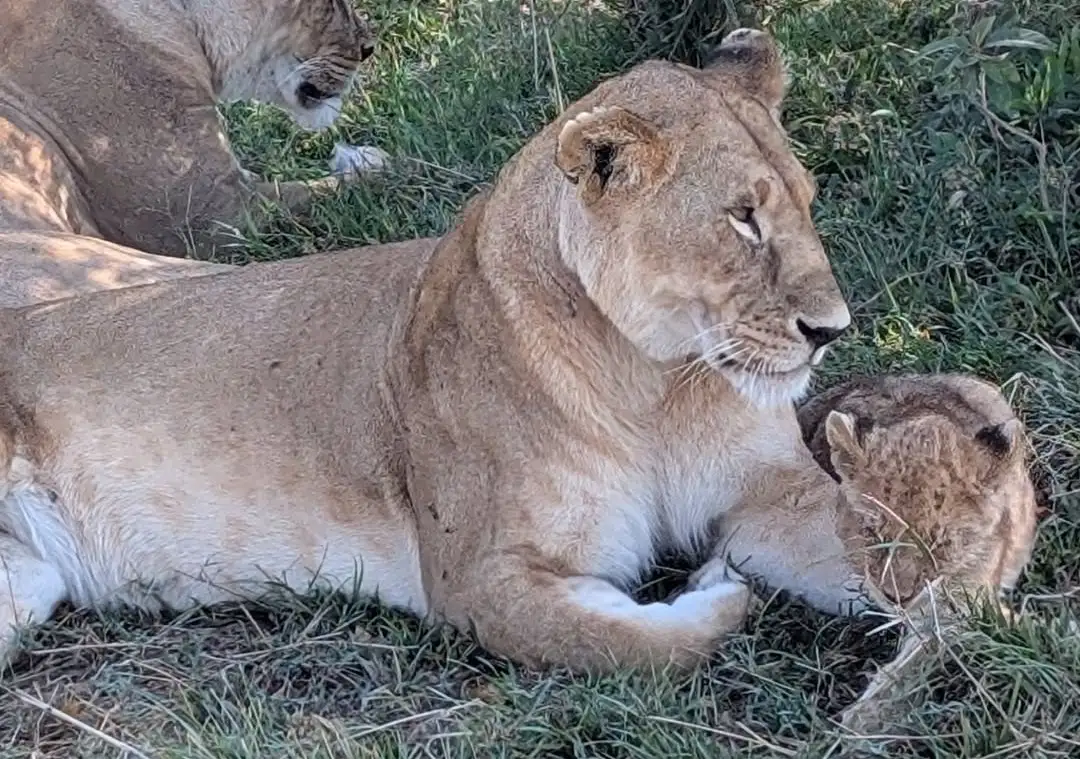
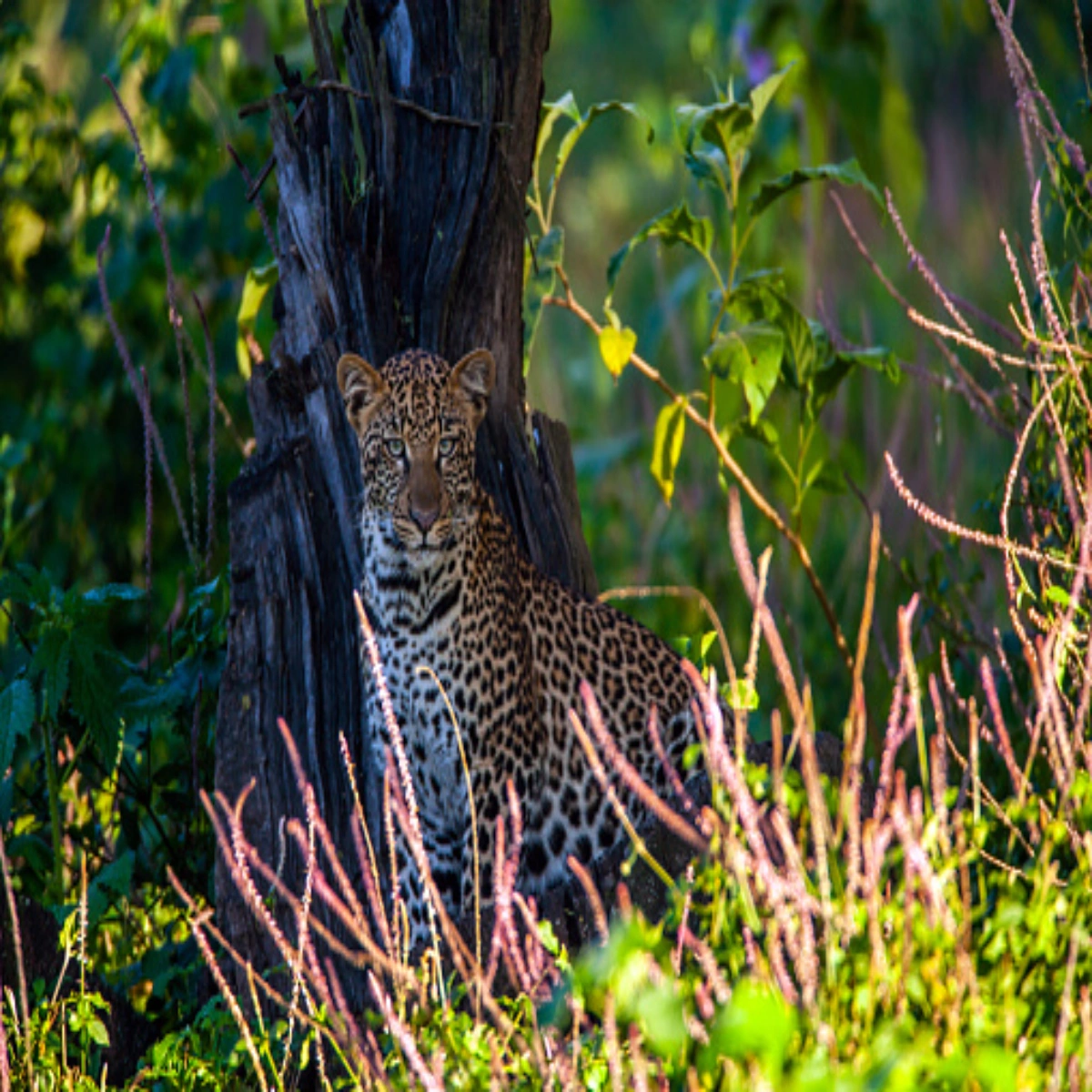
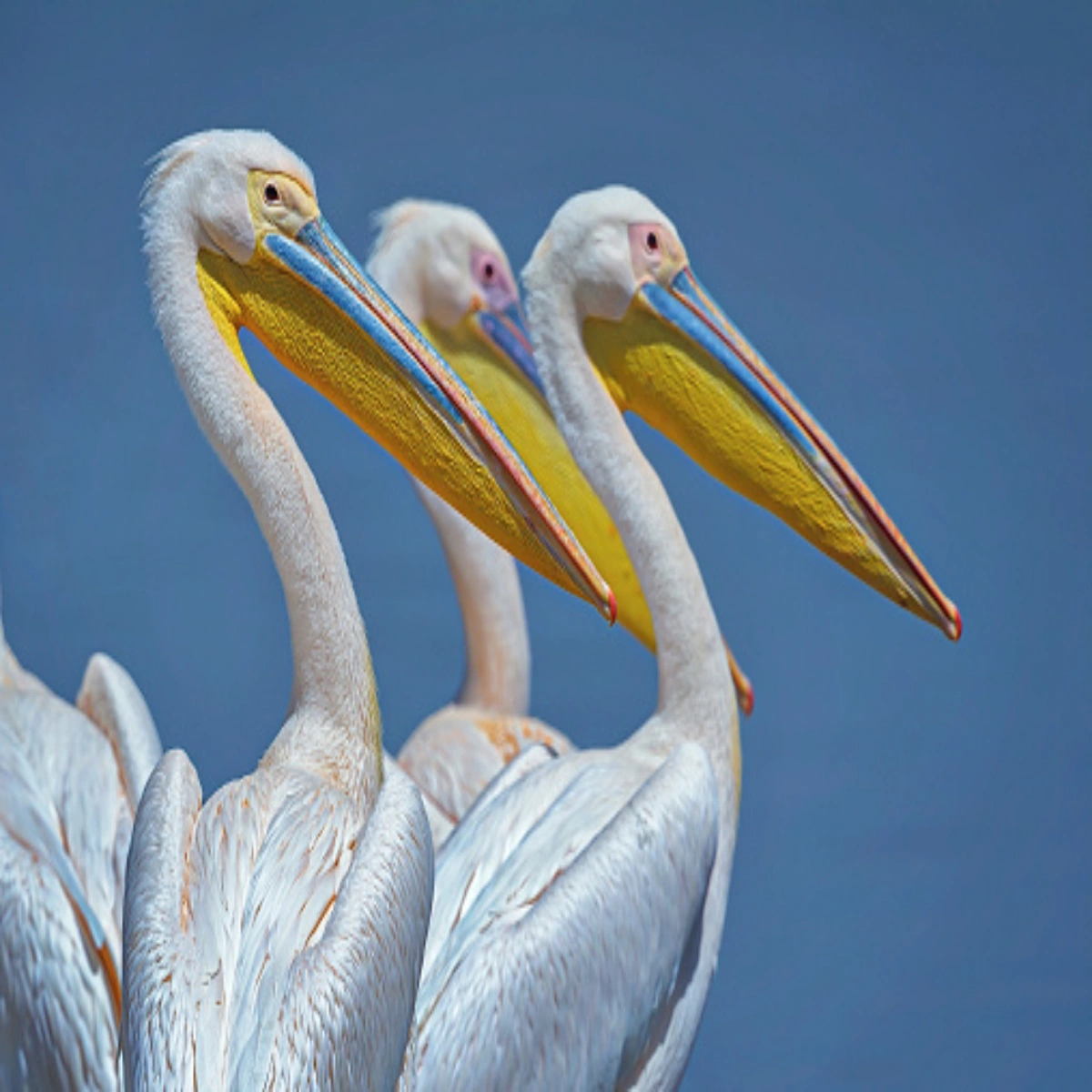
The park's acacia woodlands support leopards and tree-climbing lions. Lake Nakuru itself attracts diverse birdlife, which can include large flocks of flamingos and pelicans.
- Amboseli National Park: Expect to see large herds of elephants, Cape buffalo, Maasai giraffe, wildebeest, Burchell's zebra, and potentially lions, cheetahs, and hyenas against the backdrop of Mount Kilimanjaro.
- Lake Nakuru National Park: A premier destination for spotting black and white rhinoceros, Rothschild's giraffe, waterbuck, and a high concentration of birdlife, including flamingos and pelicans.
How This Kenya Safari Stays Affordable
This safari package maintains affordability through several structural choices. The five-day duration provides an immersive experience while managing costs for travellers with limited leave.
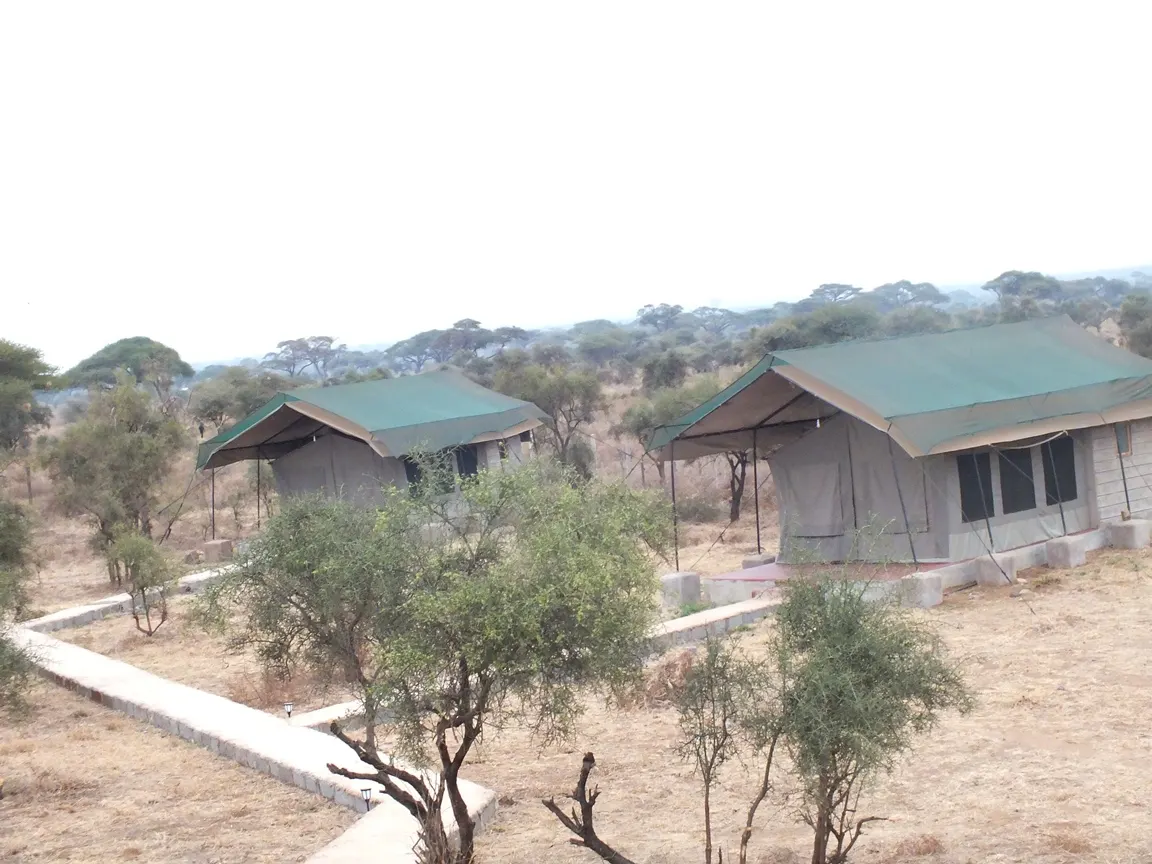
The itinerary uses a manageable driving circuit from Nairobi to Amboseli and Lake Nakuru, which reduces transport costs. Accommodation is in clean, well-located, and comfortable budget-friendly lodges and camps.
The package is structured to be mostly inclusive upon arrival in Kenya. The following table breaks down what is covered and what you need to organise separately.
| Inclusions |
Exclusions |
| Safari transport in a minivan or 4x4 |
International flights from Australia |
| Services of a dedicated driver-guide |
Kenya eTA (Electronic Travel Authorisation) |
| 4 nights' budget lodge/camp accommodation |
Comprehensive travel insurance |
| All park entry fees |
Beverages and personal expenses |
| Meals as specified (on safari) |
Tips and gratuities for your guide |
| Bottled water during game drives |
Optional activities (e.g., village visits) |
Who This 5-Day Affordable Kenya Safari Suits
This safari itinerary is designed for a specific type of Australian traveller. The pace is rated as 'easy', with road travel between parks and full-day game drives to increase wildlife viewing time.
The package offers a strong introduction to a classic Kenyan safari. The following points outline the ideal traveller for this tour.
- First-time safari travellers seeking a well-rounded and accessible introduction to Kenya's wildlife.
- Value-conscious couples or small families who favour wildlife experiences over luxury lodge amenities.
- Travellers with limited annual leave who need an efficient, high-impact itinerary that fits within a week.
- Photographers who want the classic shot of elephants with Mount Kilimanjaro in the background.
This safari is not suitable for travellers seeking an ultra-luxury experience with high-end lodge facilities. It is also not a fit for those who prefer to fly between parks or visit remote Kenyan regions that require a longer tour duration.
Travel Logistics for Australians Going to Kenya
International Flights
Long-haul flights to Nairobi's Jomo Kenyatta International Airport (NBO) depart from major Australian hubs like Sydney, Melbourne, and Brisbane. These routes usually include a single stopover in a Middle Eastern or Asian hub.
Booking international flights well in advance is advisable for January travel to access better fares.
Kenya eTA and Travel Insurance
Australian citizens must obtain an Electronic Travel Authorisation (eTA) online before arriving in Kenya. The eTA is a mandatory entry requirement managed through the official Government of Kenya portal.
Comprehensive travel insurance is a condition of travel. The policy must cover medical emergencies, trip cancellation, and personal belongings.
Health and Vaccinations
Travellers should consult a GP or travel doctor for advice on recommended vaccinations and health precautions for visiting East Africa.
To book this pre-designed safari package, provide your preferred travel dates and the number of travellers. Confirmation of availability will be followed by instructions for securing the booking, which requires a deposit.
All ground logistics are managed for you. This service includes accommodation bookings, park fee administration, and the allocation of a vehicle and driver-guide.


.webp)
.webp)
.webp)
.webp)

.webp)
.webp)
.webp)
.webp)
.webp)