A Kenya safari in January 2027 offers a cost-effective opportunity for Australian families. The timing aligns with Australian school holidays and coincides with a 50% reduction in Masai Mara park fees from 1 January.
The Masai Mara National Reserve's daily fees decrease from US$200 to US$100 per adult. This fee change creates a valuable window for a family safari, particularly for travel planned in the second half of the month.
This guide provides information for planning a safari in January 2027. The contents detail how to align travel with school holidays, quantify park fee savings, compare flight costs from Australia, and interpret the 2026/2027 El Niño weather forecast.
Kenya Safari in January at a Glance
| Factor | January 2027 Outlook |
|---|---|
| Weather | Typically warm and dry; the 2026/2027 El Niño may cause some lingering rain. |
| Wildlife | Excellent resident wildlife, including the Big Five in the Mara. Newborn animals are common. |
| Crowds | The first week is busy, then numbers decrease. Far fewer visitors than July–October. |
| Mara Park Fees | High season (US$200/adult) ends 31 Dec. Low season (US$100/adult) begins 1 Jan. |
| Flights from Australia | Fares drop significantly after the first week of January compared to December. |
How Much Will Australians Save on Masai Mara Park Fees in 2027?

The reduction in Masai Mara National Reserve park fees is the most significant financial advantage of a safari in January. On 1 January 2027, the daily non-resident adult fee drops from the peak season rate of US$200 to the low season rate of US$100.
This change offers substantial savings. For two adults spending three nights in the Masai Mara, the fee reduction translates to a direct saving of US$600. At current exchange rates, this saving is approximately A$861 on park fees alone, making a material difference to a holiday budget.
Masai Mara Fee Breakdown for January 2027
| Visitor Category | Fee Per Day (1 Jan – 30 Jun 2027) | Fee Per Day (Previous Peak Season) |
|---|---|---|
| Adult (18+) | US$100 | US$200 |
| Child (9–17 years) | US$50 | US$50 |
| Child (0–8 years) | Free | Free |
Note: Child fee rates are based on the latest information from the official reserve website. All fees should be verified against the official Narok County Government source before booking.
When Can Australian Families Travel During the 2027 School Holidays?
The summer school holidays in Australia align well with this cost-saving window in Kenya. Students in most states and territories return to school during the last week of January. This schedule gives families a three-week period to travel after the peak Christmas and New Year period has passed.
This timing avoids the inflated costs and visitor numbers of late December while still fitting within the official school break. Planning a safari for the second or third week of January is an ideal strategy for Australian families.
2026-2027 Australian Summer School Holiday Dates
| State/Territory | Holiday Start Date | Holiday End Date |
|---|---|---|
| New South Wales (Eastern) | 18 December 2026 | 27 January 2027 |
| Victoria | 19 December 2026 | 27 January 2027 |
| Queensland | 12 December 2026 | 26 January 2027 |
| Western Australia | 18 December 2026 | 31 January 2027 |
| South Australia | 12 December 2026 | 26 January 2027 |
| Tasmania | 18 December 2026 | 6 February 2027 |
| Australian Capital Territory | 18 December 2026 | 30 January 2027 |
| Northern Territory | 15 December 2026 | 29 January 2027 |
Dates are indicative and should be verified with the relevant state's Department of Education.
Safari Weather in January and the El Niño Caveat
January in Kenya typically marks a short, dry spell between the 'short rains' (October–December) and the 'long rains' (March–May). Travellers can generally expect warm, sunny days with clear skies, which are excellent conditions for a safari. The landscape remains green from the earlier rainfall.
The 2026-2027 El Niño weather pattern requires specific consideration for January travel. The Kenya Meteorological Services Authority (KMSA) forecasts that the short rains may extend into early January 2027, most likely affecting central, western, and eastern Kenya.
Travellers should prepare for potential afternoon showers, not constant downpours. The benefits of this weather pattern include greener landscapes, reduced dust, and different wildlife viewing conditions. A detailed forecast is on our Masai Mara weather page.
Wildlife You Can See on a January Safari in Kenya
Wildlife viewing in January is excellent, despite the absence of the Great Migration herds. Resident animal populations in the Masai Mara and other parks are healthy and active. Water sources are plentiful and the landscape is green, meaning animals are dispersed but thriving.
January is also an excellent time for birdwatching. Migratory birds from Europe and northern Africa are present throughout the month.
Newborn Animals and Predators
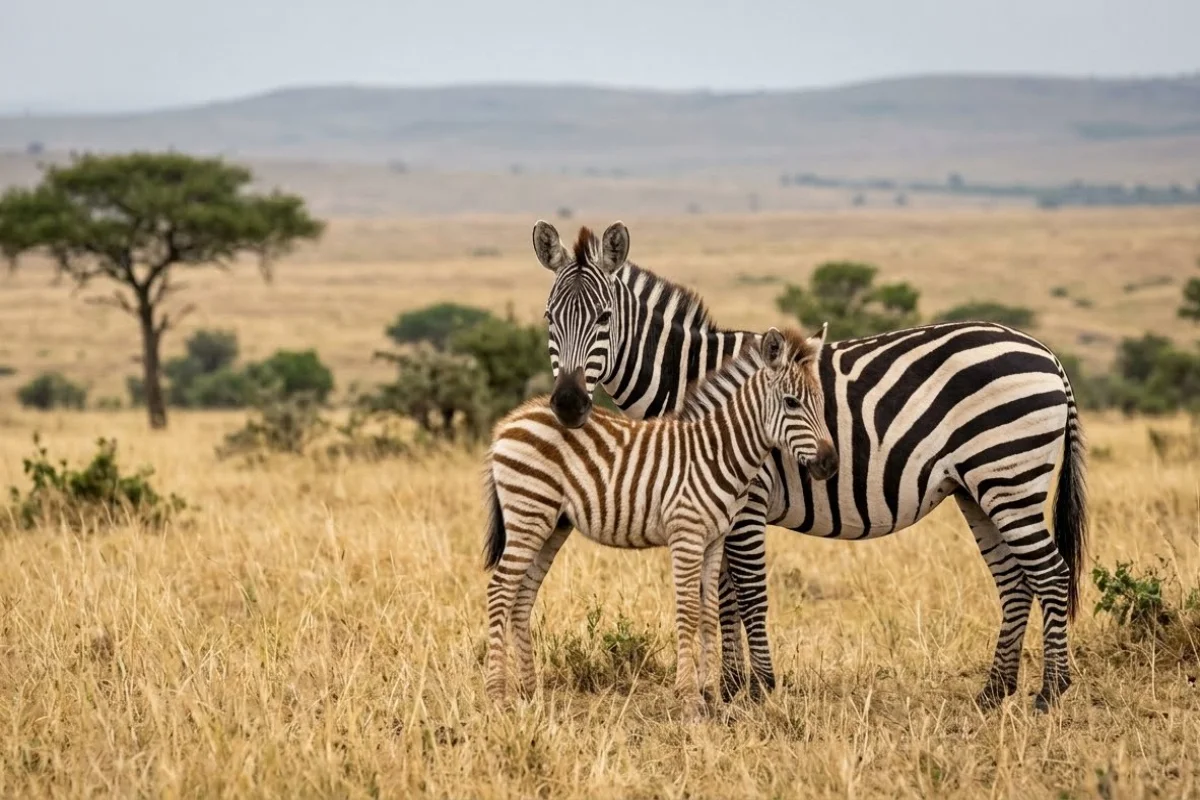
January is a calving season for many species. Visitors are likely to see newborn animals, including impala lambs, zebra foals, and wildebeest calves. Predators are active and follow these vulnerable herds, offering an authentic view of the natural life cycle.
Big Five and the Great Migration
All members of the Big Five (lion, leopard, elephant, rhino, and buffalo) are resident in the Masai Mara and can be found year-round. It is important to note the famous Great Migration river crossings do not occur in January. The large wildebeest and zebra herds are located in Tanzania's Southern Serengeti and Ndutu regions for their main calving season.
How January Flight Prices from Australia to Kenya Compare
Travelling in January instead of December provides substantial savings on flights from Australia. Airfare is one of the largest components of a safari budget, and prices drop sharply after the first week of January as holiday demand subsides.
A pricing snapshot of Air Mauritius flights from Perth to Nairobi, for example, showed return fares in December starting from A$4,899. The same route in January started from A$2,639. Flight prices are dynamic, but this example highlights the typical savings available.
Major carriers like Qatar Airways and Emirates service key Australian cities with one-stop connections to Nairobi. Booking 6 to 9 months in advance is recommended for the best fares.
Why the Second Half of January is the Best Time for Australians
The second half of January 2027 is the prime window for Australian travellers to visit Kenya. This period represents a sweet spot for value, weather, and wildlife, aligned with Australian holiday schedules.
Travel from around 10 January onwards provides several benefits:
- Halved Masai Mara Fees: The US$100 low-season rate applies.
- Lower Airfares: Peak December and New Year travel surcharges are avoided.
- Reduced Crowds: Christmas and New Year visitors have departed.
- Green Season Rates: Many camps offer lower rates after the festive peak.
- School Holiday Alignment: The timing fits within the break for all Australian states.
This strategic timing allows for a world-class safari at a fraction of the cost of travelling just two weeks earlier during the Christmas peak.
Sample 10-Day January Family Itinerary
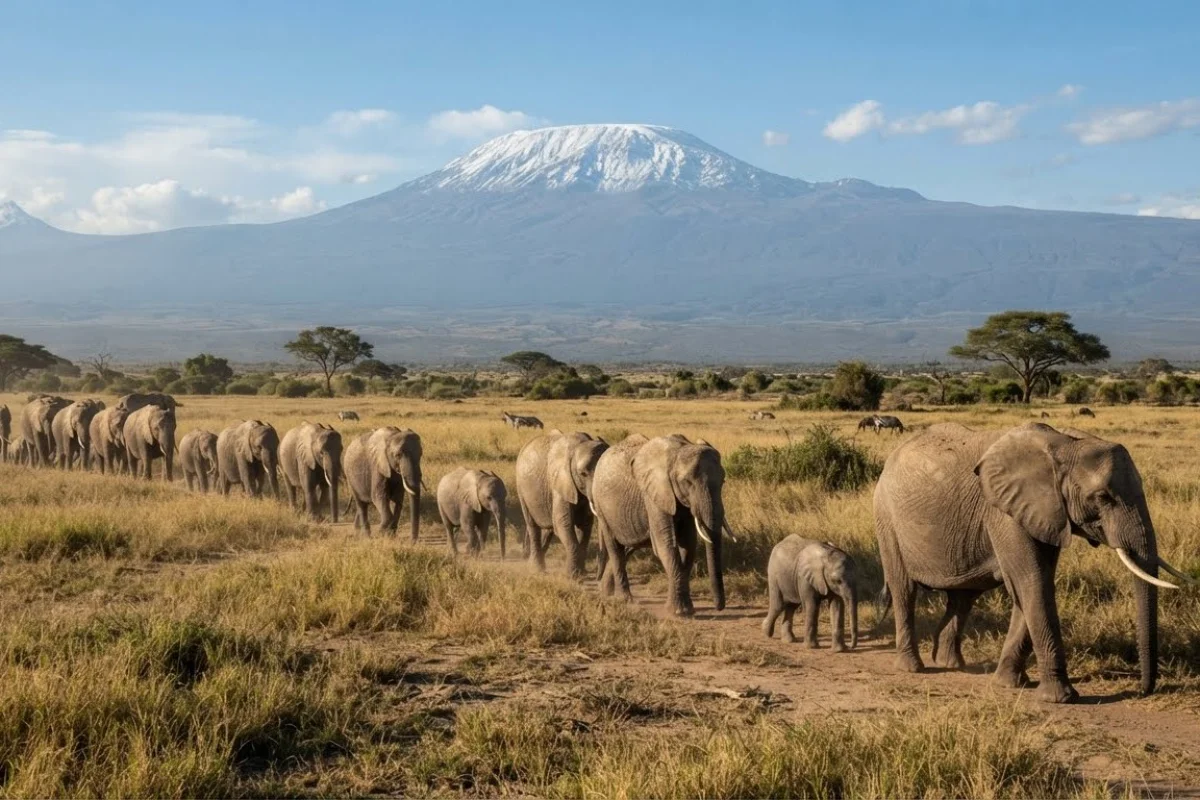
A 10-day January itinerary for an Australian family balances Kenya's classic safari highlights with engaging activities suitable for the season.
- Day 1: Arrive in Nairobi. Transfer to your hotel for rest.
- Day 2: Nairobi exploration. Visit the Giraffe Centre and the Sheldrick Wildlife Trust elephant orphanage for educational animal encounters.
- Day 3: Fly to the Masai Mara. Settle into your camp for an afternoon game drive.
- Day 4 & 5: Masai Mara. Enjoy full days of game drives searching for the Big Five. Options include a village visit or a nature walk. This is a great opportunity for an educational safari experience.
- Day 6: Lake Naivasha. Drive to Lake Naivasha for a change of scenery and an afternoon boat safari to see hippos and birdlife.
- Day 7 & 8: Amboseli National Park. Drive to Amboseli, known for its large elephant herds and clear views of Mount Kilimanjaro.
- Day 9: Return to Nairobi. Take a final morning game drive before driving or flying back to Nairobi for your onward flight. See our 9-day safari and beach itinerary for a different pace.
- Day 10: Depart for Australia.
Popular Itinerary Extensions
A 4-day extension to the white sands of Diani Beach for relaxation is a popular add-on. Alternatively, visitors can fly from the Mara to the Serengeti in Tanzania to witness the Great Migration calving season in the Ndutu region (January-February).
Travellers should be aware of potential health screening requirements at Jomo Kenyatta International Airport (JKIA). Enhanced screening measures for arrivals from certain destinations, including Tanzania, may be in place. Checking official government travel advisories before departure is a mandatory step.
Frequently Asked Questions About a January Safari in Kenya
When do Masai Mara fees change?
The fees change on 1 January 2027, dropping from the peak season rate of US$200 per adult per day to the low season rate of US$100. The peak rate resumes on 1 July 2027.
Is January 2027 too wet for a safari?
January is typically dry. A predicted El Niño event increases the chance of rain lingering into early January 2027. The weather is not expected to be disruptive and will result in green landscapes. We recommend packing a light rain jacket.
Is a January safari in Kenya cheaper than in December?
Yes, a safari after the first week of January is significantly more affordable than one in late December. The savings come from lower park fees, reduced flight costs from Australia, and lower accommodation rates. A safari in December is a peak-season trip.
How many days are needed for a family safari?
We recommend a minimum of 7 to 10 days on the ground in Kenya for Australian travellers. This duration allows for a comfortable pace that accounts for travel time and lets you appreciate two or three different safari areas.
Can we combine a January safari with Diani Beach?
Yes. January is an excellent time for the Kenyan coast, with hot, sunny weather. A 'bush and beach' combination is a classic and highly recommended way to complete a Kenyan holiday.
Summary of Benefits for a January 2027 Safari in Kenya
January 2027 provides a unique opportunity for Australian families and couples to experience a safari at an exceptional value. Aligning travel with the school holidays and the lower Mara park fees allows for a high-quality safari without the peak-season price tag.
To receive a custom itinerary based on your state's school holiday dates, please contact one of our safari specialists.