Kenya protests usually stay in city business districts, so a safari in the parks is rarely affected, but Nairobi transfer days need a plan. These urban events are geographically separate from the country's vast, isolated national parks and do not directly impact safari operations within them. Expert tour operators use long-standing strategies to ensure traveller safety and an uninterrupted safari experience.
These strategies include using bypass routes to circumvent urban centres and arranging direct bush flights from dedicated airports into safari country. This planning ensures your Africa safari holiday remains focused on wildlife and wilderness, away from city-based events.
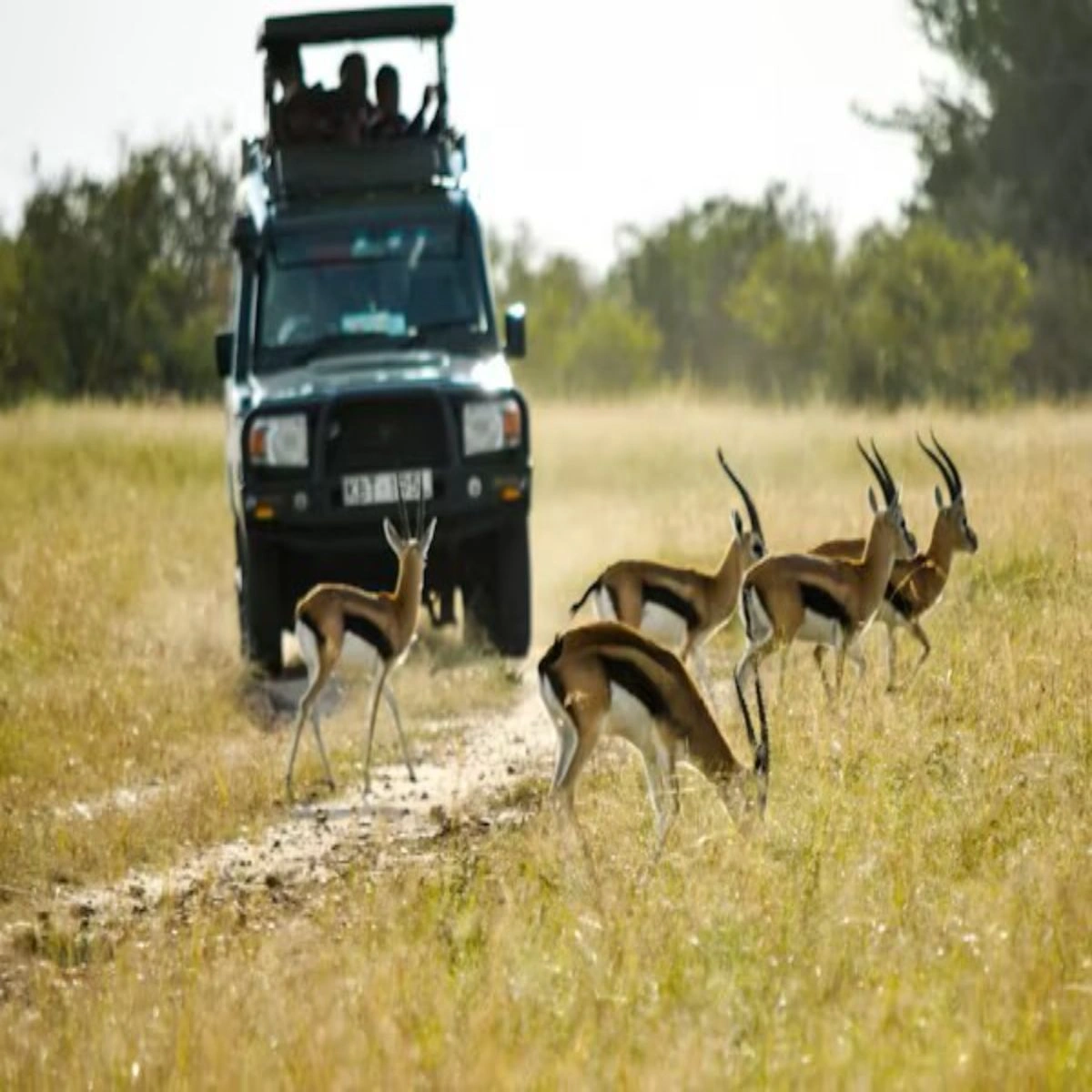
How Safari Operators in Kenya Ensure Tourist Safety During Urban Events
Reputable safari operators in Kenya use proactive safety measures built on years of on-the-ground experience. Their approach assumes that urban transit requires careful management, involving detailed itinerary planning that minimises or eliminates time spent in congested city centres.
Dedicated operations teams constantly assess the local environment through a network of contacts providing real-time information. This data allows for immediate adjustments to travel plans, such as altering a transfer time or route if necessary. Your journey from the international airport to your safari lodge is managed through a well-planned corridor organised for your safety.
How African Safari Trips Itineraries in Kenya Avoid City Centres
The key to a smooth start to any Kenyan safari is avoiding the potential bottlenecks of Nairobi's city centre. Professional safari planners achieve this through intelligent logistical arrangements. The arrangements use specific infrastructure designed to keep tourist traffic flowing away from the CBD, ensuring your first experience of Kenya is the open road to the wilderness.
Utilising the Nairobi Southern Bypass
The Nairobi Southern Bypass is a critical piece of infrastructure for safari travel. This major highway skirts the entire southern edge of the city, creating a direct link from Jomo Kenyatta International Airport (JKIA) to the main roads leading towards the Maasai Mara and the Great Rift Valley. Your driver-guide uses this route to avoid the CBD, which is a standard procedure for well-organised safari holidays.
Flying from Wilson Airport for Direct Safari Access
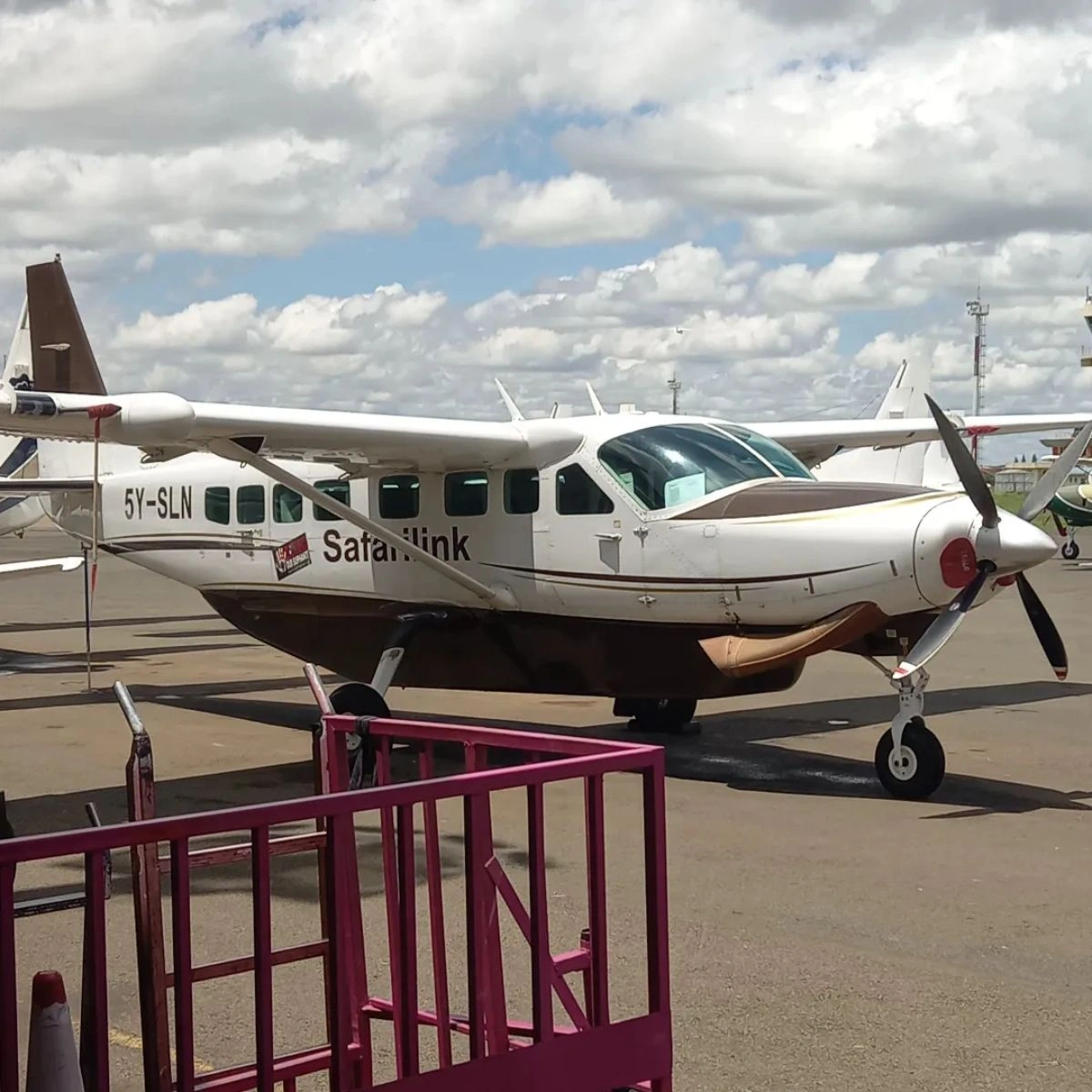
Internal flights from Wilson Airport offer the most direct and efficient access to safari destinations. Located a short drive from JKIA via the bypass, Wilson is a dedicated hub for the light aircraft that service airstrips in national parks like the Maasai Mara, Amboseli, and Samburu. A direct transfer from your international flight to a domestic bush flight allows you to be in a game reserve within an hour of leaving Nairobi, bypassing all city travel entirely.
Urban Protests and Kenya's National Parks
Kenya's national parks and safari lodges are not directly impacted by urban protests because they are geographically isolated from the urban centres. These wildlife reserves are often located hundreds of kilometres from the major cities where any demonstrations might occur. Life within the parks and conservancies continues as normal, focused on conservation and wildlife viewing.
Your safari experience takes place in these remote, well-managed environments. Daily activities consist of game drives in vast wilderness areas, guided by professionals in constant radio communication with the lodge and other guides. The concerns of the city are far removed from the environment of a wildlife safari.
Communication Systems for Ground Team Safety
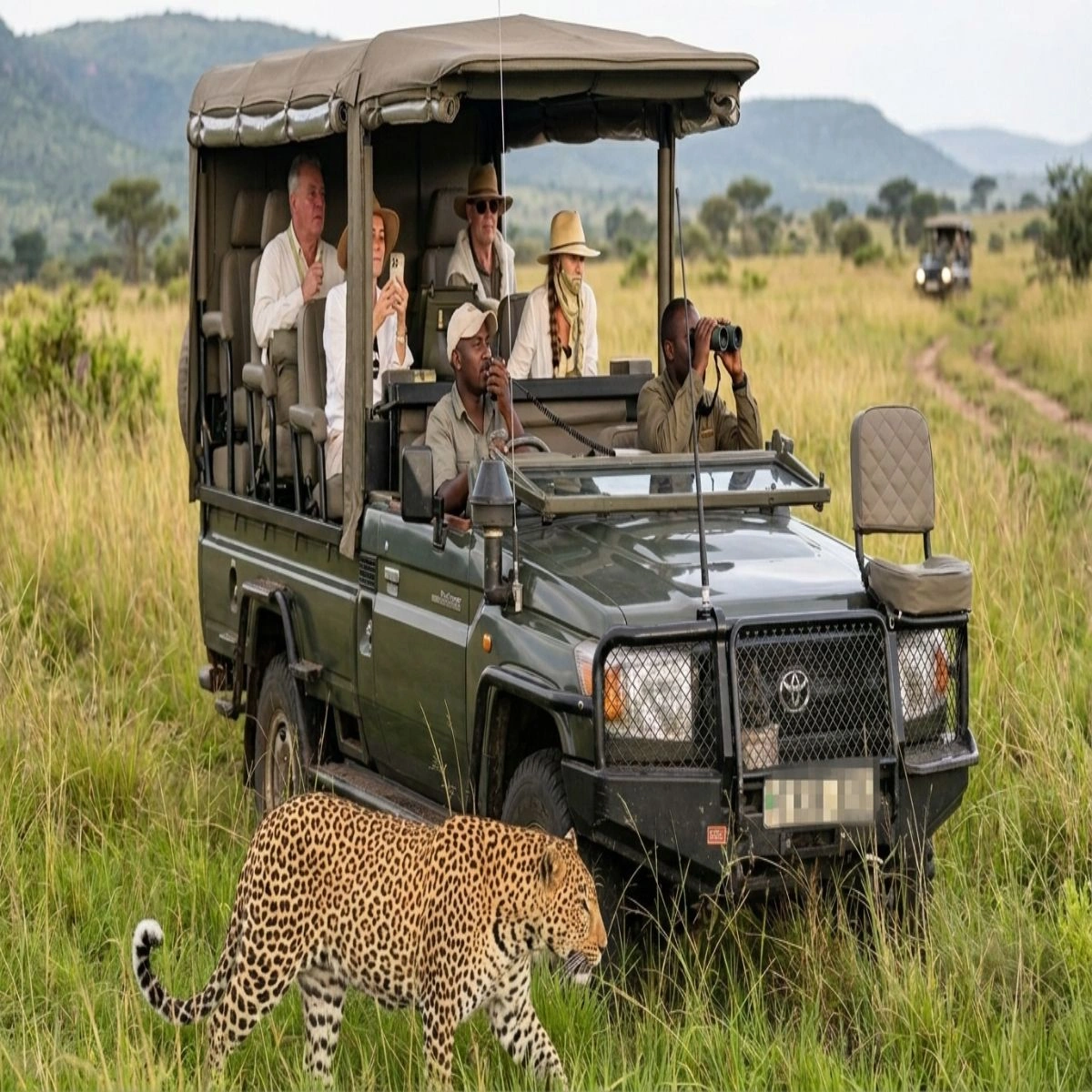
Continuous, reliable communication is the foundation of in-field safety protocols. Every professional safari vehicle is equipped with a high-frequency (HF) or very-high-frequency (VHF) radio system. These radio networks provide constant, direct contact between your guide, nearby vehicles, and the central operations office, which is more reliable than mobile phones with intermittent coverage.
Lead guides and lodge managers also carry satellite phones for use in areas beyond radio range. This technology provides a reliable communication link to a 24/7 support base for any emergency. This layered system ensures that even in remote locations, your ground team can coordinate assistance, from vehicle repair to a medical evacuation.
How Tour Operators Monitor Local Safety in Real Time
Reputable tour operators build a safety picture that goes beyond generic news reports, using a constant flow of verified, on-the-ground information. The primary source is their own network of driver-guides, who provide immediate feedback on local road conditions, traffic patterns, and any unusual activities. This information is supplemented by a trusted network of local contacts within the tourism industry and conservation bodies.
This ground-level information is cross-referenced with official advisories from bodies like the Kenya Tourism Board and government sources, including Australia's DFAT. This data synthesis allows the operations team to make proactive decisions, such as altering a transfer route hours in advance to ensure your journey remains unaffected.
Kenya's Tourism Police Unit and Your Safety
Dedicated Tourism Police Units operate in key urban centres as an additional layer of security for international visitors. This government initiative places specially trained officers in tourist-frequented areas, including airports and major transit hubs. Their mandate is focused on visitor welfare, offering assistance, and providing a visible security presence.
Safari itineraries are designed to bypass these urban areas. The presence of the Tourism Police, however, provides an extra level of government-backed security during the short transit periods, demonstrating a national commitment to protecting visitors.
| Safety Protocol | Description | Primary Application |
|---|---|---|
| Strategic Urban Routing | Use of bypasses like the Nairobi Southern Bypass to avoid city centres. | Airport transfers and road travel between major hubs. |
| Internal Bush Flights | Direct flights from Wilson Airport to remote park airstrips. | Accessing reserves like the Maasai Mara and Amboseli. |
| Layered Communications | HF/VHF radios in all vehicles and satellite phones for lead guides. | Continuous contact with base operations for logistics and emergencies. |
| Real-Time Intelligence | Ground network of guides monitoring local conditions. | Proactive itinerary adjustments to avoid potential disruptions. |
Key Safety Questions for Your Safari Operator
When organising your safari, it is wise to ask direct questions about safety protocols. A reputable operator will welcome these inquiries and provide clear answers. Consider asking the following questions to ensure your operator is prepared:
- What are your specific procedures for transferring clients from JKIA?
- What communication systems are fitted in your vehicles?
- Do you have a 24/7 operations office for emergencies?
- What first aid training have your driver-guides received?
- What are your contingency plans for a medical emergency?
- Can you detail your relationship with medical evacuation providers?
The quality and detail of an operator's responses indicate their professionalism and commitment to your well-being.
Choosing a Reputable Operator for Your Africa Safari Holiday

The quality of your chosen operator is a critical factor for a secure safari. Look for companies with a long-standing presence in Kenya and verifiable credentials, such as membership in the Kenya Association of Tour Operators (KATO). KATO holds its members to a strict code of conduct.
A trustworthy operator will be transparent about their safety protocols and procedures. The company's focus will be on providing expert guidance and a well-organised trip, not on high-pressure sales tactics. An operator's deep local expertise is a key asset in planning a well-managed safari.
How to Prepare for a Secure Safari in Kenya
Personal preparation is a key final step for a secure trip. First, always review the latest travel advice for Kenya on the Australian Government's Smartraveller (DFAT) website for an official, up-to-date overview. Second, securing comprehensive travel insurance is non-negotiable.
Your insurance policy must explicitly include remote medical emergency coverage and, most importantly, air medical evacuation. Access to advanced medical facilities can be hours away by road from safari destinations, so air evacuation is the industry standard for any serious issue.
Finally, pack a small personal medical kit with basics like antiseptic wipes, plasters, pain relief, and any personal prescription medications. This diligent preparation, combined with the expertise of your chosen operator, is the foundation of a well-planned African safari trip in Kenya.