A Kenya safari Packages cost per day for Australians ranges from A$390 on a budget group trip to A$1,850 or more in a luxury camp. Park fees, the Electronic Travel Authorisation (ETA), and Kenya's mandatory insurance are paid in US dollars on top of this package price. This 2026 guide provides an Australian-centric cost breakdown, including mandatory fees and the impact of the AUD-USD exchange rate on a final holiday budget.
Daily Kenya Safari Costs for Australians: Budget, Mid-Range & Luxury
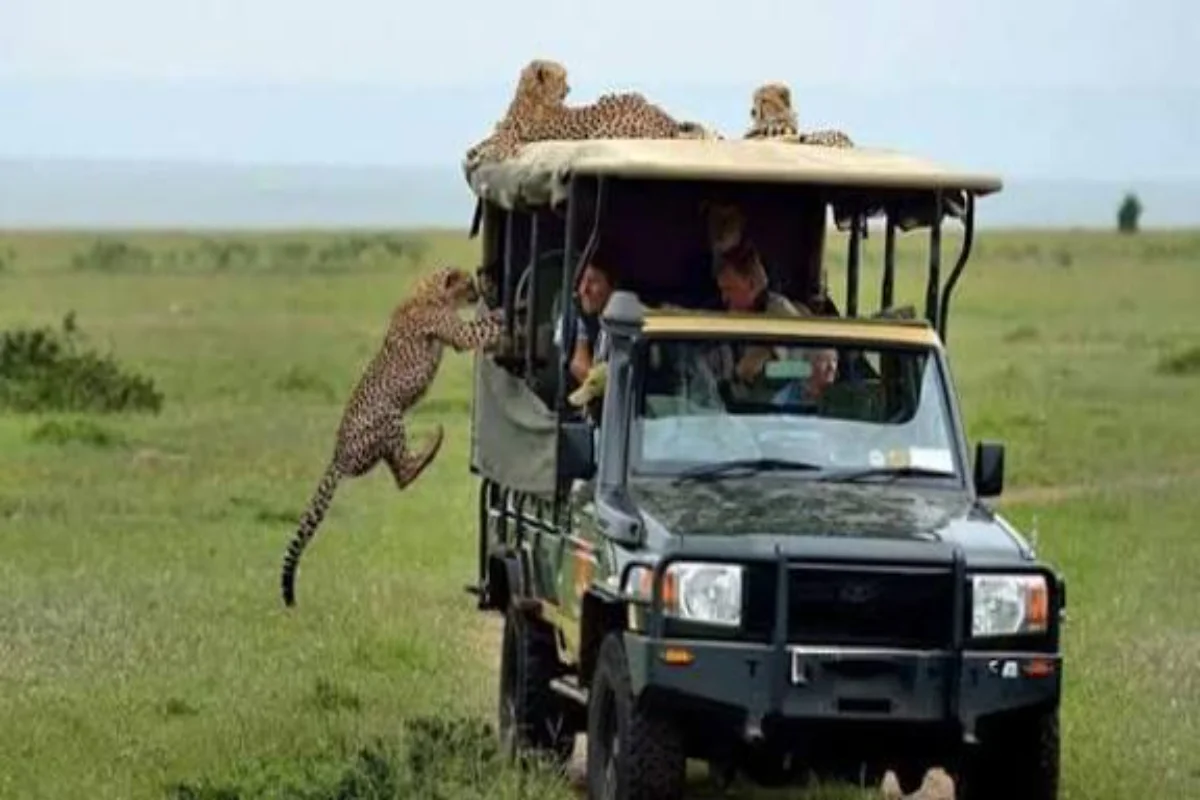
A Kenyan safari holidays daily rate depends on accommodation choice, transport type, and tour style (private or shared). The figures below show the typical per person, per day cost for the land-based part of the trip. Understanding these tiers helps Australian travellers create a realistic safari budget.
The daily rates typically cover a 4x4 vehicle with a professional driver-guide, accommodation, and main meals. These prices generally exclude mandatory park fees, international flights from Australia, tips, and personal expenses. Each of these additional costs is detailed further in this guide.
| Safari Style | Estimated Cost Per Person, Per Day (AUD) | Typical Inclusions & Style |
|---|---|---|
| Budget | A$390 – A$550 |
|
| Mid-Range | A$550 – A$950 |
|
| Luxury | A$950 – A$1,850+ |
|
Mandatory Fees for Australian Travellers: ETA, Insurance & Conservation
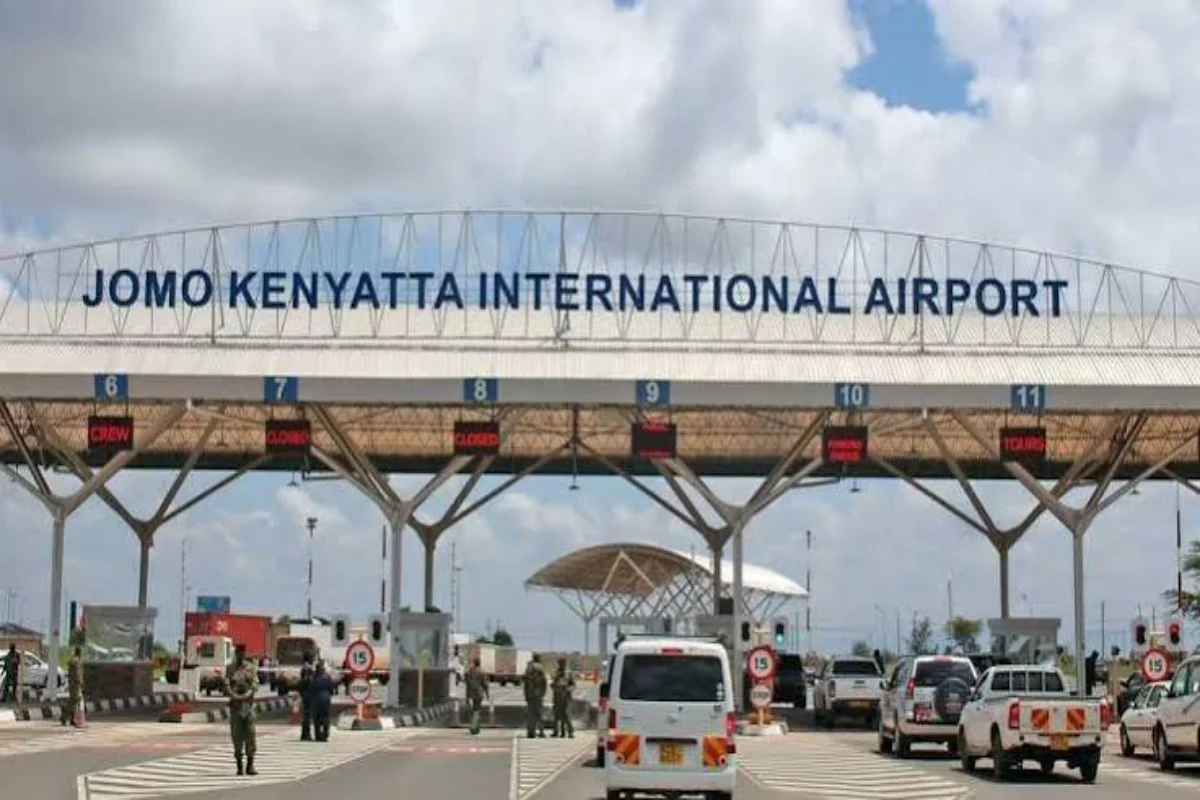
Australian travellers must budget for several mandatory one-off costs separate from the tour operator's package price. The Kenyan government prices these fees in US Dollars. The final AUD cost of these fees depends on the exchange rate at the time of payment.
All Australian visitors need an Electronic Travel Authorisation (ETA), which replaced the previous visa system. The ETA application is completed online before travelling. The current cost is US$30 (approximately A$43) per person.
Kenya requires mandatory travel health insurance for all foreign visitors to cover potential medical emergencies. The fee is approximately US$52 (around A$75) and includes in-country medical coverage and evacuation services.
Travellers should also monitor a proposed increase to the Passenger Management Charter (PMC) fee. The current proposal could raise the fee from A$70 to A$80 starting 1 January 2027. This fee should be confirmed with your tour operator before departure.
How Much are Kenya National Park Entry Fees for Australians?
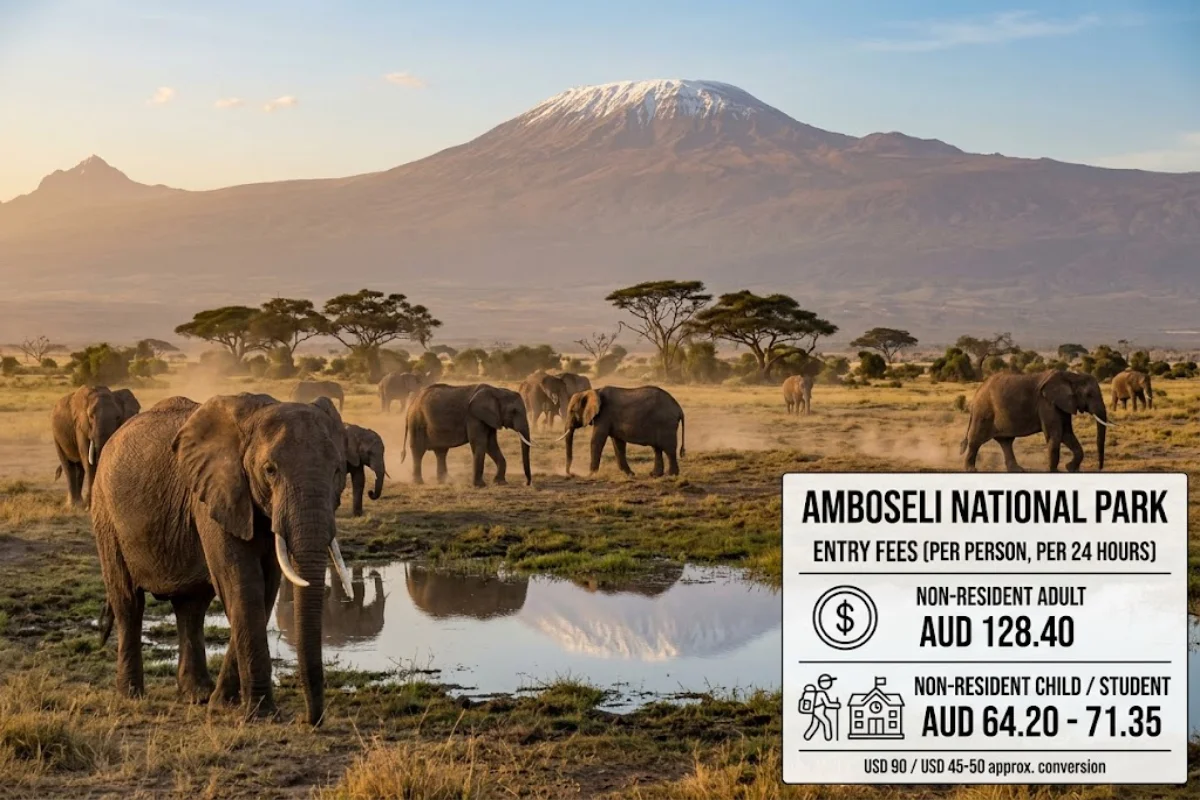
Park and reserve entry fees are a non-negotiable part of the daily safari cost and are priced in US Dollars. These conservation fees fund wildlife protection and are charged per person, per 24-hour period. A safari operator usually collects this fee to pay the authorities, and it appears as a separate line item in your budget.
Park fee rates vary by season, especially for the Masai Mara National Reserve. The high season from July to December has a higher fee due to the Great Migration. The rates shown are based on the tariff valid from October 2025 and must be confirmed for specific 2026 travel dates.
| National Park / Reserve | Fee per Adult per Day (USD) | Approximate AUD Cost |
|---|---|---|
| Masai Mara (Jul–Dec) | US$200 | A$287 |
| Masai Mara (Jan–Jun) | US$100 | A$144 |
| Amboseli National Park | US$90 | A$129 |
| Nairobi National Park | US$80 | A$115 |
How the AUD-USD Exchange Rate Shapes Your Safari Budget
The AUD-USD exchange rate is a major variable affecting the final Kenya safari cost for Australians. Key components like park fees, the ETA, insurance, and the safari base cost are priced in US dollars. Currency fluctuations can change the final budget by hundreds of dollars, especially when the Australian dollar is near 70 US cents.
The following example on a US$7,000 land package shows the financial impact of currency shifts.
- At an exchange rate of 0.6965 (US$1 = A$1.435), the cost is A$10,050.
- If the rate falls to 0.6865 (US$1 = A$1.456), the same package costs A$10,197.
A one-cent drop in the exchange rate adds approximately A$147 to the total cost in this example. Ask your operator about paying a deposit or the full amount to lock in the price at the current exchange rate. This action helps reduce the risk of adverse currency movements before your final payment is due.
How to Use Kenya's eCitizen Payment Platform from Australia
Kenya centralises government service payments via its eCitizen digital portal. Australian travellers must use this platform to apply and pay for the mandatory Electronic Travel Authorisation (ETA) before departure. The process requires creating an account and paying the US$30 fee with a credit or debit card.
The Kenyan government is moving more payments to the eCitizen system, including park entry fees at some gates. This digital payment model is replacing cash or card payments at the gate. Your tour operator typically manages park fee payments, but awareness of the platform is helpful.
Use a credit card with low foreign transaction fees for any online payments made through the portal. Complete your ETA application well ahead of your travel dates to prevent last-minute technical problems.
Smart Strategies to Save Money on Your Kenya Safari
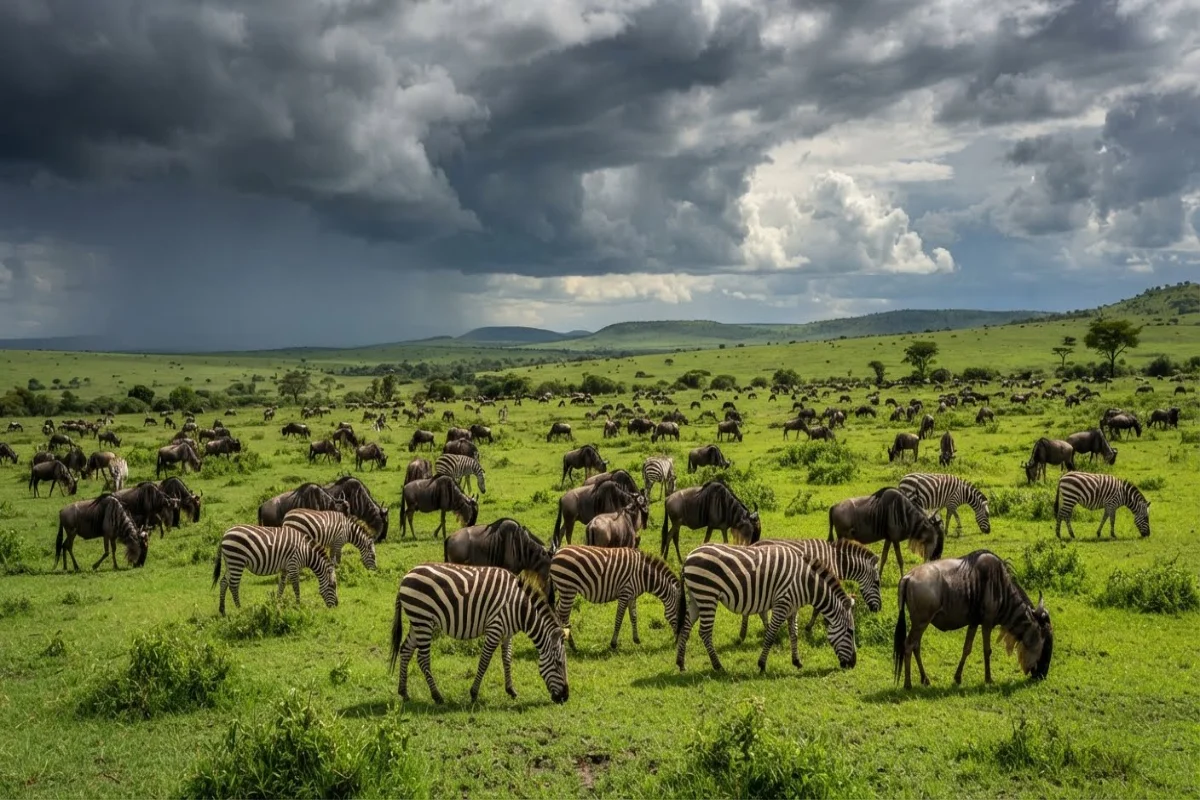
A Kenyan safari is a significant investment, but several practical strategies help Australian travellers manage daily costs. Strategic choices about travel dates and style can lower the overall budget without affecting the wildlife experience.
- Travel in the "Green Season": Travel between January and June to take advantage of the lower Masai Mara park fee (US$100 vs US$200). This period offers green landscapes, fewer tourists, and lower accommodation rates.
- Join a Small Group Safari: Sharing the cost of a private 4x4 vehicle and guide reduces the per-person daily rate. A scheduled group-joining safari distributes these major expenses among a small number of travellers.
- Focus on Fewer Parks: A longer safari in one or two key areas like the Masai Mara and Amboseli reduces transit costs and multiple park fees. This approach is more cost-effective than visiting many different parks.
- Balance Road and Air Travel: A road safari is generally more cost-effective than Kenya fly-in safaris that uses light aircraft. Choosing a road-based itinerary is a reliable way to lower daily expenditure, although flying saves travel time.
Best Payment Methods: Navigating AUD, USD & Kenyan Shillings
Effective money management in Kenya requires a mix of currencies and payment methods. The best approach for Australian travellers includes a travel card, US dollar cash, and Kenyan Shillings.
- Multi-Currency Card: A multi-currency travel card from an Australian provider, pre-loaded with US Dollars, is effective for settling final lodge bills or making large purchases. A travel card helps lock in an exchange rate and avoids high foreign transaction fees common with standard bank cards.
- US Dollars (Cash): A good supply of USD cash in small denominations (US$1, $5, $10) is necessary. USD is the standard currency for tipping safari guides, lodge staff, and local porters.
- Kenyan Shillings (KSh): Kenyan Shillings (KSh) are best for small, everyday purchases like drinks, snacks, or market souvenirs. Withdrawing KSh from an ATM upon arrival in Nairobi provides a better exchange rate than currency bureaus.
Standard Australian credit cards (Visa or Mastercard) are accepted in large city hotels and restaurants but are not a reliable primary payment method for a safari. Card acceptance is inconsistent in remote safari lodges, where many smaller businesses are cash-only. Some establishments may also add a 3-5% surcharge for card payments, making a credit card best used as a backup.
How to Get a 2026 Kenya Safari Quote in Australian Dollars
A clear picture of daily rates, mandatory fees, and currency impacts allows you to build an itinerary that matches your budget. These details are important for planning a value-focused adventure, a comfortable mid-range family holiday, or an exclusive luxury honeymoon.
Get a per-day price in AUD for your dates, fees included.
Frequently Asked Questions
Are park fees paid in USD?
Yes, all national park and reserve entry fees in Kenya are officially priced and payable in US Dollars. Your tour operator will typically collect this amount from you and pay it to the authorities on your behalf.
Is a Kenya safari cheaper in January?
Yes, travelling in January can be cheaper than in the peak season of July to October. The main saving comes from the Masai Mara National Reserve, where the daily park fee drops from US$200 to US$100. Many lodges and camps also offer lower "green season" rates during this period.
How much should I budget for tips?
A general guideline is US$10-15 per guest per day for your safari driver-guide. For lodge staff, a central tip box is common, where you might contribute US$5-10 per guest per day. It is best to tip in US Dollars or Kenyan Shillings.
Do prices include flights from Australia?
The per-day safari costs quoted in this guide are for the land package only. The prices do not include international flights from Australian cities like Sydney, Melbourne, or Perth to Nairobi's Jomo Kenyatta International Airport (NBO). You will need to budget for these flights separately.
What does a family of four spend per day?
A family of four on a private mid-range safari could expect to spend approximately A$2,200 to A$3,800 per day for the entire family (A$550-A$950 per person). This cost is before park fees, which are also charged per person, often at a reduced rate for children. A budget group safari would be significantly less, while a luxury fly-in safari would be more.