A Kenya safari tour is safe for Australian travellers because premier wildlife reserves like the Masai Mara and Amboseli are situated hundreds of kilometres from urban political activity. A dedicated tourism safety infrastructure supports your security during your holiday. This framework includes the Kenya Tourism Federation Safety Centre and a specialised Tourist Police Unit.
Fly-in transfers from Nairobi's Wilson Airport directly to your lodge's airstrip also enhance safety. This travel method bypasses city road transit entirely, providing a secure and direct journey to your safari destination.
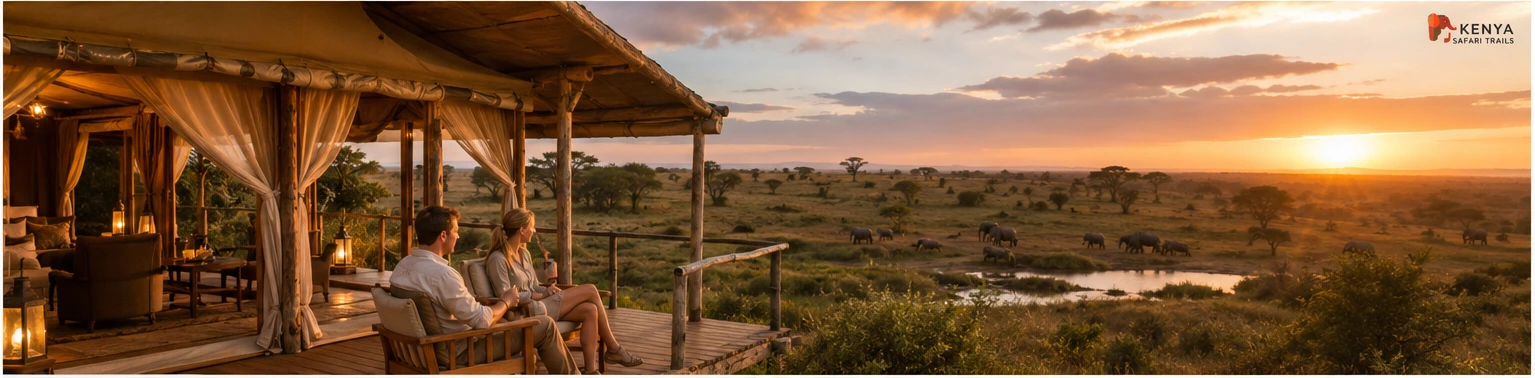
Kenya Safari Safety for Australian Travellers
Yes, Kenya's primary safari destinations are safe for Australian travellers. The country's national parks and private conservancies operate within a secure tourism framework. This framework is geographically and logistically separate from urban centres like Nairobi.
News reports of incidents in Kenyan cities have no effect on the safety of visitors on a game drive in the Masai Mara or Amboseli. The Kenyan government and private tourism sector prioritise tourist safety to protect the national economy. This focus results in a well-resourced security presence in all major safari areas.
Interpreting Australian Government Travel Advisories for Kenya
The Australian Government's Smartraveller website provides broad, high-level advice for Kenya. This advice often applies a single risk level to the entire country, covering everything from remote border regions to major cities.
The advisories require context for a safari traveller. For example, a 'Reconsider your need to travel' warning for a border region applies to an area you will not visit on a standard safari itinerary. The main safari circuit, including the Masai Mara, Amboseli, and Samburu, operates under different security conditions.
These primary safari destinations are highly organised and monitored for the safety of international visitors. The general country-wide advisory from Smartraveller has minimal bearing on the carefully managed environment of a well-planned Kenyan safari.
How Geography Creates a Safety Buffer for Kenya Safaris
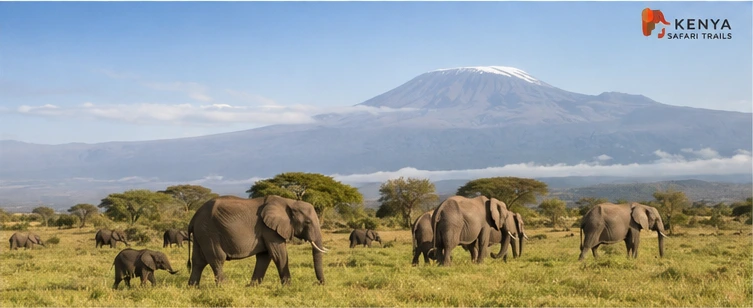
Geography is a key factor in the safety of a Kenyan safari. The political and commercial activity of the country is concentrated in Nairobi, while the iconic wildlife areas are located in remote sanctuaries.
The Masai Mara National Reserve is approximately 270 kilometres from Nairobi. Amboseli National Park is about 240 kilometres south-east of the capital. This significant distance creates a natural buffer against any urban disruptions.
Political demonstrations or civil events are confined to specific parts of Nairobi and do not extend to these remote wilderness areas. Safari lodges and camps are self-contained properties, insulating your holiday from any urban events.
How Kenya's Political Events Affect Safari Regions
Kenya is a stable democracy with a regular election cycle. Increased political activity during election periods is concentrated in urban population centres and does not affect tourist areas.
The safari industry has extensive experience operating through these periods. Tour operators and lodges maintain their own security protocols and monitor the national situation. The impact on an Australian traveller's itinerary is negligible.
Reputable operators plan logistics to ensure your comfort and safety. The core safari experience, including game drives and lodge activities, remains unaffected by national political events taking place hundreds of kilometres away.
Official Bodies that Protect Travellers on a Kenya Safari
Kenya Tourism Federation (KTF)
The Kenya Tourism Federation (KTF) operates a 24/7 Safety and Communication Centre. This organisation acts as a central monitoring hub for all tourism stakeholders, coordinating responses to any incidents from medical needs to security issues. All accredited tour operators are connected to the KTF network.
Tourist Police Unit (TPU)
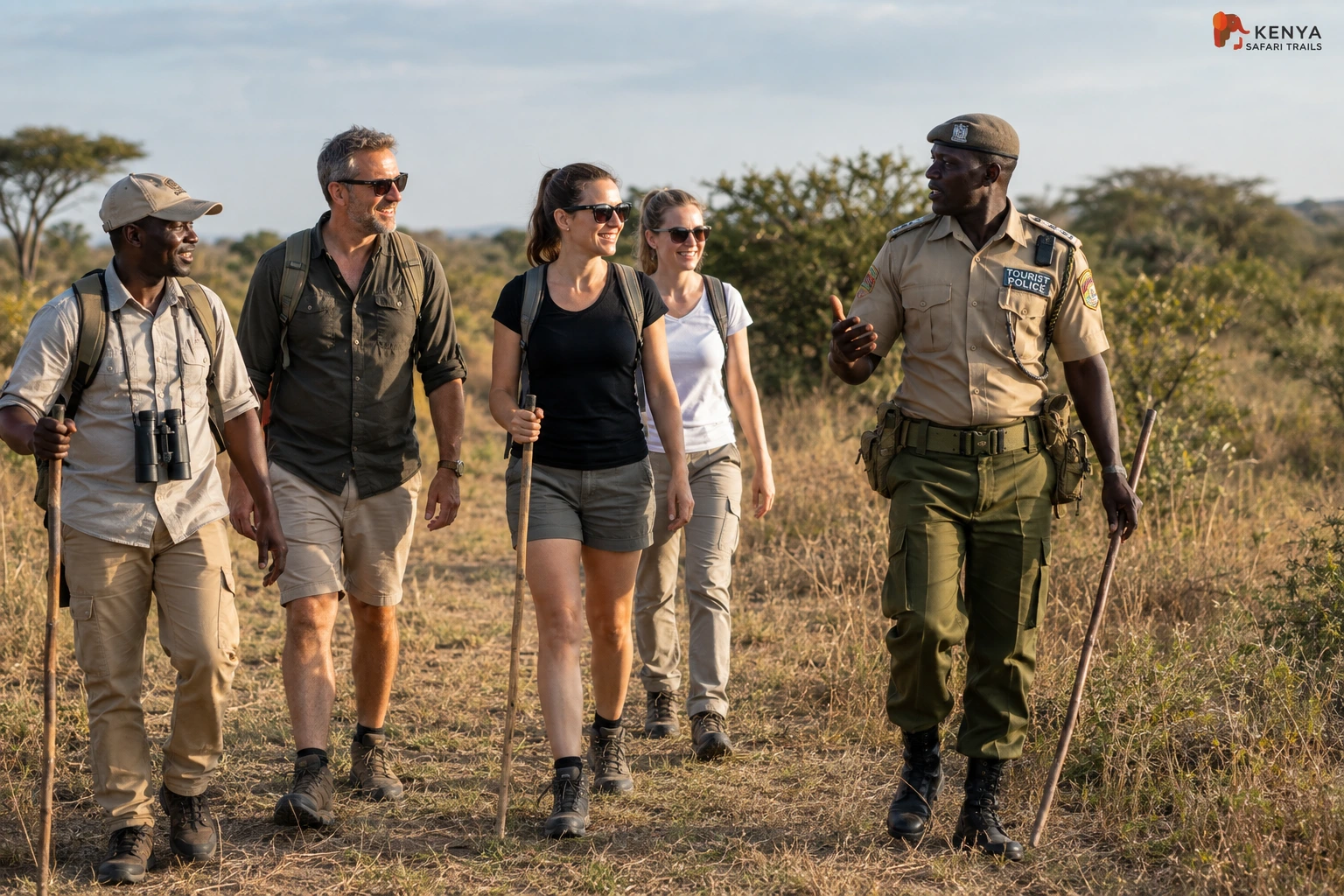
The Tourist Police Unit (TPU) is a specialised branch of the Kenya Police Service. TPU officers receive specific training to assist visitors and are deployed in key tourism hubs and along travel routes. The TPU's presence provides an additional security layer and a direct point of contact for travellers requiring assistance.
Why Fly-In Transfers Are a Safer Way to Start a Kenya Safari
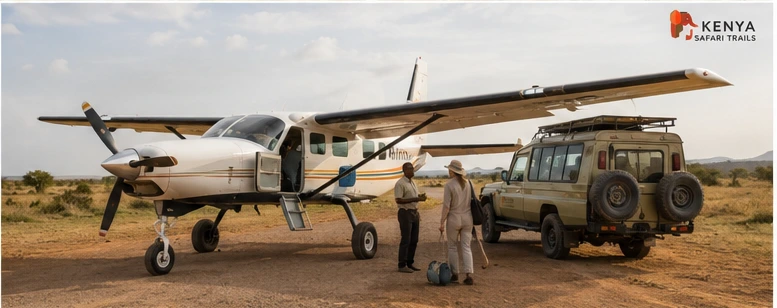
Fly-in transfers enhance the safety and efficiency of a Kenya safari. Most itineraries for Australian travellers begin at Jomo Kenyatta International Airport (JKIA) in Nairobi. A short road transfer takes you to the smaller, regional Wilson Airport.
Wilson Airport serves as the hub for all internal safari flights. A light aircraft flies you directly to an airstrip inside or near your destination park or conservancy. Your guide meets you at the airstrip, and your first game drive often begins within minutes of landing.
This travel method completely bypasses long-distance road travel from the city. It eliminates potential exposure to urban traffic or disruptions and is the most secure and time-efficient way to begin a safari.
Personal Safety Tips for Australian Travellers in Kenya
Kenya's safari industry maintains high safety standards, but personal diligence helps ensure a secure trip. Following these guidelines will contribute to a safe and enjoyable holiday. Check our guide to Kenya mandatory travel insurance so your cover meets the entry rules.
- At Your Lodge: Store valuables such as passports and electronics in the provided safe. Keep your tent or room locked when you are away or asleep.
- On Game Drives: Always follow your guide's instructions, as they are experts in animal behaviour. Remain inside the vehicle unless your guide confirms you are in a designated safe area.
- Around Camp: Never walk away from your camp or lodge unescorted. A guide or an askari (guard) must accompany you, as wildlife can be present at any time.
- Valuables: Avoid displaying large amounts of cash or expensive jewellery in public areas. Be aware of your surroundings in airports or towns.
- Health: Drink bottled water to stay hydrated. Wear a wide-brimmed hat and apply sunscreen to protect against the sun.
Kenya Safari Safety and Stability Key Facts
| Topic | Recommendation | Details for Australian Travellers |
|---|---|---|
| Government Advisory | Read, but understand context | Smartraveller warnings often apply to non-tourist border areas. |
| Safari Region Safety | High | Masai Mara, Amboseli, and Laikipia are geographically isolated from urban centres. |
| Political Stability | Stable | Political activity is confined to cities and does not impact remote safari areas. |
| Travel Method | Favour fly-in transfers | Flights from Wilson Airport bypass road travel and enhance security. |
How to Choose a Safe Kenya Safari Tour Operator
Your choice of safari operator is the most important safety decision you will make. A professional company acts as your risk manager, handling details from vehicle maintenance to guide certification.
Key Vetting Criteria
Verify that your chosen operator meets these standards:
- KATO Membership: The operator should be a member of the Kenya Association of Tour Operators (KATO), which enforces a strict code of conduct.
- Comprehensive Insurance: The company must hold public liability insurance and provide access to a 24/7 medical evacuation service.
- Certified Guides: The operator should employ experienced guides with accreditation from the Kenya Professional Safari Guides Association (KPSGA).
Before booking, ask the operator to describe their emergency communication systems and contingency plans. A professional company will provide a transparent and confident answer that confirms your well-being is their priority.
How to Prepare for Your Kenya Safari from Australia
Proper preparation before you leave Australia contributes to your safety and peace of mind. Organise the following key items well in advance of your departure date.
Organise Comprehensive Travel Insurance
Your travel insurance policy must explicitly cover safari activities, remote medical emergencies, and air evacuation. Standard travel insurance may not include these provisions, so it is important to verify the coverage.
Consult a Travel Doctor
Visit your doctor or a travel clinic 6-8 weeks before your trip to discuss necessary vaccinations and preventative medications, such as for malaria. Pack a personal medical kit with any required prescription drugs, pain relievers, and antiseptic wipes.
Register Your Travel Plans
Register your itinerary with the Australian Government's Smartraveller service. This allows the Department of Foreign Affairs and Trade to contact you in an emergency. Continue to monitor the Smartraveller advice for Kenya as your departure date approaches.