Tsavo red elephants are not a separate species; their colour comes from dust-bathing in the park's iron-rich volcanic soil. This behaviour provides the elephants with a natural sunscreen, insect repellent, and a way to regulate body temperature in heat exceeding 35°C. The elephants' red coating is a superficial layer of dust and mud that protects their naturally grey skin.
How Tsavo Elephants Turn Red
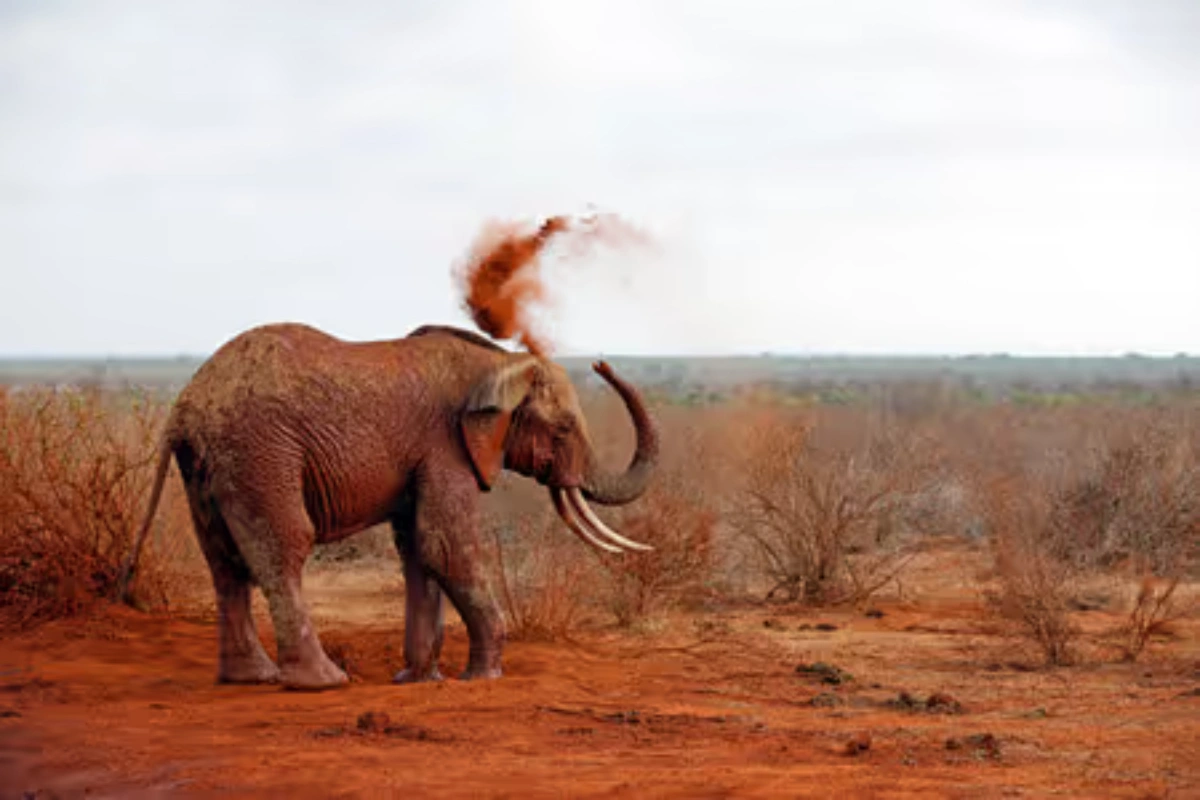
Tsavo's elephants become red by deliberately spraying the park's fine, red dust over their bodies with their trunks. They also wallow in waterholes, creating a thick mud from the soil that they apply to their skin. The dried mud forms a durable, protective layer.
The red colouration of Tsavo's elephants is entirely superficial and can mislead observers into thinking the animals are a unique subspecies. The red coating washes off completely after an elephant swims, revealing its natural dark grey skin. This knowledge highlights the behaviour as a survival strategy rather than a genetic trait.
What Tsavo's Red Volcanic Soil Contains
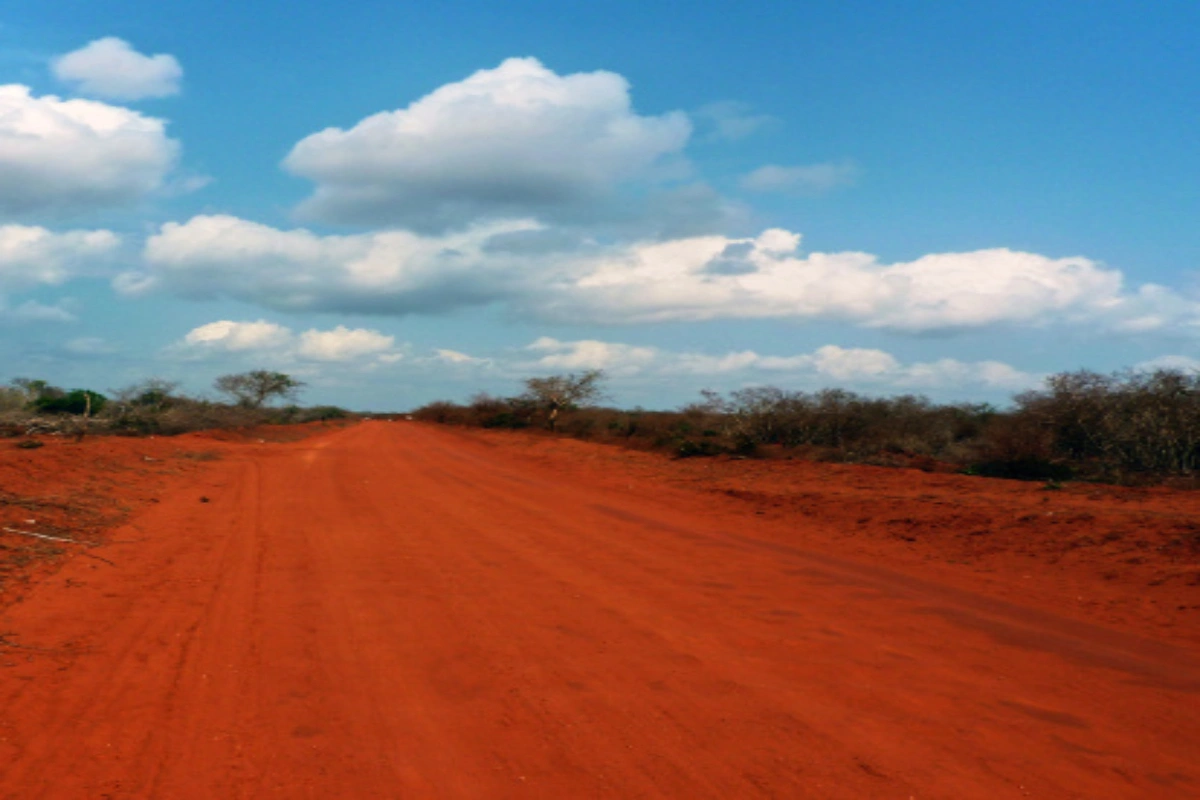
Tsavo's red volcanic soil is a laterite soil, rich in iron and aluminium oxides from weathered volcanic rock. A high concentration of iron oxides produces the soil's deep, rusty-red pigment. The soil's red and orange colours are produced when iron minerals oxidise, a chemical process similar to rusting.
The fine, powdery texture of Tsavo's volcanic soil helps the elephants' survival strategy. The soil's texture allows it to stick to their wrinkled skin effectively. This adhesion creates a better protective barrier than sandier soils found elsewhere in Africa.
Why African Elephants Dust Bathe and Wallow in Tsavo
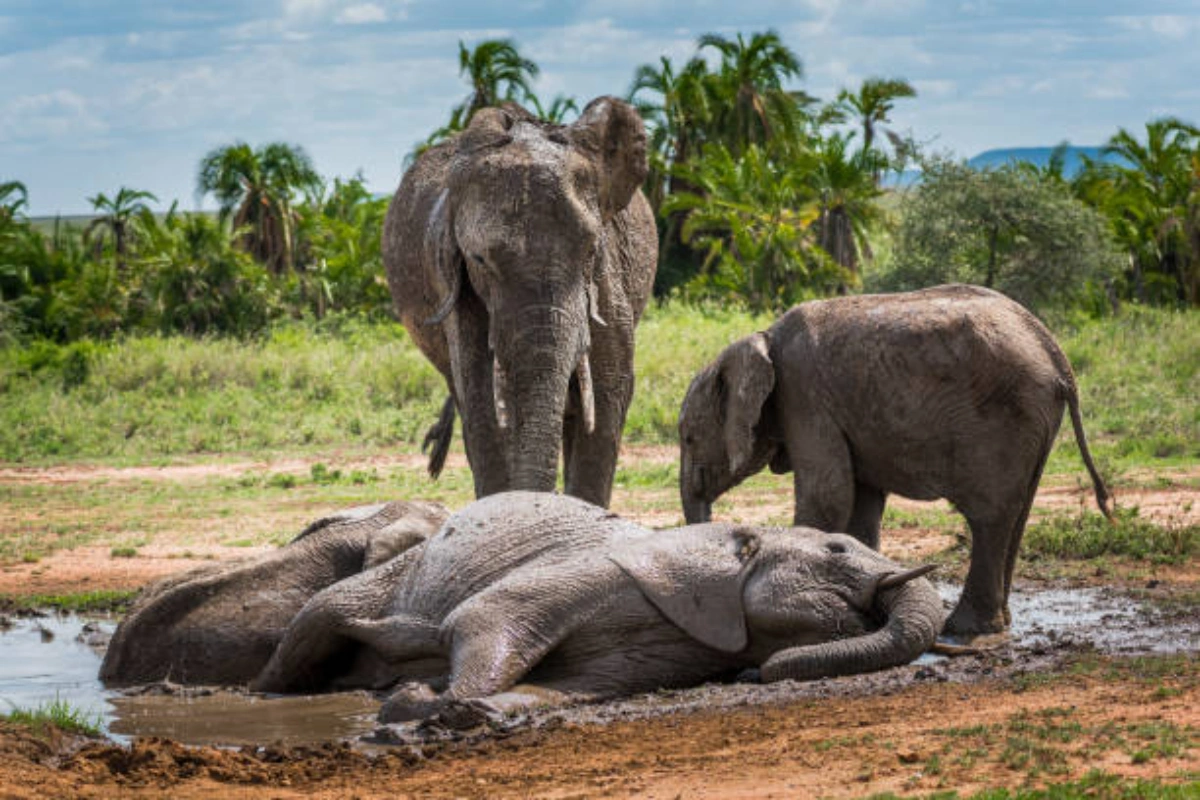
African elephants in Tsavo dust-bathe and wallow for skin care, thermoregulation, and social bonding. Dust bathing and wallowing are important behaviours for removing dead skin and dislodging parasites like ticks and mites. The practices take on a heightened importance in Tsavo's arid environment.
The mud coating is important for thermoregulation in temperatures that often exceed 35°C. Evaporation of water from the wet mud draws heat away from the elephant's body and helps prevent overheating. Group wallowing at waterholes also functions as a social event that strengthens bonds within elephant family herds.
Specific Benefits of Red Soil for Tsavo Elephants
The iron-rich red soil of Tsavo provides elephants with a multi-functional shield that protects them from specific environmental threats. The main benefits include sun protection, insect repellent, and temperature control.
- Sunscreen: The opaque layer of dried mud physically blocks intense equatorial UV radiation. This protects the elephants' sensitive skin from severe sunburn.
- Insect Repellent: A hardened mud barrier makes it difficult for biting insects, such as tsetse flies, to land and feed.
- Thermoregulation: The coating provides relief from extreme heat, helping the elephants to conserve water and energy.
Tsavo Elephant Traits Beyond Their Colour
Tsavo National Park's elephants are unique for the presence of 'tuskers' in their population. Tuskers are elephants, typically bulls, whose tusks grow long enough to almost touch the ground. Tsavo is one of the last remaining African strongholds for elephants with these genetic traits.
The high number of tuskers in Tsavo is a direct result of long-term, successful anti-poaching programmes. The park's conservation efforts allow bulls to live long enough to grow their tusks to their full genetic potential. Witnessing a tusker offers a rare photographic opportunity for wildlife enthusiasts.
Best Time to Observe Tsavo's Red Elephants
The best time to observe Tsavo's red elephants is during the long dry season from June to October. Viewing conditions are excellent during these months because thinner vegetation and scarce water sources cause wildlife to gather around rivers and waterholes. The animals' concentration in these areas makes them easier to find and observe.
The June to October period aligns with Australian mid-year school holidays, making it a good time for family safaris. A second, shorter dry season from January to February also offers excellent viewing opportunities. Travel during the wet seasons (March to May and November to December) is more difficult due to impassable roads and dispersed wildlife.
Safety When Viewing Tsavo's Red Elephants
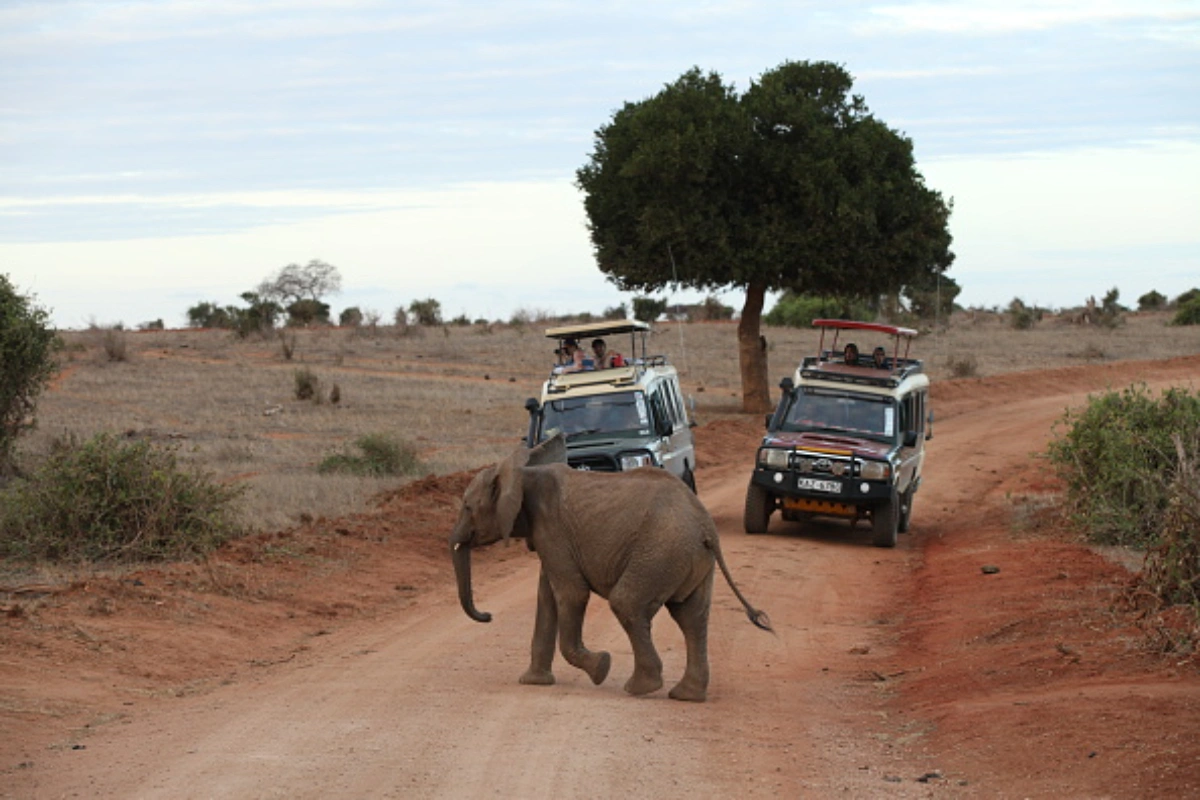
Viewing the red elephants in Tsavo National Park is a safe activity when conducted with a reputable safari operator and a professional guide. Kenyan national parks enforce strict safety protocols to protect both visitors and wildlife. An experienced guide understands elephant behaviour and maintains a safe, respectful distance from the animals.
The main safety rule requires visitors to remain inside their safari vehicle during game drives, except at designated viewpoints. Tsavo's elephants are habituated to vehicles and usually ignore them, which allows for clear photographic opportunities. Following the guide's instructions ensures a secure wildlife encounter.
How to Plan a Tsavo Red Elephant Safari from Australia
Planning a Tsavo safari from Australia involves selecting a safari operator experienced with long-haul travellers. The operator can build an itinerary that includes rest days and combines Tsavo with other Kenyan destinations. Popular itineraries pair Tsavo with Amboseli National Park or conclude with a beach stay in Diani.
Australian citizens must apply for a Kenyan Electronic Travel Authorisation (eTA) online before their departure. Travellers should also consult a doctor regarding necessary vaccinations and malaria precautions. Comprehensive travel insurance covering medical emergencies and safari activities is also a requirement.
Accommodation on a Tsavo Safari
Tsavo National Park offers accommodation for different budgets and preferences, including permanent lodges and tented camps. The choice of accommodation affects the level of comfort and proximity to the wilderness experience.
Safari Lodges
Safari lodges are permanent, hotel-style buildings often situated overlooking waterholes, making them a good choice for families. Lodges typically feature amenities like swimming pools and restaurants. The solid construction provides more separation from the bush compared to a tented camp.
Tented Camps
Tented camps provide an immersive wilderness experience with large canvas tents that include proper beds and private en-suite bathrooms. This accommodation style is well-suited for adventurers and honeymooners. The experience allows guests to hear the sounds of the surrounding bush clearly.
Eco-Lodges and Community Conservancies
Eco-lodges and community conservancies focus on sustainable tourism and support for local communities. These properties prioritise minimal environmental impact through practices like solar power. This option provides travellers with more insight into local conservation programmes.
Key Facts for Your Tsavo Safari
| Attribute | Details |
|---|---|
| Location | South-eastern Kenya, near the Tanzanian border |
| Best Time to Visit | June to October (long dry season) |
| Key Wildlife | Red Elephants, Lions, Leopards, Rhinos, Buffalo |
| Visa for Australians | Electronic Travel Authorisation (eTA) required |
| Currency | Kenyan Shilling (KES) |