



Maasai Market and Village Tours provide Australian travellers with direct engagement in Maasai culture. These tours combine ethical souvenir shopping with immersive village visits, offering a budget-friendly way to add cultural depth to a Kenyan holiday and support local communities directly.
Maasai Market and Village Tours
A Maasai Market is an open-air, often rotational, marketplace where artisans sell handmade traditional crafts directly to the public. The market is an opportunity to purchase authentic souvenirs like beaded jewellery, leatherwork, and the iconic Maasai 'shuka' (blanket). This type of visit focuses on commerce and artistry.
A Maasai Village Tour is an immersive visit to a traditional homestead, known as a 'manyatta'. This tour offers a first-hand perspective on the daily life, customs, and rich traditions of the Maasai people. A village tour is primarily an educational and cultural exchange experience.
For Australian travellers on a long-haul trip to Kenya, these tours add a significant layer of cultural depth to a safari. They provide a platform for genuine interaction, allowing you to meet local people and understand their heritage. Ethical participation contributes directly to the local economy, which makes your holiday more meaningful and responsible.
Where to Find Authentic Maasai Markets and Villages
Genuine, community-led cultural experiences are located in Nairobi and in regions surrounding major national parks. Authentic Maasai markets operate on a rotational schedule at different shopping centres throughout the week in Nairobi. The most respected village tours are run by Maasai communities that have established sustainable tourism initiatives.
The areas bordering the Masai Mara National Reserve and Amboseli National Park are prime locations for respectful village visits. Choosing experiences organised through reputable safari operators or community-based conservancies ensures your visit is welcomed. This model also guarantees that financial benefits flow directly back to the community, not to third-party brokers.
Nairobi Maasai Market Rotational Schedule
The main Maasai Market in Nairobi moves to a different location each day, providing artisans from various regions with regular access to buyers. For Australian travellers with only a day or two in the city before or after a safari, checking this schedule is necessary for planning. The typical weekly rotation provides a reliable guide for organising your visit.
| Market Location | Day of the Week | Key Features |
|---|---|---|
| Village Market (Gigiri) | Friday | Large, diverse selection in an upscale shopping centre complex. |
| High Court Parking (City Centre) | Saturday | A more central, bustling market experience with a wide variety of goods. |
| Yaya Centre (Hurlingham) | Sunday | Popular with locals and expatriates; good quality crafts. |
| Galleria Shopping Mall (Karen) | Tuesday | Convenient for those staying in the Karen area. |
You should always confirm the current schedule with your tour operator or hotel, as locations can occasionally change. Arriving earlier in the day often means fewer crowds and a more relaxed shopping experience.
Maasai Village Visits near Safari Parks
Many community-run manyattas are located near the entrances to major parks, making a Maasai village visit easy to integrate into your safari itinerary. Lodges and camps in the Masai Mara or Amboseli typically organise these tours as an optional half-day excursion. Booking through your safari guide or lodge ensures you are visiting a community that has a structured and ethical tourism programme.
These community-led initiatives offer an authentic glimpse into traditional life, from observing home construction to learning about medicinal plants and witnessing the famous 'adumu' (jumping dance). The entry fee directly funds community projects like schools, clean water access, or healthcare, making your visit a direct investment in the community's future.
How to ensure ethical Maasai cultural experiences
To ensure your cultural interactions are positive and respectful, engage with community-led initiatives. When choosing a village tour, ask your safari operator how the community benefits directly from your visit. A reputable tour will have a transparent system where entry fees support collective projects. You should avoid roadside 'villages' which can feel transactional and may not benefit the wider community.
When shopping at a Maasai market, buying directly from an artisan ensures they receive the full profit from their work. Practice fair trade by engaging in polite negotiation, but avoid aggressive haggling that devalues the artist's skill and time. Always ask for permission before taking photographs of people, especially children. A simple, friendly request shows respect and is almost always appreciated.
What to expect during cultural interactions and shopping
At a Maasai market, you will find a large array of traditional crafts. Key items include intricate beaded jewellery, handcrafted leather goods like sandals and belts, carved wooden sculptures, and the iconic red-and-blue checked Maasai shuka. Each piece often tells a story, with different colours and patterns holding specific meanings.
Polite negotiation is a customary part of the shopping etiquette. You can start by offering a price that is reasonably lower than the asking price and work towards a mutually agreeable figure. Showing genuine interest in the craftsperson and their work is a recommended approach.
During a village visit, interactions are more structured. You will typically be welcomed with song and dance, invited into a traditional home, and have the opportunity to ask questions about Maasai life. A local guide facilitates the experience, explaining different aspects of their culture. This tour is an educational experience designed for genuine cultural exchange.
How to integrate Maasai tours into a Kenya safari
A visit to one of Nairobi’s Maasai markets is a perfect activity for Australian travellers acclimatising after a long-haul flight. A market visit typically takes two to three hours and can be done the day before your safari begins.
A Maasai village tour is best integrated as a half-day activity during your stay in a national reserve like the Masai Mara. The tour provides a welcome change of pace from game drives and deepens your understanding of the landscape and its people. This activity is an invaluable educational experience for families travelling during Australian school holidays and adds a unique cultural memory for honeymooners. Your safari specialist can schedule these stops to work with your travel logistics.
Practical advice for Australian travellers
A few practical points will help ensure a smooth cultural experience. These tours are excellent additions to many itineraries, including budget-friendly group safaris, where they add significant value for a small cost. You must organise your Kenyan eTA online well in advance of your departure from Sydney, Melbourne, or Brisbane.
Pre-arranging village tours through your safari operator ensures you visit a reputable community. Market visits in Nairobi can be organised on the ground, but using your guide or a trusted driver is advisable for ease of navigation. Being prepared with a general understanding of the costs, etiquette, and logistics lets you focus on the experience itself.
Budget for Maasai Tours
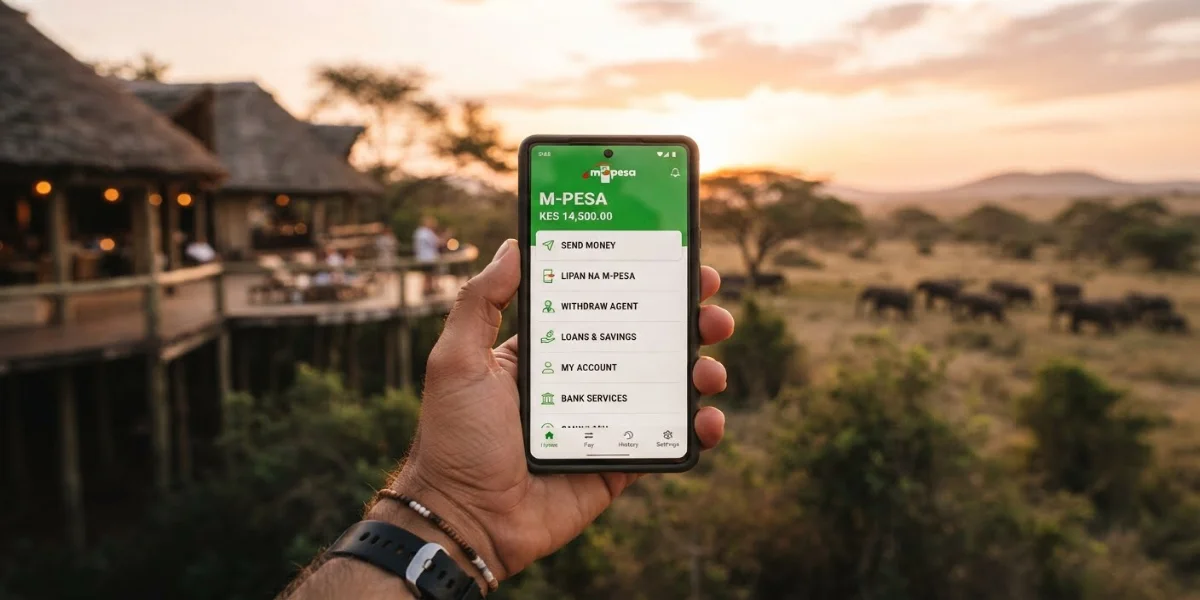
Australian travellers should budget for these experiences separately from their main safari package. A Maasai village visit typically involves an entry fee, paid directly on-site, which might range from AUD $30 to $50 per person as a direct community contribution. When shopping at the markets, carry Kenyan Shillings in small denominations. Having a budget in mind for souvenirs helps guide your purchases and ensures a fair exchange.
Cultural Etiquette for Engaging with the Maasai
Respectful interaction is fundamental to a positive experience for both visitors and hosts. Following a few simple guidelines will ensure your visit is welcomed.
- Ask Before Photographing: Always ask for permission before taking a photo of an individual. A guide can help facilitate this request. Do not offer money for a photo.
- Dress Modestly: When visiting a village, it is respectful for both men and women to wear conservative clothing that covers shoulders and knees.
- Accept Hospitality: You may be offered a welcome drink or invited into a home. Accepting graciously is a sign of respect.
- Engage with an Open Mind: Be prepared for cultural practices and living conditions that may be very different from your own. Approach the experience with curiosity.
- Purchase Thoughtfully: Buying crafts within the village makes a direct and impactful financial contribution to the community.
Maasai Markets Compared with Village Visits
A Maasai Market is primarily a commercial and artistic hub. The main purpose is to browse and purchase a wide variety of handmade crafts from numerous artisans in one location. The market is a busy environment focused on trade and artistry, with a visit typically lasting a couple of hours.
A Maasai Village tour is an immersive, educational experience focused on daily life and traditions. The primary purpose of a village tour is cultural exchange. You are a guest in a community, learning about their social structure and way of life through demonstrations and direct interaction. This experience is more intimate, usually takes half a day, and provides deeper cultural insight than a market visit.
How to maximise cultural value and budget on your tour
Aligning your time in Nairobi with the rotational market schedule allows you to visit a larger, more diverse market for the best selection of crafts. When visiting a village, you can ask your guide about smaller, less-frequented communities if you favour a more intimate interaction. Purchasing souvenirs directly from a village cooperative or a market artisan ensures your money has the maximum positive impact.
These tours offer exceptional cultural value for a minimal cost compared to other safari activities. The return in terms of understanding and authentic connection is immense. These experiences provide a holistic and memorable picture of Kenya that complements a wildlife-focused safari.
How to plan a safari with Maasai cultural tours
When you organise your safari, mention your interest in authentic cultural experiences to your specialist. Specify whether you prefer a market visit in Nairobi, a village tour near the Masai Mara, or both. This information allows your specialist to integrate the activity seamlessly into your itinerary, considering logistics like driving times and lodge locations.
Using local expertise is the best way to ensure your visit is ethical, respectful, and genuinely rewarding. A custom itinerary for a family holiday, honeymoon, or an adventure trip can be tailored to include these enriching cultural encounters, making your journey from Australia even more worthwhile.
To begin designing a safari that includes Maasai cultural tours, you can use our custom safari planner. For itineraries specifically curated to include these experiences, see our Maasai Market & Village Tours planner.