Australians require M-Pesa as a backup Kenya payment method. Kenyan national parks no longer accept cash, and the Australian Government's Smartraveller service warns that card facilities can be unreliable.
Most safari packages include park fees, but travellers must pay directly for add-on day trips or self-planned itineraries. This applies to excursions like visiting Nairobi National Park upon arrival.
This guide provides instructions for Australians on setting up M-Pesa, using the eCitizen online portal, and paying with international cards. Following these steps helps travellers manage payments for park fees and daily expenses.
Why M-Pesa is Your Essential Kenya Payment Method
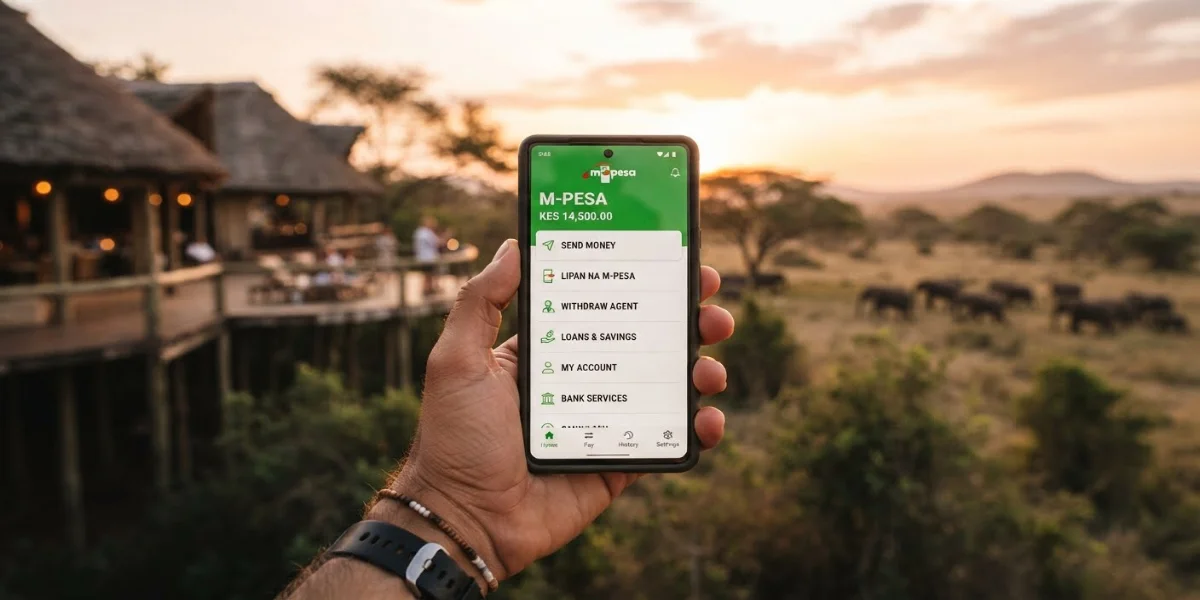
M-Pesa is a core component of Kenya's payment system for Australian travellers, not just another travel money option. The country operates as a largely cashless economy, with government services like national park entry mandating digital payments.
The Australian Government's Smartraveller service advises that park gates are cashless and card machines are often unreliable. Network issues in remote areas frequently cause card terminal failures, making card-only payment strategies risky.
M-Pesa, a mobile money service from Safaricom, functions as the most reliable backup payment method. The service works on a basic mobile signal, ensuring you can pay for park entry or local goods when card payments fail.
How Safari Packages Handle Park Fees and When Australians Pay Themselves
Most organised Kenya safari packages for Australians include all mandatory conservation fees for national parks and reserves. Tour operators calculate these costs and bundle them into the total holiday price.
Your guide typically handles all payments at park gates, so you do not need to manage the transaction. However, you will need to pay park fees yourself in a few specific situations.
- Add-on Day Trips: A visit to Nairobi National Park or the Giraffe Centre arranged before your main safari starts is usually an extra cost. You will be responsible for paying these entrance fees directly.
- Self-Guided Safaris: Travellers organising their own solo or group safari must pay all park fees at every entry point. This includes self-drive holidays.
- Optional Activities: An itinerary may list activities like a boat ride on Lake Naivasha as 'optional'. These activities often have separate entry fees not included in the main package.
Before travelling, always confirm with your tour operator which park fees the package includes and which are considered extras.
Kenya Payment Methods Accepted for National Park Fees (KWS, Masai Mara)
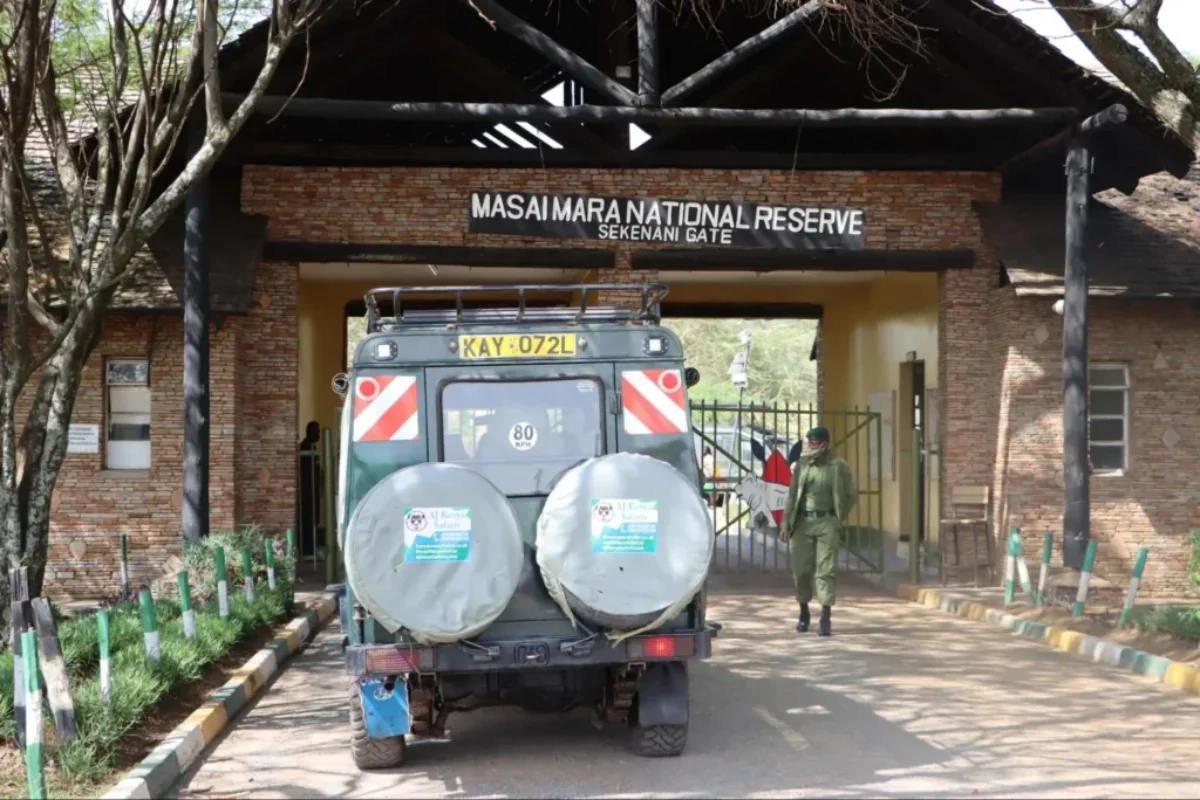
Kenya uses two primary management systems for its wildlife areas, which creates different payment procedures. The Kenya Wildlife Service (KWS) manages most national parks. Local county governments manage certain reserves, including the Masai Mara.
| Park Management | Primary Payment Method | Secondary/Backup Methods | Not Accepted |
|---|---|---|---|
| KWS Parks (e.g., Amboseli, Tsavo, Lake Nakuru) | eCitizen online portal (pre-payment by card) | M-Pesa (at the gate), Debit/Credit Card (at the gate) | Cash (of any currency) |
| Masai Mara National Reserve (Narok County) | M-Pesa or Debit/Credit Card (at the gate) | Some safari operators can pay on your behalf | Cash (of any currency) |
Kenya Wildlife Service (KWS) Parks
The official method for paying fees at KWS-managed parks, such as Amboseli National Park, is pre-payment online via the government's eCitizen portal. Pre-payment is the most reliable way to secure entry. M-Pesa and international bank cards are accepted at the gates, but card machine connectivity can fail in remote locations. This makes having a pre-paid eCitizen receipt or a funded M-Pesa account the safest approach.
Masai Mara National Reserve (Narok County)
Narok County manages the Masai Mara, so the reserve uses a different payment system and does not accept eCitizen payments. At the main gates, such as Sekenani or Talek, payment is made via M-Pesa or an international debit/credit card. Card machines here are not always dependable, which reinforces the value of having a functional M-Pesa account.
How Australian Tourists Set Up and Use M-Pesa in Kenya
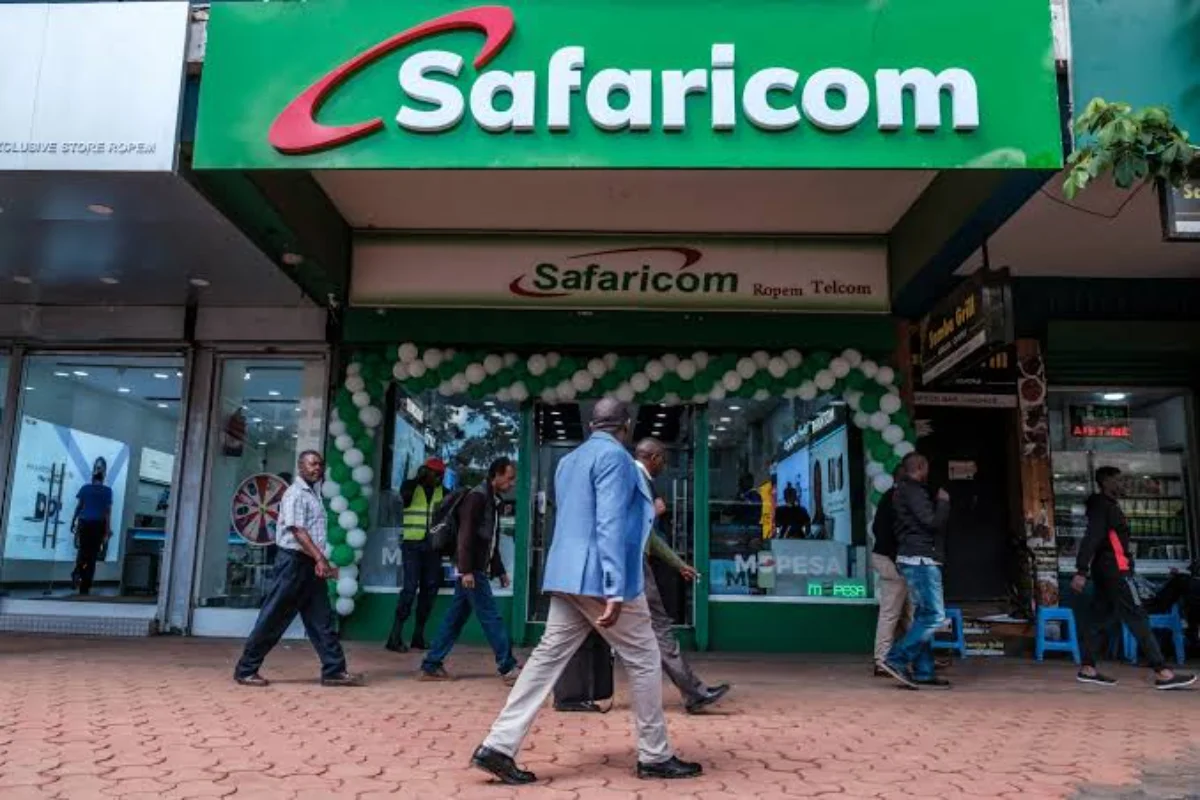
Australian visitors can set up M-Pesa upon arrival at Jomo Kenyatta International Airport (JKIA) in Nairobi. The process is straightforward and should be a priority after landing.
- Buy a Safaricom SIM Card: Visit an official Safaricom retail store, like the one in the JKIA arrivals hall. Do not buy from unofficial street vendors. You must present your passport for registration as a legal requirement.
- Register for M-Pesa: Ask the Safaricom staff to register you for M-Pesa when you buy your SIM card. The activation is free. You will create a 4-digit M-Pesa PIN for your account.
- Load Funds (Deposit Cash): You cannot link an Australian bank account to M-Pesa. To add funds, visit an official M-Pesa agent and give them Kenyan Shillings (KES) in cash. The agent will electronically deposit the funds, and you will receive an SMS confirmation.
- Make Payments: To pay a vendor, use the 'Lipa Na M-Pesa' (Pay with M-Pesa) feature. The vendor provides a 'Till Number' or 'Pay Bill Number'. You enter the number, the amount, and your PIN in the M-Pesa phone menu to complete the payment.
How Australians Pay KWS Park Fees Online via eCitizen
Paying KWS park fees in advance on the eCitizen portal is the most efficient method for self-planners. This system allows you to use an Australian credit or debit card and prevents payment issues at the gate.
- Create an Account: Go to the official eCitizen website and select the 'Foreign Visitor' option to create an account. You will need your passport details and an email address.
- Find the KWS Portal: After logging in, navigate to the list of government agencies and select 'Kenya Wildlife Service'. This action directs you to the park payment section.
- Select Your Park and Details: Choose the national park, date of entry, and number of adults and children. The system calculates the fee in US dollars but charges your card in Kenyan Shillings.
- Pay by Card: Proceed to the payment gateway and enter your Australian Visa or Mastercard details. The payment system is secure.
- Save Your Proof of Payment: After payment, save the receipt. You must either print the receipt or save a clear screenshot on your phone to present to the KWS official at the park gate for entry.
How Should Australians Use Cards and Wise in Kenya
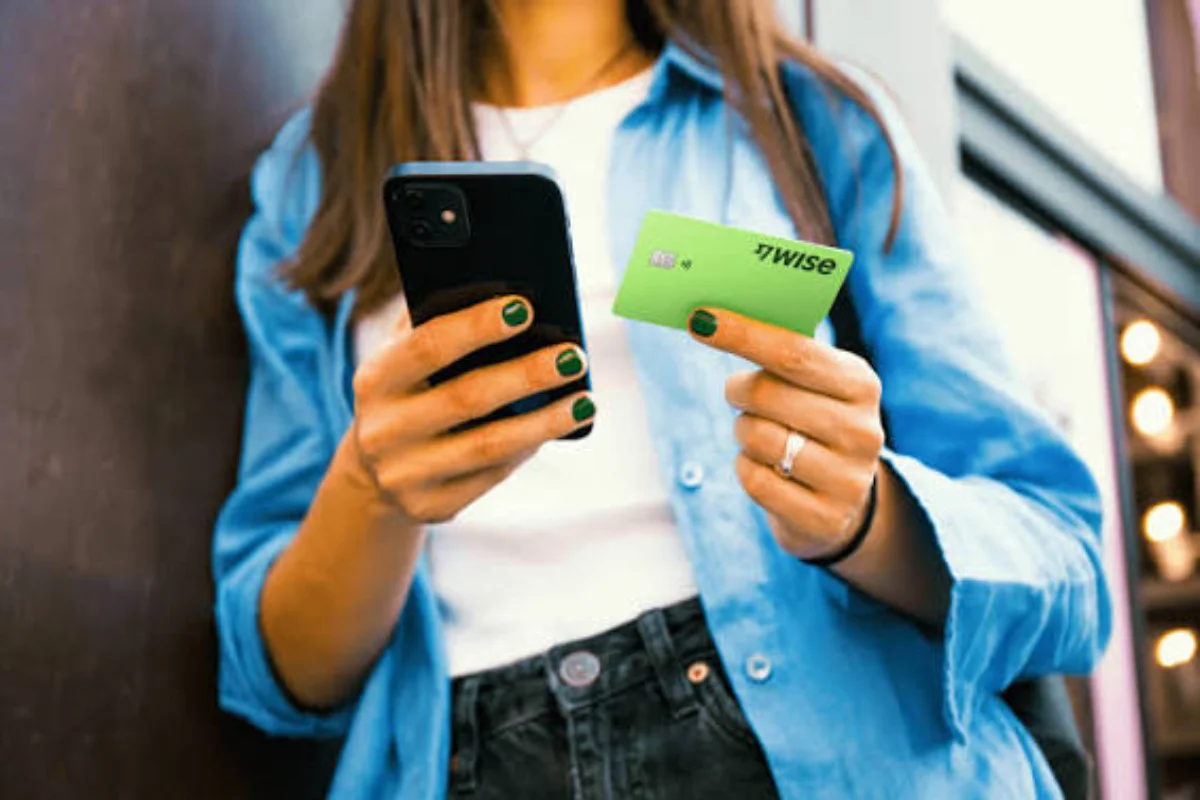
Australian debit and credit cards work best for large payments in established businesses. Use your card to settle bills at major hotels or pay in large city restaurants and shopping malls.
Card acceptance is low in smaller towns, markets, and remote safari camps due to poor network connectivity. You must also notify your Australian bank of your travel dates to prevent your card from being frozen for security.
Using an Australian card in Kenya incurs multiple fees, including currency conversion margins and foreign transaction fees of around 3%. ATM withdrawals may also have local bank charges.
A Wise card helps to reduce these costs. You can load Australian dollars onto a Wise account, convert them to Kenyan Shillings (KES) at a competitive rate, and spend directly in the local currency.
Withdraw cash only from ATMs inside bank branches or secure shopping centres, as advised by Smartraveller. ATMs dispense local currency and have withdrawal limits, which can make acquiring large amounts of cash expensive with a standard bank card.
Best Practices for Payments in Kenya
A smart payment strategy makes daily transactions in Kenya straightforward. Use this framework to decide which method to use for different purchases.
- Use M-Pesa for most daily expenses. M-Pesa is the preferred method for tipping guides and staff, buying drinks at a lodge, or purchasing souvenirs from a community market. Always ask for the recipient's phone number and confirm their name before entering your PIN.
- Use your Australian or Wise card for large, formal payments. Settle your final bill at a city hotel or large safari lodge with your card. Always have a backup payment method like M-Pesa or cash in case the card terminal is offline.
- Use cash for minor purchases. Small-denomination cash notes are useful for buying a bottle of water or other small items where M-Pesa is not an option. You can get smaller notes by making a purchase in a supermarket or asking an M-Pesa agent when you deposit funds.
Essential Money Safety Advice for Australian Tourists in Kenya
Kenya is a safe destination, but tourists should take standard precautions with their money. Smartraveller provides guidance that all Australians should follow for financial safety.
- Use Secure ATMs: Only withdraw cash from ATMs in guarded locations like bank foyers or major shopping centres. Avoid standalone ATMs on the street, particularly at night.
- Protect Your PIN: When entering your PIN at an ATM or card machine, always cover the keypad with your other hand to shield it from view.
- Beware of Scams: Be cautious of anyone posing as an official who asks to see your foreign currency or demands a fine. Insist on going to an official police station to handle any such matters.
- Carry Limited Cash: Carry only the amount of cash you need for the day. Store remaining cash, backup cards, and your passport in your hotel safe.
How to Create a Payment Strategy for Your Kenya Safari
A successful payment strategy for Kenya involves a three-tiered approach to manage the country's cashless economy. This preparation prevents payment issues and allows you to focus on your safari.
First, pre-pay KWS park fees online using the eCitizen portal before you leave Australia. Second, set up M-Pesa when you arrive in Kenya for daily spending and as a reliable backup. Third, use a Wise card or standard credit card for large payments at hotels and established businesses.
Before travelling, confirm with your safari operator which park fees and activities are included in your package. This check clarifies your budget and what you will need to pay for directly.
Frequently Asked Questions
Is M-Pesa safe for tourists to use?
Yes, M-Pesa is very safe. The system is PIN-protected, and every transaction generates an instant SMS confirmation for both the sender and receiver, creating a clear digital trail.
Can I get M-Pesa without a Kenyan ID?
Yes. As a tourist, you can register for a Safaricom SIM card and M-Pesa using your valid Australian passport. This is a standard procedure at any official Safaricom store.
Do safari lodges and camps take credit cards?
Most mid-range to luxury safari lodges and camps accept major credit cards like Visa and Mastercard. Smaller or more remote camps may have unreliable connections or prefer M-Pesa. Always confirm their preferred payment methods before your stay.
Should I carry US dollars to Kenya?
US dollars are the standard currency for park fee pricing, but you cannot use USD cash for payment. All transactions are completed in Kenyan Shillings (KES) via card, M-Pesa, or the eCitizen portal. A small amount of USD may be useful for your eTA on arrival, but KES is the required currency for all other spending.