Amboseli National Park Bush Flight Luggage Limits enforce a strict 15 kg (33 lbs) per person. This total weight allowance includes all hand luggage and requires passengers to use soft-sided duffel bags. The luggage restrictions exist due to the limited cargo space on small safari aircraft, such as the Cessna Caravan, ensuring flight safety.
Australian travellers can manage this limit by wearing heavier clothing on the flight and using secure luggage storage facilities in Nairobi for non-safari items. These strategies are important for a smooth check-in process for your family safari in Kenya.
Exact Amboseli Bush Flight Luggage Limits
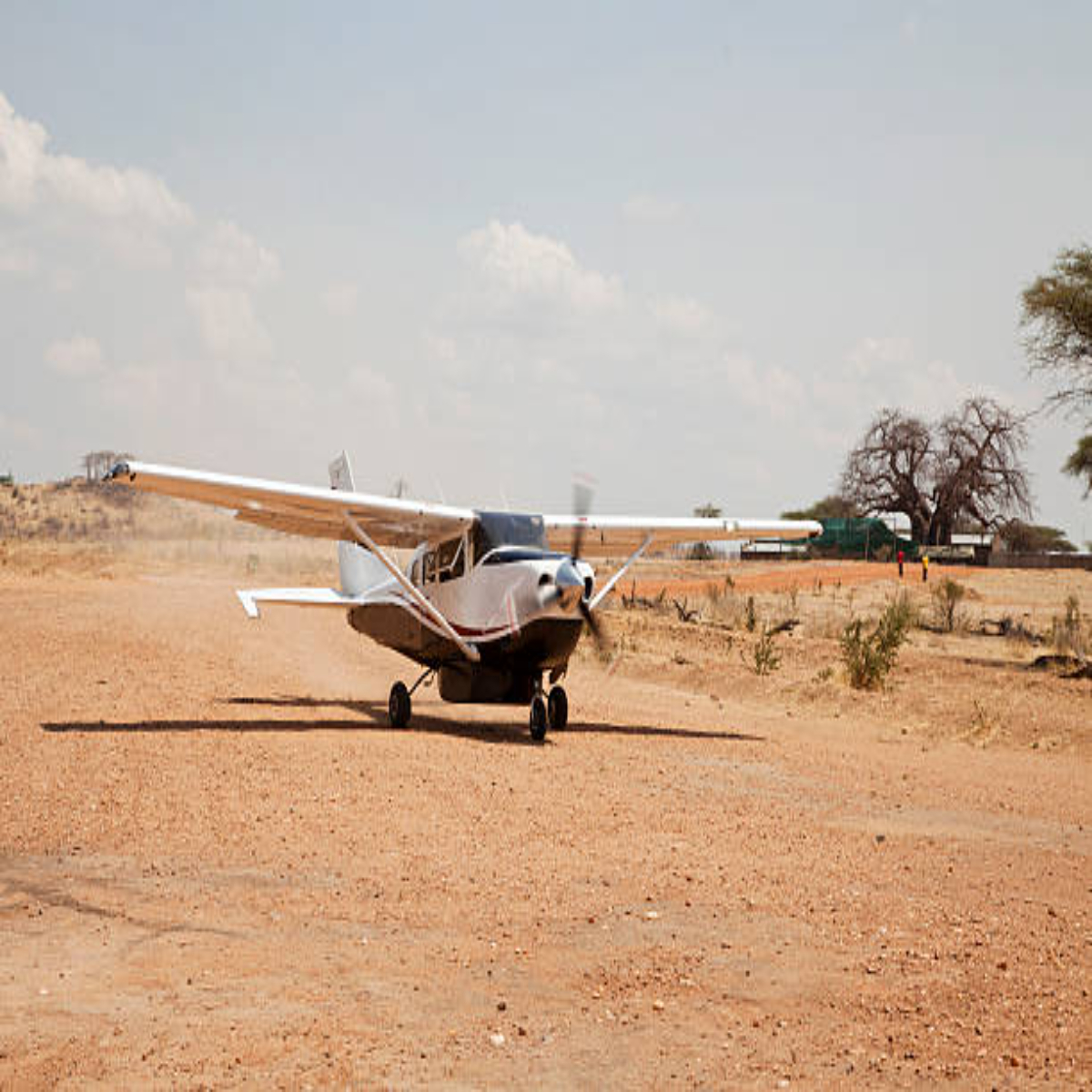
The baggage allowance on light aircraft to Amboseli National Park is a strict 15 kilograms (33 pounds) per passenger. The total weight includes all checked bags, hand luggage, camera equipment, and personal items combined. Airlines provide no separate allowance for carry-on bags.
This weight limit is non-negotiable and exists for flight safety. Small safari aircraft, like the Cessna Caravan, require precise weight and balance calculations for safe operation on short, unpaved airstrips. Compliance with the packing limits maintains the flight's operational integrity.
Why Bush Flights Need Soft Duffel Bags
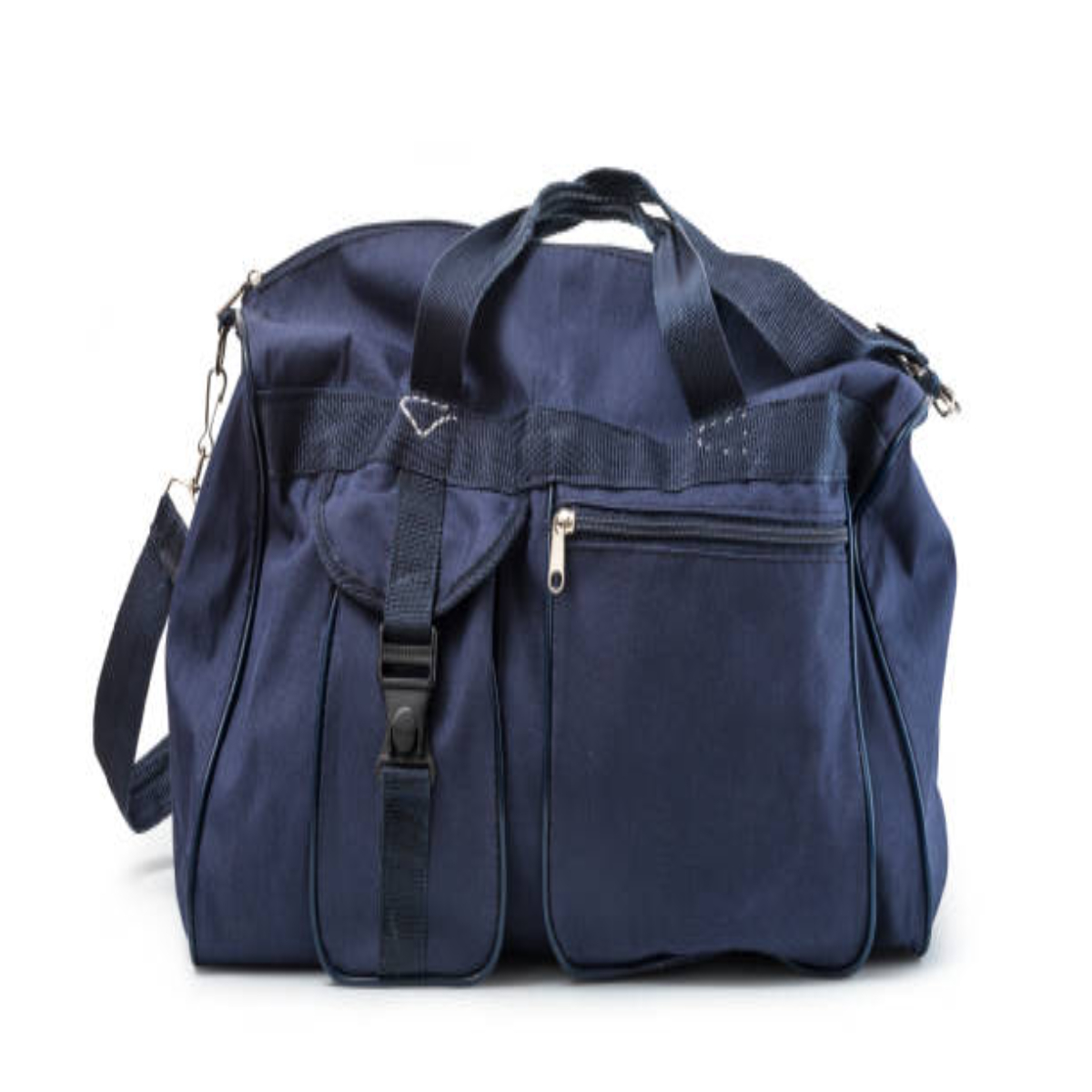
Soft-sided bags are mandatory for bush flights because of the small, irregularly shaped cargo pods on safari aircraft. Hard-shell suitcases feature rigid frames and cannot be manipulated to fit into the constrained luggage compartments. The design of these aircraft holds necessitates flexible luggage.
Ground crews can easily stow pliable, soft-sided duffel bags to maximise space and ensure secure packing. Airlines will reject hard-shell suitcases at check-in, which causes travel delays. A frameless duffel bag is a required item for any internal safari flight in Kenya.
How to Pack for a Family Safari Within Luggage Limits
Wear Your Heaviest Items on the Flight
Australian families travelling for a family safari in Kenya can save considerable luggage weight by wearing their heaviest items. Your hiking boots, a warm fleece or safari jacket, and long trousers should be worn during the flight from Nairobi to Amboseli. This technique can free up 2-3 kgs of luggage allowance per person.
Choose and Consolidate Clothing and Toiletries
Packing lightweight, multi-purpose clothing that can be layered is an effective strategy. Prioritise quick-dry synthetic shirts and merino wool items for changing temperatures. Families should consolidate shared items like sunscreen, insect repellent, and first-aid supplies to avoid duplication.
Many safari camps provide complimentary shampoo, conditioner, and soap. Confirming these amenities with your tour operator before you travel allows you to leave unnecessary toiletries at home and save space.
Organise Children’s Gear and Electronics
The same packing principles apply to children's gear, which counts towards an adult's allowance if the child does not have a paid seat. Consolidate family electronics into a single pouch. Use one universal charging block with multiple USB ports instead of individual plugs for each device to reduce weight and bulk.
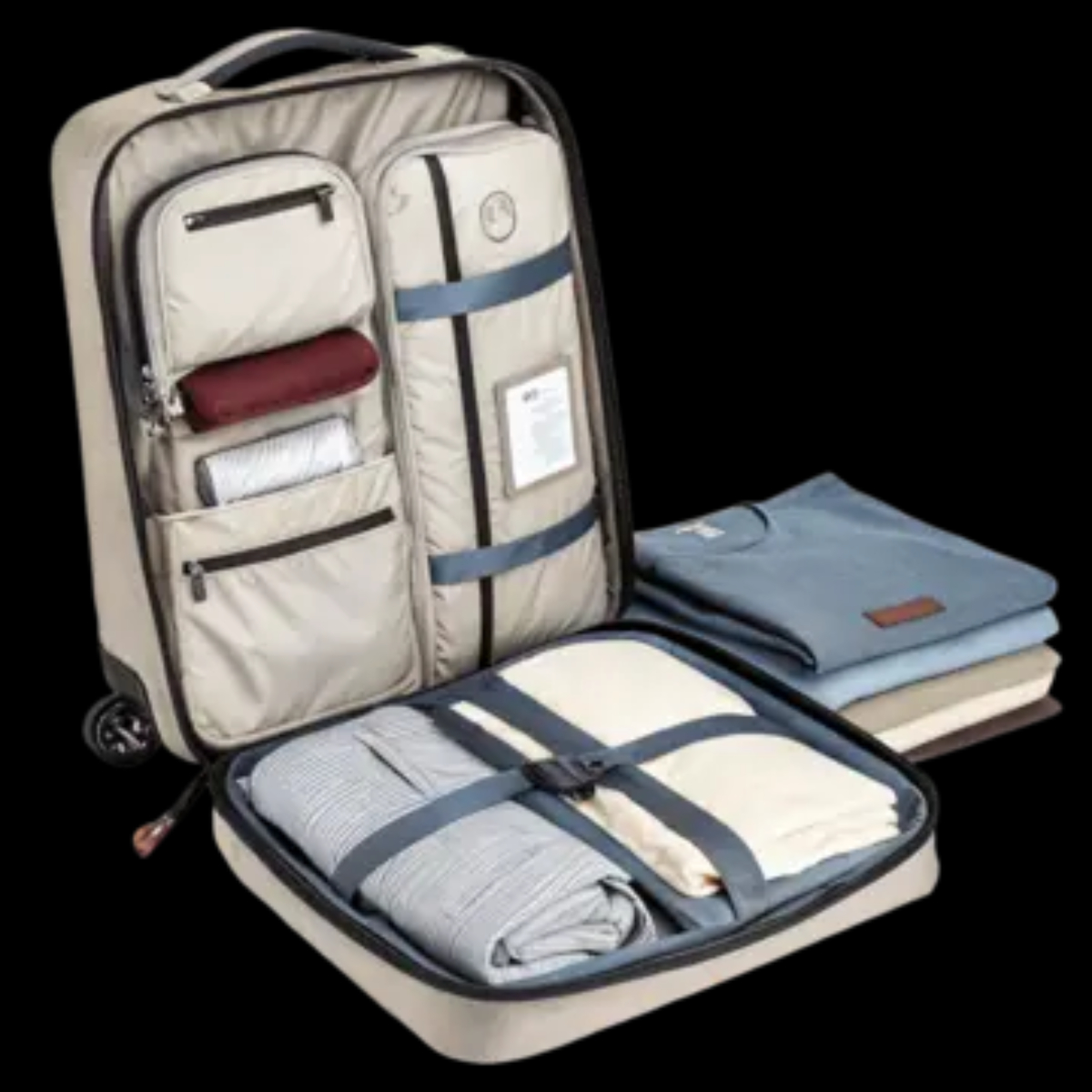
Packing cubes help organise items by family member and manage volume, which prevents any single bag from becoming overweight. This structured approach simplifies packing for multiple people within a strict weight limit.
Storing Excess Luggage in Nairobi
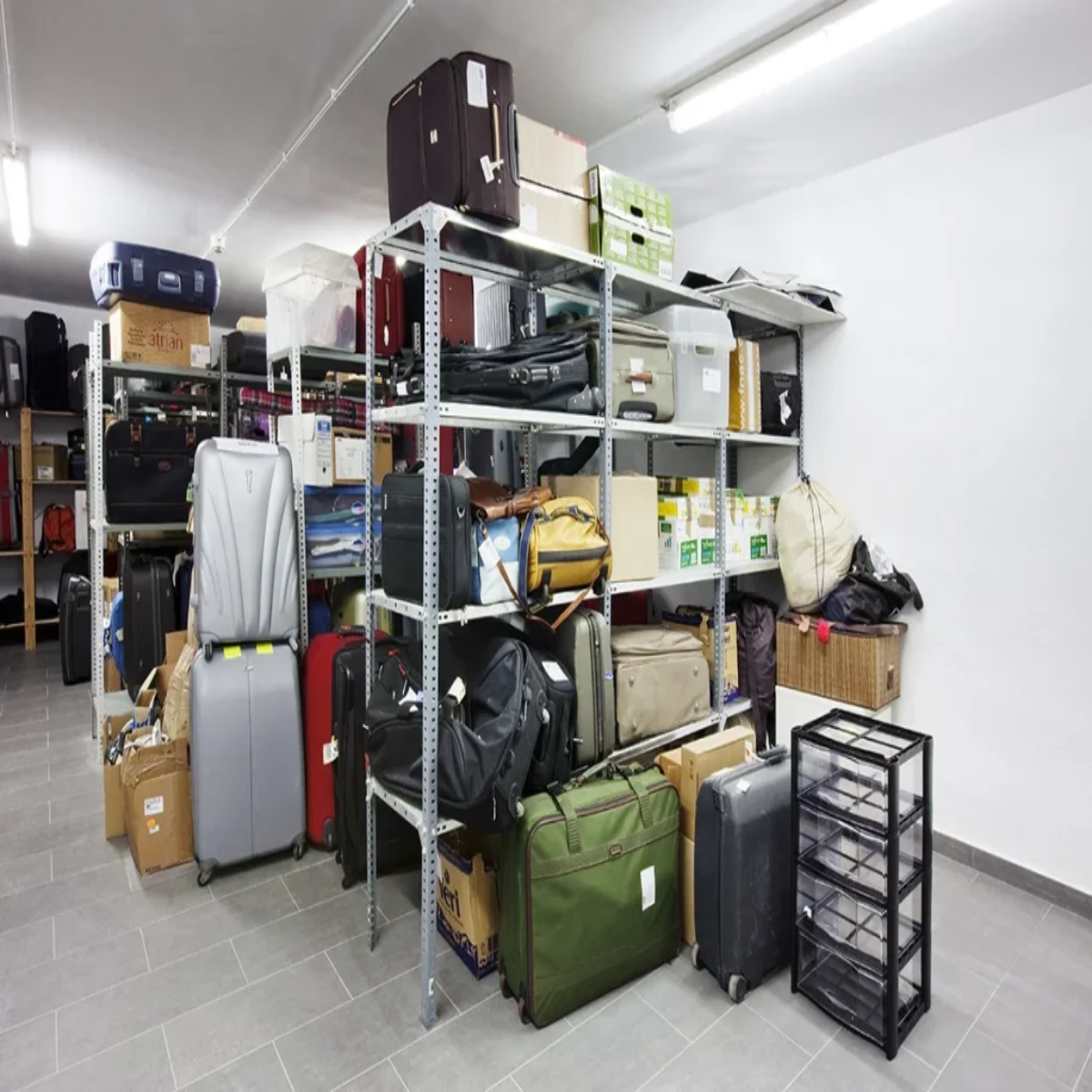
Australian travellers with luggage exceeding the safari flight limit have secure storage options in Nairobi. Most safari itineraries begin and end in the capital, making luggage storage a convenient part of the travel plan.
Many Nairobi hotels offer a complimentary luggage storage room for guests staying with them before and after a safari. Alternatively, Jomo Kenyatta International Airport (JKIA) has secure storage facilities available for a daily fee. Travellers using these services should confirm operating hours for collection.
Luggage over the 15 kg Bush Flight Limit
Arriving at the check-in counter with overweight or oversized luggage will disrupt your travel plans. Paying an excess baggage fee is not an option on these flights, as the restrictions relate to aircraft weight safety limits and physical space, not airline policy.
The airline will likely refuse to load any bag over the 15 kg limit. The crew may require you to leave the excess weight behind. In some situations, the airline might offer to fly the bag on a later flight if space becomes available, but this is not guaranteed and may leave you without items for part of your safari.
Luggage Rules Across Kenyan Safari Parks
The 15 kg per person limit in soft-sided bags is the standard luggage rule across Kenya's safari flight network. Travellers flying to the Maasai Mara, Samburu, or Laikipia will encounter the same requirement. This consistency simplifies planning for a multi-destination family safari in Kenya.
Travellers should always confirm the exact allowance with their specific safari operator or charter airline. Minor variations can exist for private charters or flights to exceptionally remote airstrips. Your operator will provide the definitive guidance for each flight on your itinerary.
Luggage Rules for Infants on Amboseli Bush Flights
Infants travelling on a parent's lap on bush flights do not receive a separate luggage allowance. All infant essentials, including nappies, formula, and clothing, must be packed within the accompanying adult's 15 kg weight limit. This policy requires careful planning for families with very young children.
Carriage for larger items like collapsible prams or car seats must be discussed with your safari tour operator well before your travel date. Some small aircraft do not have space to accommodate such items, and the operator may need to organise alternative ground transfer arrangements.
Amboseli Bush Flight Luggage Rules Summary
| Guideline | Specification | Reason |
|---|---|---|
| Weight Limit | 15 kg (33 lbs) per person | Aircraft safety and balance |
| Total Allowance | Includes all hand luggage | No separate carry-on allowance |
| Bag Type | Soft-sided duffel bag only | Fits in irregular cargo pods |
| Infant Allowance | None (included in adult's 15 kg) | Infants travel on adult's lap |
How to Finalise Your Amboseli Flight Logistics
Adhering to the bush flight luggage guidelines ensures a smooth start to your safari in Amboseli. With your packing strategy organised, the next step is to confirm all logistical details with your safari operator. The operator is the best source for the most current information about your specific flights and transfers.
After confirmation, you can complete your packing list with confidence. Proper preparation allows you to focus on the experience, from the views of Mount Kilimanjaro to the wildlife on the plains of Amboseli.