The best Kenya cheetah safari is the open plains of the Masai Mara. Nairobi National Park, Samburu, Tsavo East, Amboseli, and Meru also offer Australian travellers good opportunities to see the wild adults of the species born as cubs at Taronga Western Plains Zoo in July. Spotting a wild cheetah connects the conservation work seen in Australia with the reality of survival on the African savanna. This guide provides a ranked list of the top locations and the knowledge needed to make a sighting more likely.
Why Masai Mara is the Best Kenya Cheetah Safari Destination
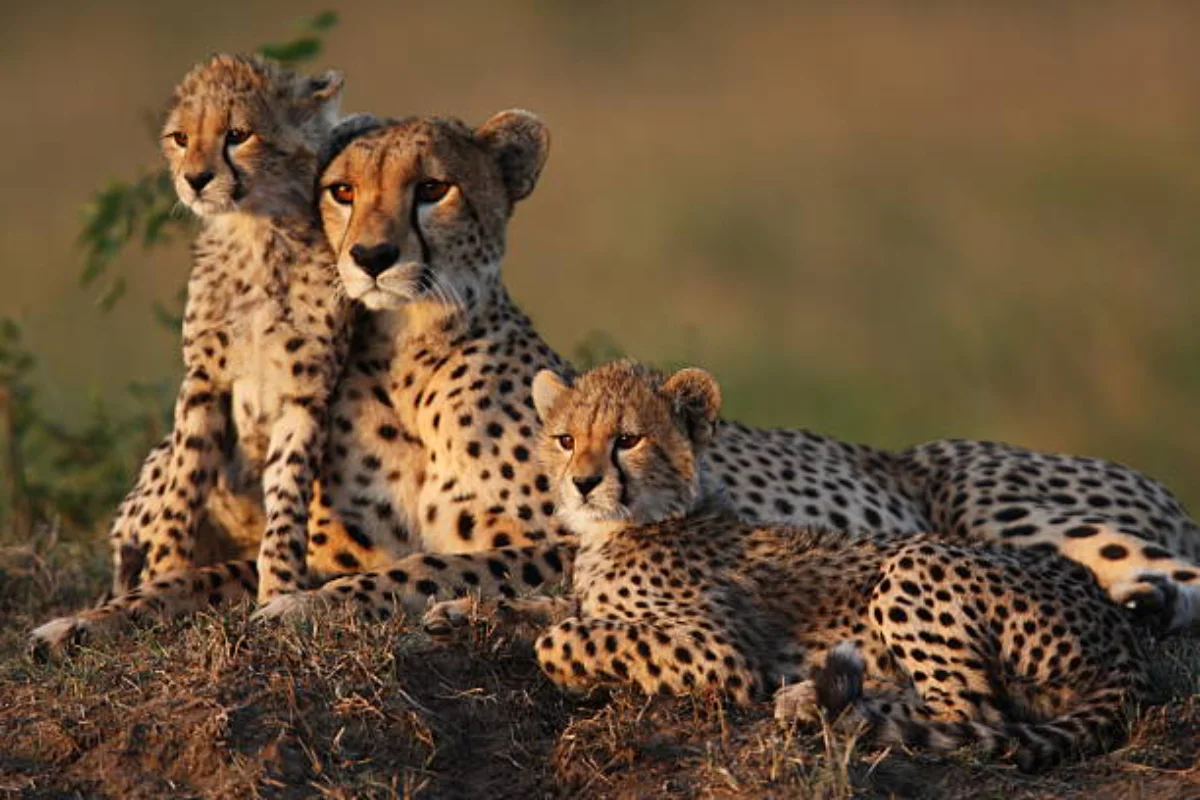
The Masai Mara National Reserve, with its surrounding community-run conservancies, is the most dependable place in Kenya for seeing cheetahs. The ecosystem's vast, open short-grass plains are the ideal hunting ground for the world's fastest land animal.
This landscape provides clear lines of sight for cheetahs to spot prey, such as Thomson's gazelles and impala, and the space needed to execute high-speed chases. A 3-day safari in the Mara offers a strong possibility of a sighting, while longer stays increase the chances of witnessing a hunt.
Prime Cheetah Viewing Habitats and Seasons in the Mara
Cheetahs in the Mara favour the expansive grasslands and avoid dense thickets where lions and leopards hold an advantage. Safari guides focus on areas with scattered acacia trees and prominent termite mounds, which cheetahs use as elevated vantage points to scan for prey and danger.
The best viewing times are the dry seasons, from June to October and December to February. During these months, short grass improves visibility, and prey animals concentrate around diminishing water sources, making predator activity more predictable.
Masai Mara Cheetah Dynamics and Conservation
The Mara's healthy prey base supports a significant cheetah population, allowing for frequent observations of mothers with cubs, solitary males, and small male coalitions. This ecosystem is a critical research area for organisations like the Mara-Meru Cheetah Project, which monitors the population and works to mitigate human-wildlife conflict.
Choosing a camp in one of the private conservancies that border the main reserve provides more exclusive sightings with stricter vehicle limits. This choice contributes directly to local conservation efforts and community funding.
Cheetah Sightings in Nairobi National Park
Nairobi National Park offers a unique opportunity to photograph a wild cheetah with a city skyline in the background. The park provides Australian travellers with a day to spare in the capital a genuine opportunity to see cheetahs without a long journey to a remote reserve.
Urban and Wild Encounters
The park’s southern plains, which feature open savannah and scattered acacia bush, are the primary habitat for its resident cheetahs. Sightings are most common in the early morning or late afternoon. A half-day game drive is often enough to explore the key areas where these cats are known to hunt.
What are the Conservation Challenges in Nairobi?
The cheetahs of Nairobi National Park face threats from urban expansion. The park is only partially fenced, and as Nairobi grows, human-wildlife conflict increases. Cheetahs sometimes roam outside park boundaries, leading to conflicts with livestock farmers. The Kenya Wildlife Service (KWS) and local conservation groups manage these challenges through community engagement and monitoring.
Samburu National Reserve's Cheetah Population
Samburu National Reserve, located in Kenya's arid north, offers a different and more rugged safari experience. The cheetah is a key predator in this ecosystem, drawn by prey that congregates along the Ewaso Ng'iro River. Seeing a cheetah hunt here provides insight into survival in one of Kenya's harsher frontiers.
How does the Environment Affect Cheetah Behaviour?
Samburu's sparser vegetation can make spotting cheetahs easier than in denser bushland, though their camouflage is effective against the sandy soil. The cheetahs here hunt prey like the gerenuk and Grevy's zebra. Guides are skilled at tracking them across the dry terrain, often finding them resting in the shade of acacia trees or on rocky kopjes.
Best Times for Cheetah Spotting in Samburu
The long dry seasons are the best periods to visit Samburu for cheetah sightings. From late May to October and again from December to March, scarce water forces wildlife to congregate along the Ewaso Ng'iro River. This concentration makes animal movements more predictable and increases the chances of encountering predators.
Seeing Cheetahs in Tsavo East National Park
Tsavo East is one of Kenya's oldest and largest parks, a wilderness of semi-arid plains defined by its 'red earth' soil. For Australian travellers who favour a less crowded safari, Tsavo East presents a rewarding challenge. Its size means cheetah sightings are less frequent than in the Mara, but encounters are more private.
Key Cheetah Habitats in Tsavo East
The park's southern section, particularly the area around the Voi River and Aruba Dam, contains the open savannah that cheetahs prefer. The flat, expansive terrain is ideal for their hunting style. The park's vastness requires patience and the expertise of a knowledgeable guide to locate cheetahs.
Seasonal Considerations for Sightings
The dry seasons from June to October and January to February offer the best conditions for wildlife viewing in Tsavo East. During these periods, the vegetation thins out, and animals gather at permanent water sources like the Galana River and Aruba Dam. This concentration of prey and predators makes it easier for guides to locate cheetahs.
Amboseli National Park as a Cheetah Habitat
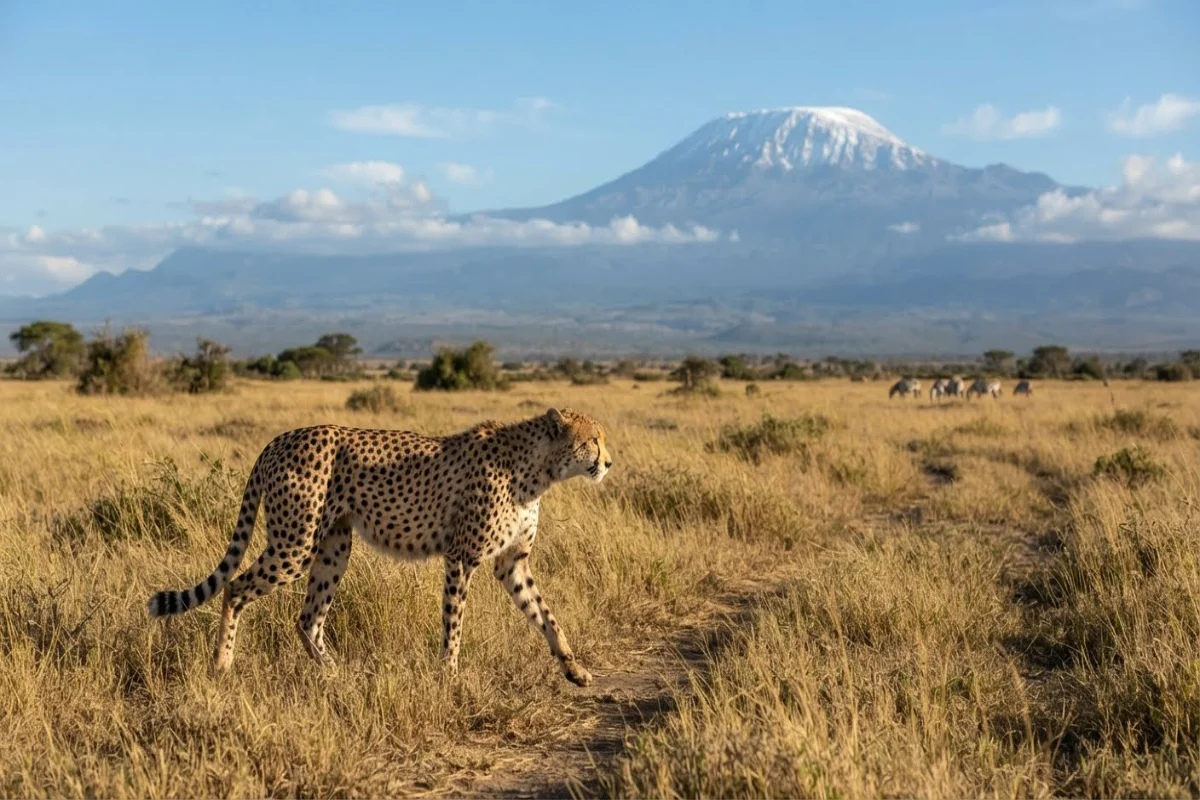
Amboseli is known for its large elephant herds and views of Mount Kilimanjaro. The park's open plains, acacia woodlands, and dry lakebeds also provide a suitable habitat for cheetahs. The opportunity to photograph a cheetah with the snow-capped mountain in the background is a significant attraction.
Where to Find Cheetahs in Amboseli
Cheetahs in Amboseli are often found on the periphery of the park's central wetlands, hunting gazelles and other small antelope. The scattered acacia woodlands offer them shade and cover for ambushing prey. Observation Hill provides panoramic views over the plains, from which guides can scan for predator activity.
Combining Cheetah and Elephant Viewing
An Amboseli safari itinerary can maximise opportunities for seeing both elephants and cheetahs. Morning game drives can focus on the open plains in search of cats. Afternoons can be spent closer to the swamps where large elephant families congregate. A guide will plan routes to cover diverse habitats based on species' daily movements.
Meru National Park's Cheetah Conservation History
Meru National Park is historically significant for cheetah conservation, as it is where Joy and George Adamson rehabilitated the cheetah 'Pippa'. After a period of decline, restoration efforts have made Meru a thriving park with a rich diversity of habitats. These habitats support a healthy, though little-visited, cheetah population.
Joy Adamson's Legacy and Park Recovery
Joy Adamson's work brought global attention to the cheetah's vulnerability. The park’s subsequent recovery, led by the Kenya Wildlife Service, is a major conservation success. A visit to Meru offers a connection to this history of wildlife conservation.
Current Viewing Prospects in Meru
Meru supports a stable, breeding population of cheetahs. The animals are most often seen in the park's open grassland areas. Due to lower visitor numbers compared to the Mara or Amboseli, sightings in Meru are often intimate and extended. The best times to visit are during the dry seasons.
Best Time to Spot Cheetahs in Kenya
The best time to see cheetahs in Kenya is during the two main dry seasons: from June to October and from December to February. The June to October period is significant in the Masai Mara, as it coincides with the Great Migration of wildebeest and zebra, which provides abundant prey for predators. This peak season aligns with mid-year Australian school holidays, requiring bookings up to a year in advance. Travellers should consult a safari specialist about potential weather pattern shifts.
Advantages of the Dry Season
During dry months, vegetation is sparse and grass is shorter, which improves visibility. Temporary water sources dry up, forcing animals to congregate around permanent rivers and waterholes. This concentration of prey species attracts predators like cheetahs, making their activities easier to locate.
Daily Rhythms of Cheetah Hunts
Cheetahs are primarily diurnal, hunting during the day to avoid competition from nocturnal predators like lions and hyenas. The most productive times for game drives are the first few hours after sunrise and the last few hours before sunset. During these cooler periods, cheetahs are most active.
How Safari Guides Track and Find Wild Cheetahs
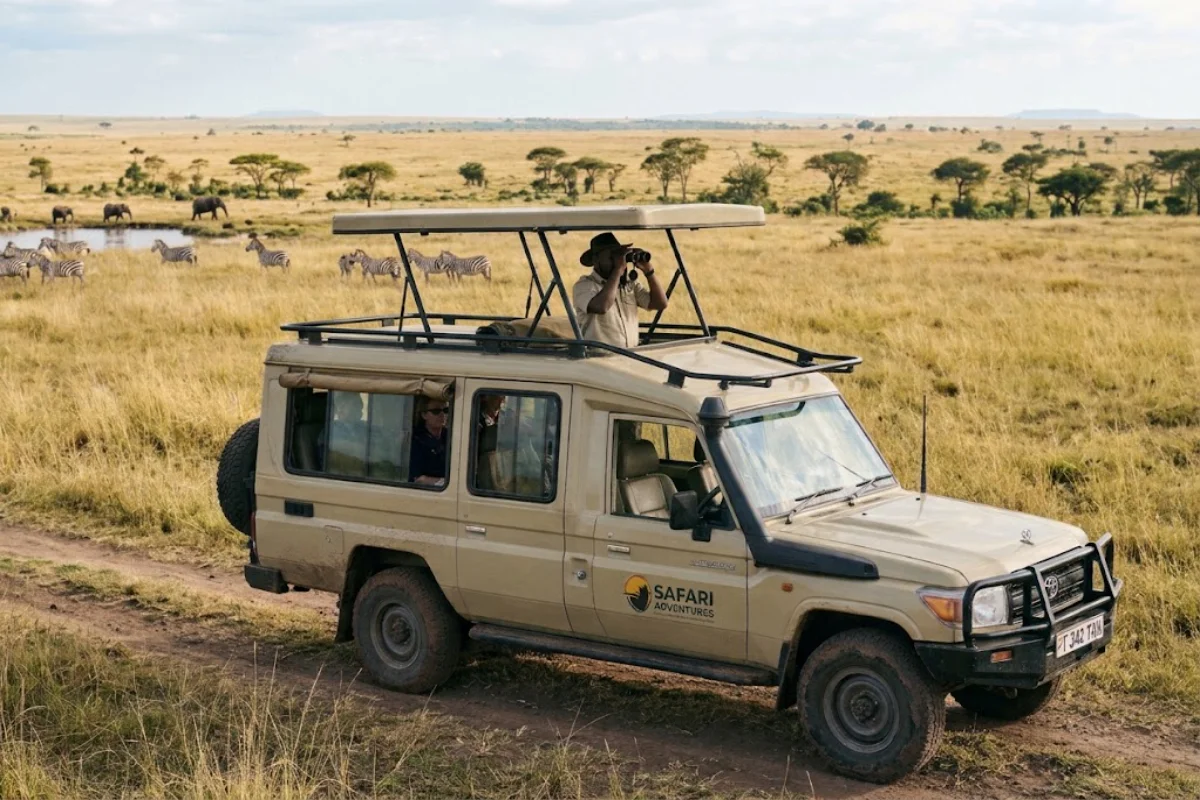
A guide's expertise is the most critical factor in a successful cheetah sighting. Guides use a combination of skills, including intimate knowledge of the terrain and an understanding of animal behaviour. They read fresh tracks (spoor), interpret alarm calls from birds or antelope, and know which termite mounds specific cheetahs prefer. This expertise is why selecting an operator with highly qualified guides is important.
Guide Techniques and Habitat Knowledge
Guides use binoculars to methodically scan the landscape, paying special attention to high ground like termite mounds and rocky outcrops that cheetahs use as lookouts. They know which plains are favoured by certain cheetah families and understand how changes in wind direction or prey behaviour can signal a predator's presence.
The Role of Radio Calls and Guide Networks
Communication between safari guides is a key tool for locating wildlife. Guides use two-way radios to share information about significant sightings in a responsible manner. In private conservancies, radio use is regulated to prevent too many vehicles from congregating at one sighting. This collaborative system increases your chances of seeing a cheetah while ensuring the experience is respectful to the animals.
How Urban Growth Affect Nairobi's Cheetahs
The edge of Nairobi National Park is a frontline for conservation. Cheetahs navigate a landscape of expanding housing estates, which creates complex human-wildlife conflict. Livestock predation can lead to retaliatory killings. In response, conservation groups are establishing wildlife corridors, funding land-lease programs to keep land open, and deploying community scouts to monitor cheetah movements. A cheetah sighting in the park provides a direct look at modern conservation challenges in Kenya.
The Dubbo Cubs and Wild Cheetah Conservation
The birth of cheetah cubs at Taronga Western Plains Zoo in July connects directly to the survival of their wild cousins in Kenya. Zoos in Australia participate in global species management programmes for cheetahs. These programmes maintain genetic diversity, serve as an insurance population, and raise funds and awareness for conservation projects in Africa.
Taronga Western Plains Zoo's Contribution
Taronga's participation in the cheetah breeding programme helps ensure a healthy and genetically viable population exists outside of Africa. This population is a safeguard against potential catastrophes in the wild. The connection Australian families feel when seeing the Dubbo cubs inspires support for organisations working in Kenya to protect wild cheetahs and their habitats.
Key Cheetah Conservation Initiatives in Kenya
Funds and awareness generated by zoos support fieldwork in Kenya. Organisations like the Cheetah Conservation Fund and the Mara-Meru Cheetah Project conduct population censuses and fit cheetahs with GPS collars to track movements. They also work with local communities to reduce human-wildlife conflict and restore habitat corridors. Estimates suggest around 1,200 cheetahs remain in Kenya, making this work critical for the species' future.
How to Identify Cheetahs and Distinguish them from Leopards
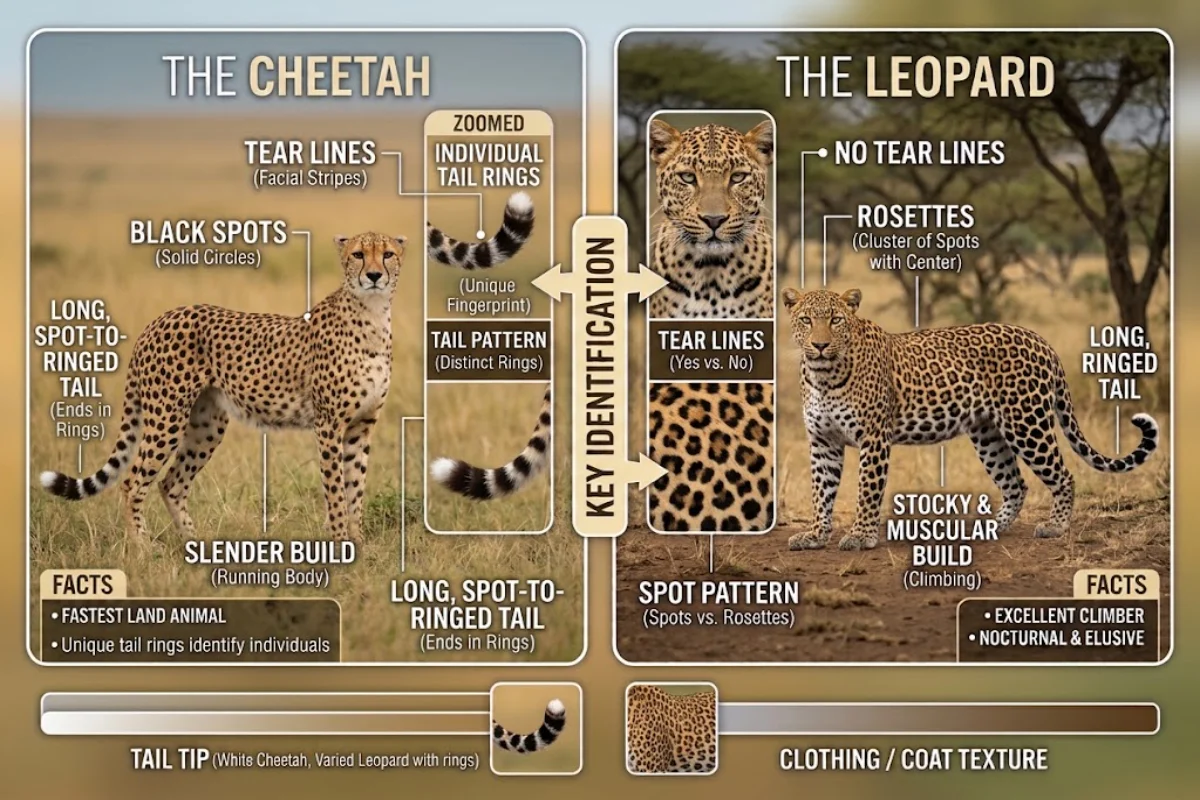
Knowing how to distinguish a cheetah from a leopard will enhance a game drive experience. While both are spotted cats, they are distinct in appearance, build, and behaviour. The differences are easy to identify once you know what to look for.
Spot Patterns and Body Shape
A cheetah's most definitive feature is the long, black "tear mark" running from the corner of its eye to its mouth. Its coat has solid black spots. A leopard has no tear marks, and its coat features more complex patterns called rosettes, which are small clusters of spots.
A cheetah has a lean, long-legged build designed for speed, with a small head and a deep chest. Leopards are much stockier, more powerfully built cats with larger heads, designed for climbing and strength.
Behavioural Differences
Cheetahs are active during the day (diurnal) and hunt on open plains. You will almost never see a cheetah in a tree. Leopards are primarily nocturnal, elusive, and rely on stealth. Leopards are powerful climbers and often haul their kills into trees to keep them safe from other predators.
| Top Cheetah Location | Best Season | Key Feature |
|---|---|---|
| Masai Mara National Reserve | June - October | Highest cheetah population density. |
| Nairobi National Park | Year-round | Proximity to the city; unique skyline backdrop. |
| Samburu National Reserve | June - October & Dec - March | Arid landscape with unique northern prey species. |
| Tsavo East National Park | June - October & Jan - Feb | Vast, uncrowded plains; 'red earth' landscape. |
How to Plan an Australian Family Cheetah Safari
A safari focused on seeing cheetahs can be a rewarding family holiday. Planning is necessary to ensure the trip is exciting and comfortable for all ages. Selecting the right locations and family-friendly lodges is the first step.
Choosing the Right Operator and Itinerary
When organising a family safari, look for an operator with experienced guides who are good with children. A private vehicle offers the most flexibility for your family's pace. A suitable itinerary might combine the high-probability sightings in the Masai Mara with a lodge that offers educational activities for children, such as guided bush walks or community visits.
Ethical Wildlife Viewing Guidelines
Teaching children about responsible tourism is a valuable part of a safari. Always follow the guide's instructions, which include keeping voices down and remaining seated in the vehicle. Never pressure a guide to get closer to an animal than is appropriate. Adhering to these rules ensures wildlife is not disturbed and the experience remains safe.
Arranging a Kenya Cheetah Safari
Seeing a wild cheetah in Kenya is an unforgettable experience. Planning a safari to maximise these encounters requires specialist knowledge of the parks, seasons, and best guides. For peak season travel, especially during Australian school holidays from June to October, it is important to book well in advance. A safari specialist can help design a tailor-made itinerary that puts you in the right place at the right time for a cheetah sighting.