The best time for Mount Kilimanjaro photography in Amboseli National Park is between 06:00 AM and 07:30 AM, and briefly again at sunset. This specific time frame provides the clearest views of Kilimanjaro's peaks before clouds form. This window allows photographers to frame iconic wildlife shots, particularly with elephants, against the mountain backdrop.
Observation Hill is an excellent vantage point for these photographs. The early morning opportunity exists because the equatorial sun has not yet evaporated ground moisture, which causes heavy cloud cover later in the morning.
Why Early Morning is the Best Time for Mount Kilimanjaro photography and Views
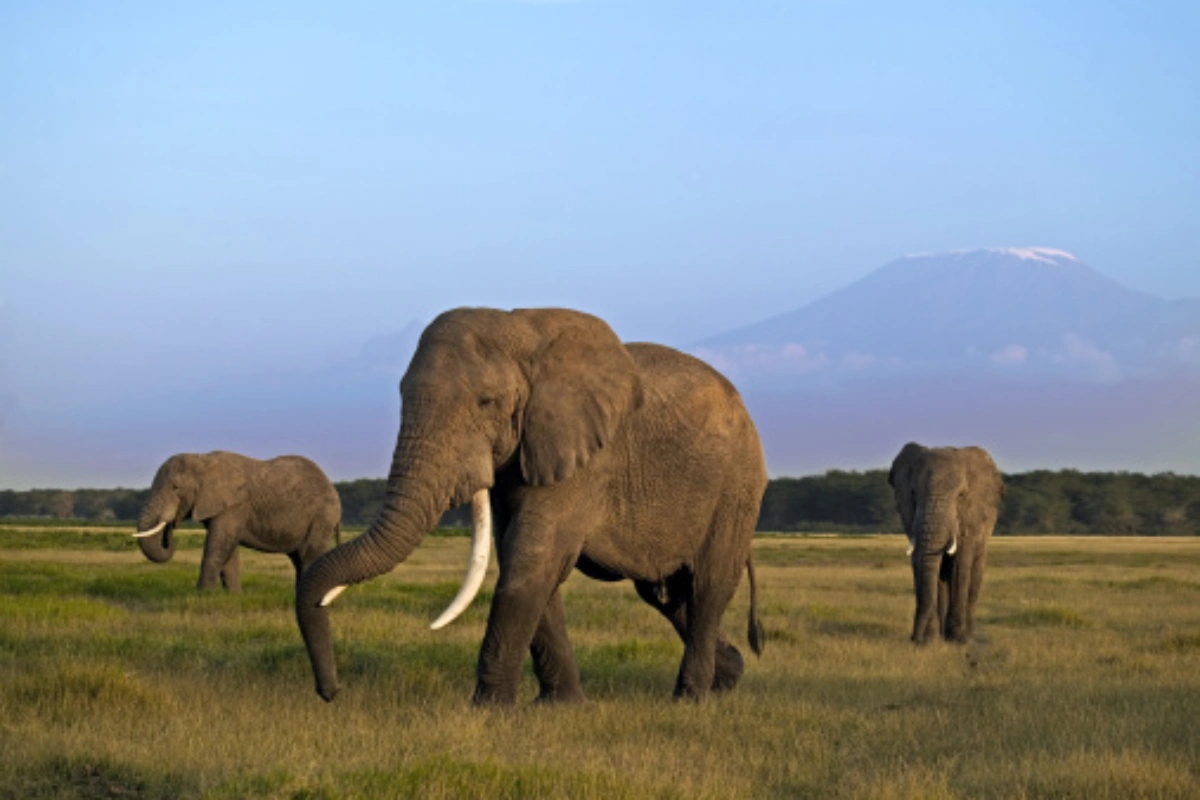
The clarity of Mount Kilimanjaro in the early morning is a result of predictable atmospheric science. The rising equatorial sun heats the Amboseli plains, causing moisture from the ground and swampland to evaporate into the cooler upper atmosphere. This process directly impacts visibility.
By approximately 9:00 AM, this rising water vapour condenses into thick clouds that regularly obscure the mountain's peaks. This daily weather cycle makes the brief window just after sunrise, from 06:00 AM to 07:30 AM, the most reliable period for clear photography. Organising game drives to fit this schedule is a required step for capturing clear photographs of the mountain.
How to Achieve Clear Kilimanjaro Photographs from Amboseli
Communicate Your Photographic Goals to Your Guide
Achieving clear shots of Mount Kilimanjaro requires active collaboration with your safari guide. Before each game drive, state that your primary objective is to frame wildlife against the mountain. This communication helps your guide prioritise routes with unobstructed sightlines.
Plan for Vehicle Positioning and Light
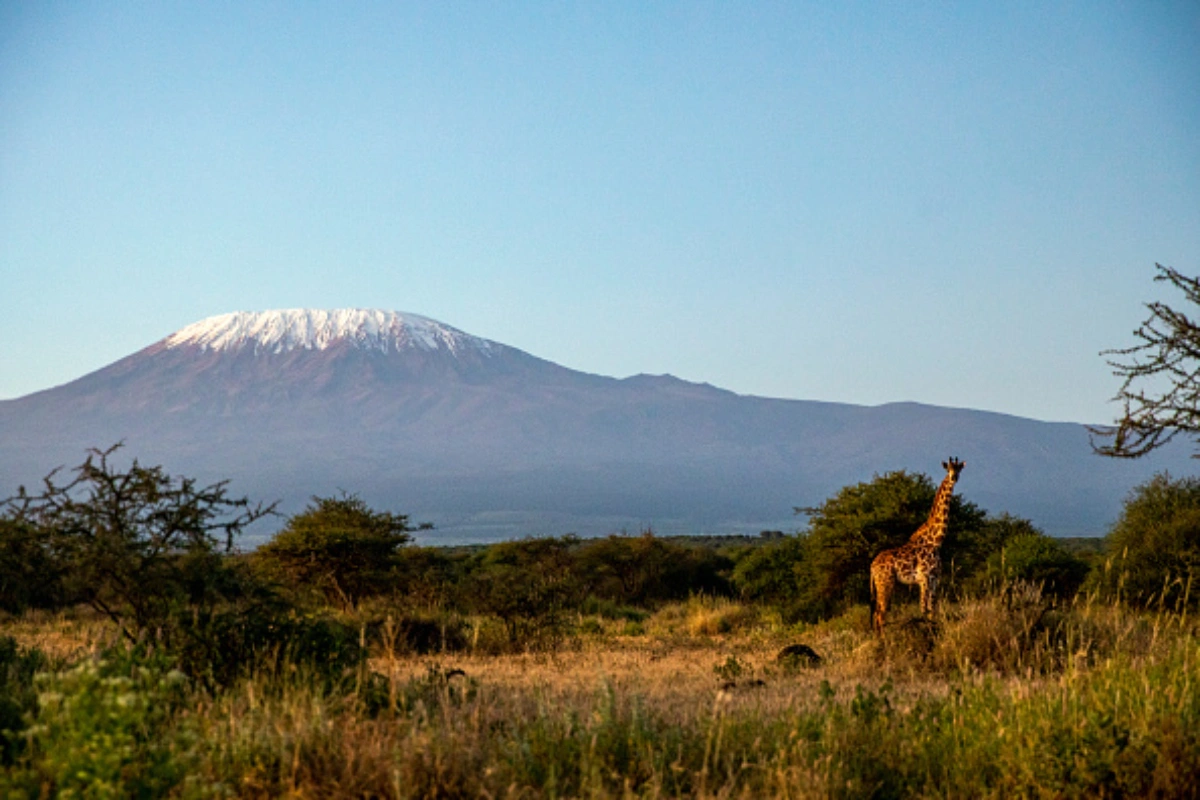
Your guide can position the 4x4 cruiser strategically for the best light. Ask your guide to angle the vehicle to achieve side-lighting on an animal. Side-lighting creates texture and definition, helping the subject stand out against the bright mountain face.
Use Compositional Layers for Depth
Compositional layers add depth and scale to your photographs. Ask your guide to stop where you can use a foreground element, such as an acacia tree, to frame the shot. This technique leads the viewer's eye from the wildlife in the mid-ground to the mountain peak in the background.
Best Viewpoints for Kilimanjaro Photography in Amboseli
Observation Hill
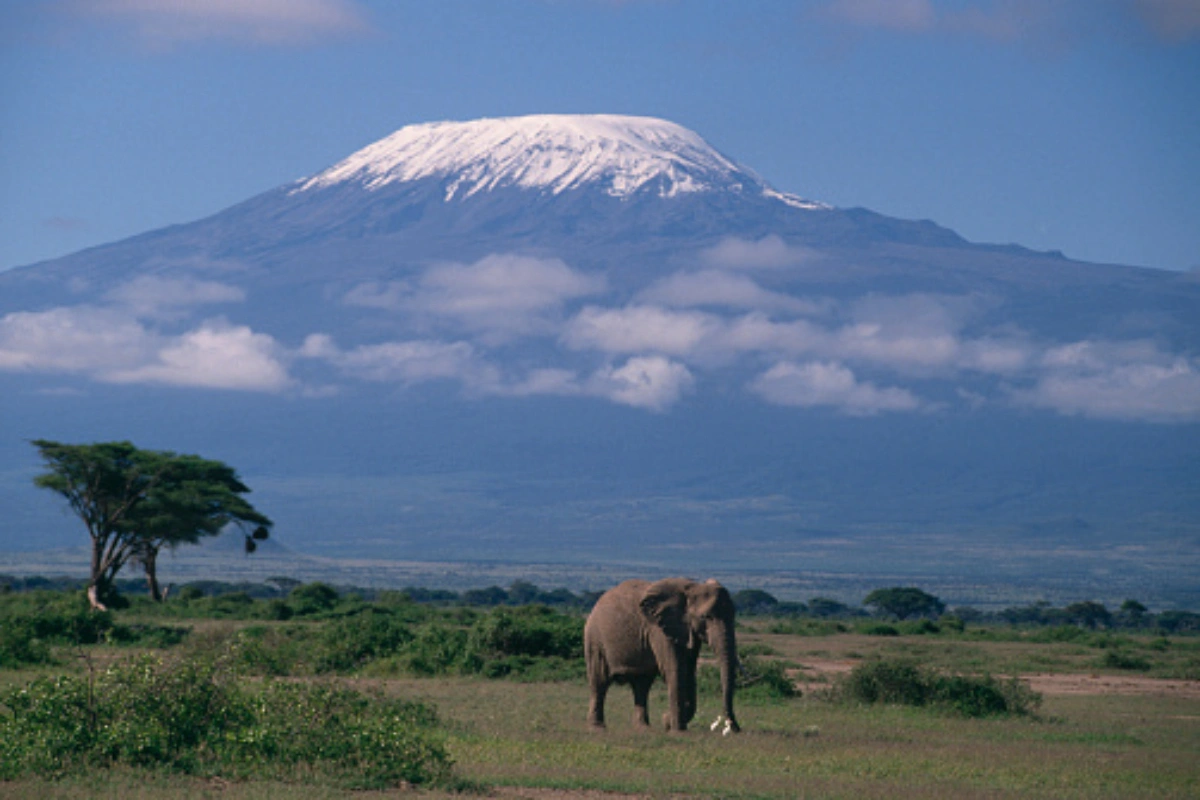
Observation Hill is the most strategic and elevated viewpoint for photographing Mount Kilimanjaro in Amboseli. This hill provides a wide perspective over the park's swamps and plains. The elevation allows photographers to compose shots with wildlife positioned below and the full scale of the mountain behind them.
Enkongo Narok and Olokenya Swamps
The areas around the Enkongo Narok and Olokenya swamps also offer excellent photography opportunities. These wetlands attract large herds of elephants, zebra, and wildebeest, especially during the dry season. A position along the swamp edges in the early morning can capture animals with the mountain reflected in the water.
Best Light Conditions for Amboseli Photography
Morning Golden Hour (06:00 AM to 07:00 AM)
The morning golden hour provides soft, warm, and diffused light for safari photography. This lighting condition reduces harsh shadows and enhances the colours of the savannah and its wildlife. This hour is the best time to photograph Kilimanjaro before clouds obstruct the view.
Evening Golden Hour (before sunset)
The evening golden hour offers a different quality of warm, orange light. Mount Kilimanjaro is often clouded at this time but can reappear briefly. This light is effective for creating silhouettes of wildlife against the sky.
Backlighting is a useful technique during this period. Positioning the sun behind your subject can create a rim light around an animal's profile or highlight dust from a moving herd. This effect works even if the mountain is not fully visible.
Wildlife to Photograph with Kilimanjaro in Amboseli
Elephants
Amboseli's large herds of free-ranging elephants are the primary subject to frame against Mount Kilimanjaro. The size of the elephants provides a sense of scale against the mountain. The park's healthy elephant population allows for predictable sightings and reliable photographic opportunities.
Other Large Mammals
Other large mammals also create strong compositions with the mountain as a backdrop. Herds of zebra or wildebeest add a sense of movement and scale to a photograph. Giraffes can also be framed against the mountain for a composition showing the height of the animal and the peak.
A successful composition requires the wildlife to be clearly defined, with the mountain serving as a clean background element. This approach ensures both subjects are given appropriate focus in the final image.
Recommended Camera Settings for Kilimanjaro Photography
- Aperture (f-stop): Use a mid-range aperture such as f/8 or f/11. This setting creates a large depth of field, which keeps both the foreground wildlife and the distant mountain in sharp focus. A wider aperture like f/2.8 would blur the mountain background.
- Shutter Speed: Use a minimum shutter speed of 1/500s to freeze the motion of a walking animal. A shutter speed of 1/250s may be sufficient for a stationary subject, but anything slower risks motion blur. Using the camera's burst mode increases the chance of a perfectly sharp image.
- ISO: Start with an ISO of 400 and increase it as required for low light. A higher ISO, such as 800-1600, allows you to maintain a fast shutter speed. Modern cameras handle the resulting digital noise well.
- White Balance: Avoid Auto White Balance (AWB), which can neutralise warm light. Set the white balance to 'Cloudy' or 'Shade' to enhance the golden hues of sunrise and sunset and capture the authentic atmosphere.
- Metering Mode: Use Centre-Weighted or Spot Metering to measure light from your main subject, such as an elephant. This mode prevents the wildlife from becoming an underexposed silhouette against the bright sky and mountain.
Seasons and Kilimanjaro Visibility in Amboseli
Long Dry Season (June to October)
The long dry season from June to October offers the highest probability of clear views of Mount Kilimanjaro. Lower humidity during these months reduces atmospheric haze, resulting in clear skies at dawn. This season provides the most reliable conditions for photography, though the environment is more arid and dusty.
Wet Seasons (March-May and November-December)
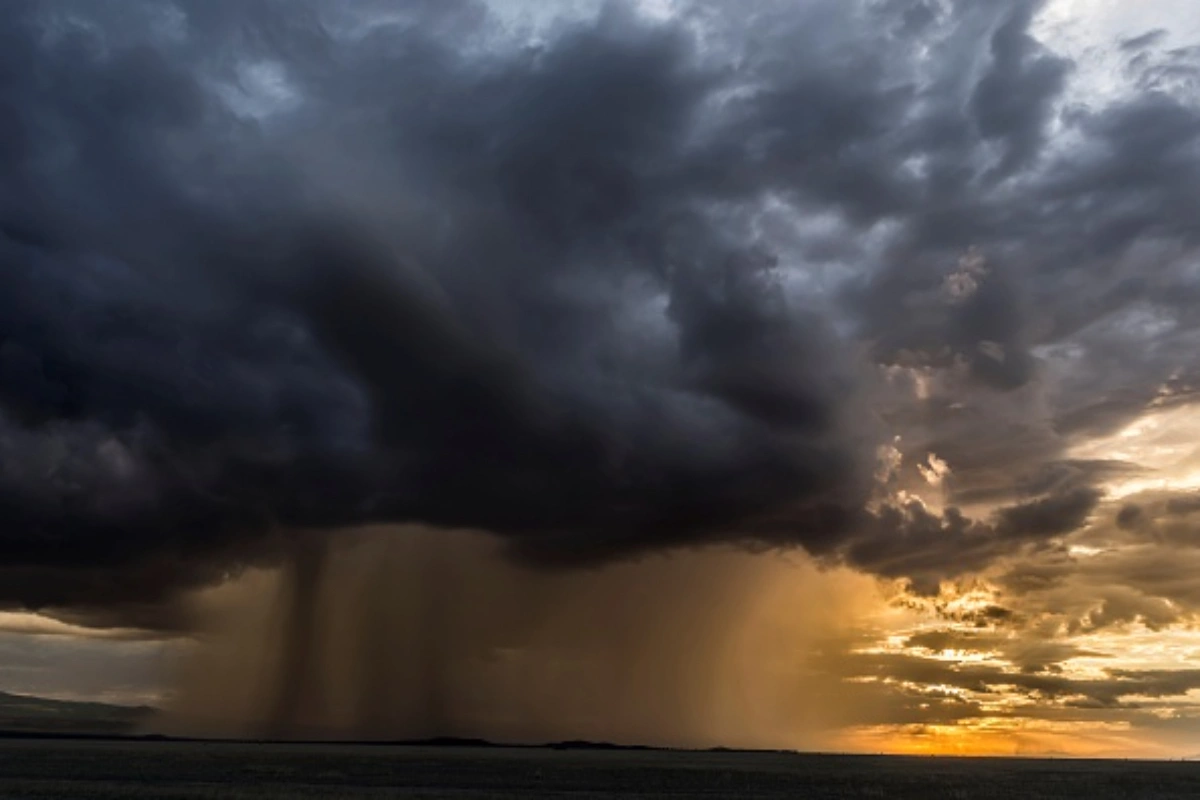
The wet seasons present a higher risk of cloud cover obscuring the mountain. The air is clearer of dust and the vegetation is green, which can create high-quality photographs if the clouds part. These seasons typically have fewer tourists and lower accommodation rates.
Choosing a travel season involves a trade-off. The dry season provides reliability for mountain views, whereas the wet seasons offer different environmental conditions and potential cost savings. Your primary photographic goal should determine this choice.
Key Timings and Locations for Kilimanjaro Photography
| Factor | Recommendation | Reason |
|---|---|---|
| Best Time of Day | 06:00 AM - 07:30 AM | Clearest skies before cloud formation. |
| Primary Viewpoint | Observation Hill | Elevated, panoramic view over plains. |
| Best Season | June - October | Low humidity and minimal atmospheric haze. |
| Key Wildlife Subject | Elephants | Provides scale and iconic composition. |
How to Plan a Photography-Focused Amboseli Safari
Planning a safari focused on photography requires clear communication with your safari operator. When booking, state that your primary goal is photographing Mount Kilimanjaro at sunrise. This information helps the operator select a suitable camp or lodge and assign a guide experienced with photographers' needs.
Confirm that the operator can guarantee departures that place you inside the park before 06:00 AM. A knowledgeable local guide who understands light, angles, and animal behaviour will reposition the vehicle for better composition. This active support from a guide is necessary for turning a wildlife sighting into a well-composed photograph.
Camera Gear for Kilimanjaro Photography
- Lenses: A telephoto zoom lens (e.g., 100-400mm or 200-500mm) is required for distant wildlife. A wide-angle lens (e.g., 24-70mm) is also useful for capturing the scale of the environment with Kilimanjaro in the frame.
- Camera Body: A DSLR or mirrorless camera that performs well at higher ISO settings is recommended for the low-light conditions of sunrise and sunset.
- Support: A beanbag provides a stable platform for resting a lens on a safari vehicle's window frame or roof. A traditional tripod is often impractical in a vehicle.
- Batteries and Memory Cards: Pack at least two spare batteries and sufficient memory card capacity. High-resolution images and burst shooting consume storage and power quickly.
- Protection: Amboseli is a dusty environment. A dust blower, lens cloths, and a dust-proof camera bag are necessary to protect camera equipment between game drives.