Yes, Australians can safely transit through Dubai and Doha for Kenya safari. On 8 October 2026, Smartraveller lowered its advice for the UAE and Qatar to Level 2: 'Exercise a high degree of caution'. The updated DFAT advice signals a return to standard travel conditions after a period of higher warnings, with some caveats.
Australian travellers finalising a safari must understand the nuances of the Level 2 advice. The details affect your flights, your travel insurance policy, and the specific timings of your safari itinerary.
Current Smartraveller Advice for Dubai and Doha
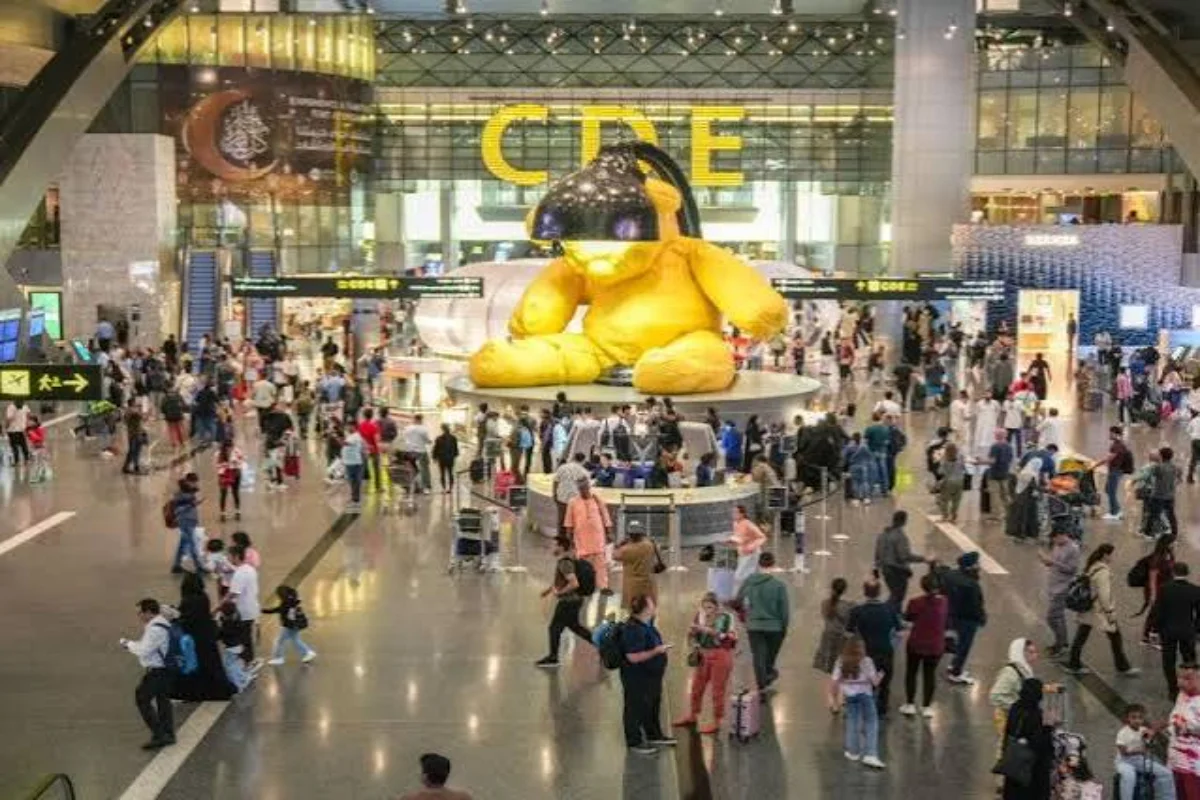
As of October 2026, both the United Arab Emirates (UAE) and Qatar hold a Level 2 travel advice rating. The Australian Government applies this same advice level to many popular destinations in Europe and Asia. In practical terms, the government considers transit safe, provided you remain aware of your surroundings and stay informed about the regional security situation.
| Transit Hub | Current Smartraveller Level | Date Changed | Implication for Transit |
|---|---|---|---|
| Dubai (UAE) | Level 2: Exercise a high degree of caution | 8 October 2026 | Transit is permitted. Australians should monitor media for security risks and follow local advice. |
| Doha (Qatar) | Level 2: Exercise a high degree of caution | 8 October 2026 | Transit is permitted. Australians should maintain a high level of security awareness and follow official instructions. |
Smartraveller Advice for the UAE and Qatar Change in 2026
The current Level 2 advice is a de-escalation from earlier in 2026. Regional instability prompted DFAT to briefly elevate both the UAE and Qatar to Level 4, 'Do not travel', before lowering the advice to Level 3, 'Reconsider your need to travel', on 17 June 2026. Understanding these levels is important because they directly affect travel insurance and airline policies.
The DFAT advice levels for transit passengers have specific meanings.
- Level 4: 'Do not travel' means do not transit. Airlines may cancel routes, and travel insurance policies are typically void for claims related to the warning.
- Level 3: 'Reconsider your need to travel' means reconsider your need to transit. Flights may operate, but Smartraveller warns that your travel insurance may not provide cover. You must check with your insurer before travelling.
The return to Level 2 on 8 October 2026 removed the primary insurance and logistical barriers for Australian travellers connecting to Nairobi. This change makes the Gulf hubs a viable routing to Kenya again.
What Risks Does Smartraveller Identify for Dubai and Doha?
The Smartraveller Level 2 advice maintains specific warnings about the region's geopolitical climate. The 'Exercise a high degree of caution' advice applies to your entire time in the country, including airport transit. The main risks concern large-scale flight disruptions, not airport crime.
- Regional Airspace Instability: The security situation in the broader Middle East can change rapidly. This risk includes airspace being restricted or closed at short notice, which could cause significant flight delays, re-routing, or cancellations.
- Potential for Military Activity: The advice acknowledges the possibility of military action or heightened political tensions in the wider region. Such events can have a severe impact on commercial aviation operations.
- High Vigilance Required: Smartraveller advises Australians to maintain a high degree of security awareness in public places, including airports. Travellers should monitor media for new threats and be prepared to follow the advice of local authorities.
Australian travellers should confirm their flight's status with the airline before leaving for the airport in Australia. You should also confirm your connecting flight from the Gulf to Nairobi before boarding.
How Smartraveller Advice Affect Your Travel Insurance

Your Australian travel insurance policy coverage is directly linked to the official Smartraveller advice level. Insurance companies use DFAT's advice to assess risk and determine if your policy is valid for a destination.
A Level 2 advice for Dubai or Doha means your policy should cover you for transit. At Level 3 or 4, your insurer may decline any claim related to the government's warning, such as flight cancellations due to regional conflict. Travelling against Level 3 or 4 advice can void your insurance policy.
You must read your Product Disclosure Statement (PDS) for exclusions related to "war", "civil unrest", or travelling against government advice. If you are uncertain about your cover, call your insurer and request confirmation in writing.
Are There Specific Health Transit Rules for the UAE?
The Smartraveller advice for the UAE includes a specific health-related transit rule. UAE authorities may restrict entry or transit for travellers who have recently been in countries affected by Ebola. The rule requires travellers to have been outside these specific countries for more than 21 days.
The designation of Kenya as an 'Ebola-affected country' can change based on regional health advice. You must verify the current status of this regulation directly with your airline before travelling, especially for your return journey from Nairobi through Dubai.
How Flight Cancellations Affect a Kenya Safari Itinerary

A 24-hour flight delay to Kenya can dismantle the first parts of your safari itinerary. Most Kenya fly-in safaris depend on small bush flights from Nairobi's Wilson Airport to remote airstrips. These flights depart in the morning, typically between 7:30 am and 10:00 am. A 24-hour delay means you will miss your scheduled bush flight.
Missing your internal safari connection creates several logistical problems.
- Missed bush flight: Re-booking on the next day's flight is not guaranteed, especially during high season.
- Lost accommodation: You lose the first night or more of your pre-paid safari, as remote lodges are often fully booked and non-refundable.
- Itinerary re-organisation: Your safari operator will attempt to re-book lodge nights and flights, but availability can be a major issue.
The most effective way to mitigate this risk is to build a buffer night in Nairobi into your arrival itinerary. A 24-hour cushion absorbs most international flight delays, protecting the safari schedule and offering an opportunity for an excursion to Nairobi National Park.
Other Ways to Reach Nairobi from Australia
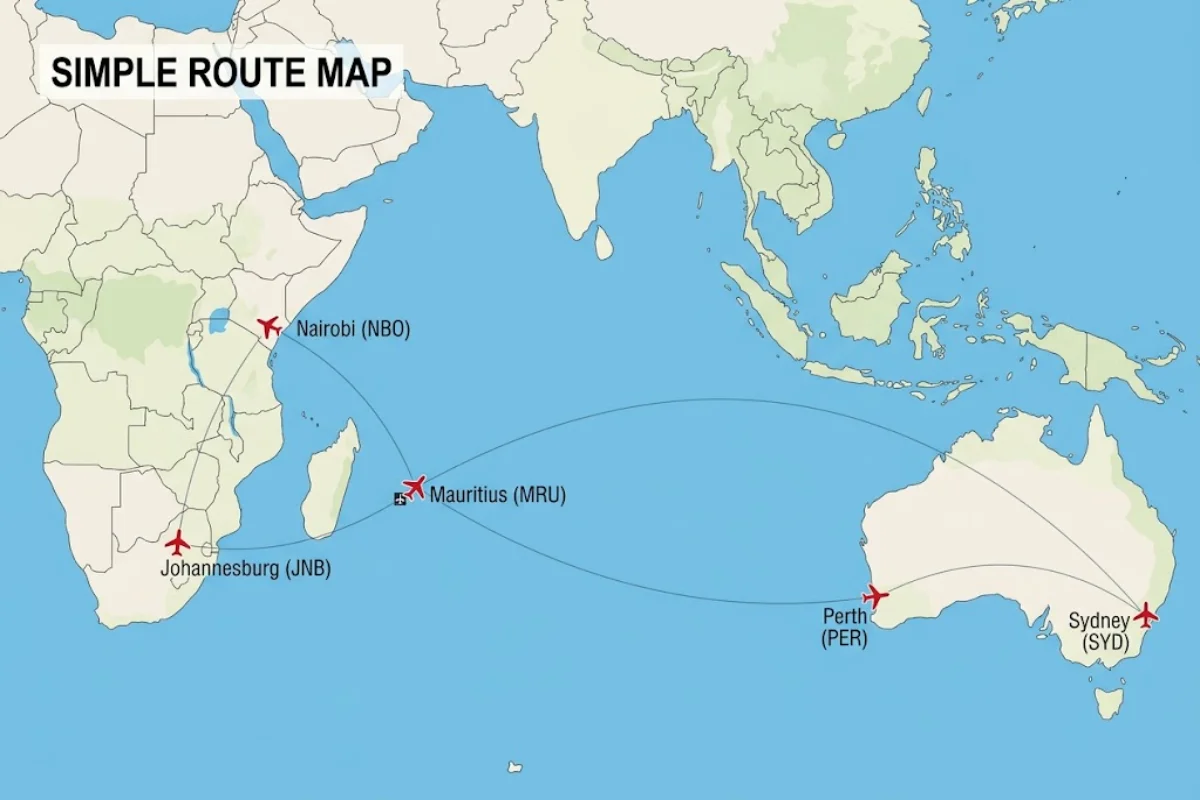
Several reliable alternative routes from Australia to Kenya's capital Nairobi exist if you prefer to avoid Gulf hubs or if Smartraveller advice changes. Each option has different trade-offs in total travel time, cost, and convenience.
Via Johannesburg (JNB)
Flying via Johannesburg is a popular routing from Sydney or Melbourne. Qantas operates direct flights to Johannesburg from Sydney and seasonally from Perth. From Johannesburg, a connecting flight of around four hours on carriers like Kenya Airways takes you to Nairobi. This route is reliable, but total travel time can be longer than via the Gulf.
Via Mauritius (MRU)
Flying via Mauritius is an excellent option for travellers from Western Australia. Air Mauritius flies direct from Perth to Mauritius with a direct connection to Nairobi destinations. This route can be faster for Perth departures and allows for an Indian Ocean stopover. The frequency of flights on this route may be lower, which requires more careful planning around your safari dates.
Frequently Asked Questions about Transit in Dubai and Doha
Is Dubai airport safe for transit?
Yes, security inside Dubai (DXB) and Doha (DOH) airports is high. The Smartraveller Level 2 advice relates to wider regional instability that could affect flights, not crime within the airport terminals.
Do I need a visa to transit Dubai or Doha?
Australian passport holders do not need a visa to transit through Dubai or Doha if you stay in the international transit area of the airport. You must check the latest visa requirements with the respective embassies or your airline if you plan to leave the airport.